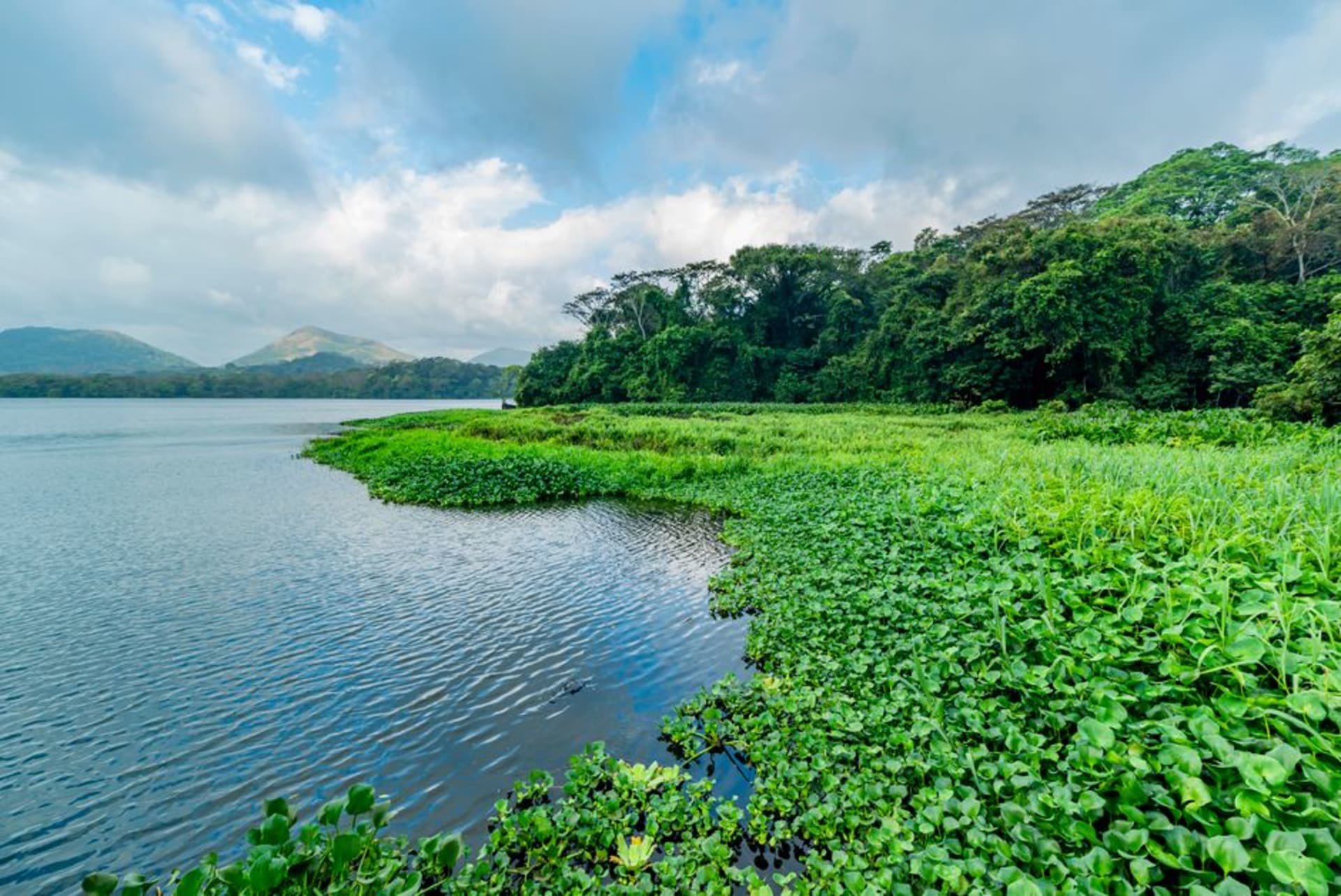
Los Tuxtlas
"Los Tuxtlas is the Mexico that most people do not know exists — jungle, volcanoes, and the Gulf, all pressed together into something extraordinary."
I arrived from Veracruz city on an ADO bus that deposited me in San Andrés Tuxtla at around noon, squinting into a humidity I hadn’t felt since Puerto Escondido. The air here carries something the rest of Veracruz doesn’t — it’s heavier, greener, almost tactile, as if the forest has already started before you’ve left the bus station. I had four days and a loose plan involving three towns, a crater lake, and one waterfall. The waterfall happened on schedule. The rest dissolved into something better and harder to explain.
A Forest That Has No Business Being Here
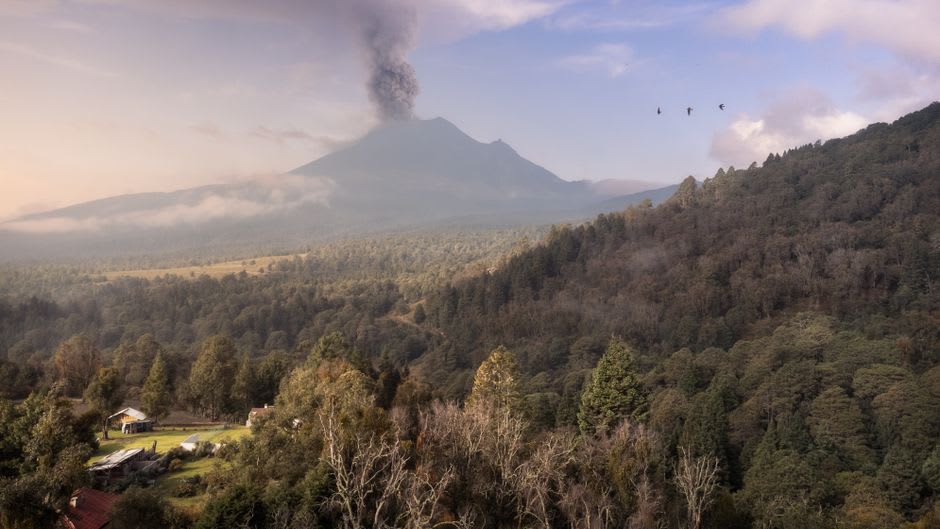
The thing geography does in Los Tuxtlas is almost unfair. You are on the Gulf coastal plain — flat, cattle-grazed, tobacco country — and then three extinct volcanoes appear and the world folds upward, and on those slopes grows the northernmost surviving fragment of lowland tropical rainforest on the continent. It should not be there. But it is, and it is extraordinary in the specific way that places are extraordinary when they have survived against the odds and know it.
The Laguna Encantada, a crater lake a few kilometers outside San Andrés, fills during the dry season and drains in the wet — the opposite of what lakes normally do. Local volcanologists and the town’s brujos each have explanations; I found both equally compelling. The Salto de Eyipantla, fifty meters of white water crashing into a river gorge through a frame of ferns and ceiba roots, requires descending 240 concrete steps and is worth every one of them. The biosphere’s bird list runs past 400 species. I identified perhaps a dozen, which felt like an honest result for someone who kept stopping to eat.
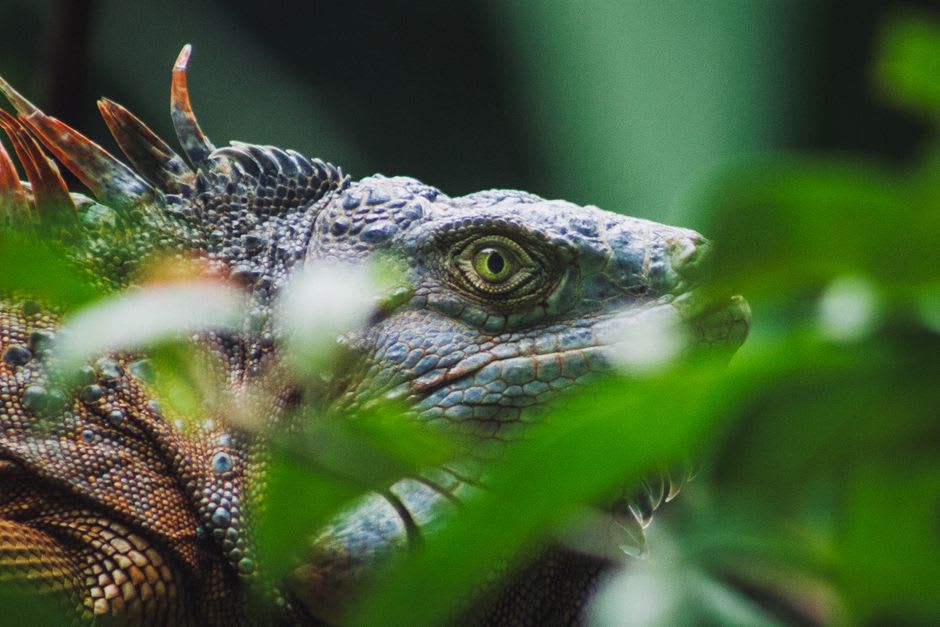
Three Towns, Three Registers
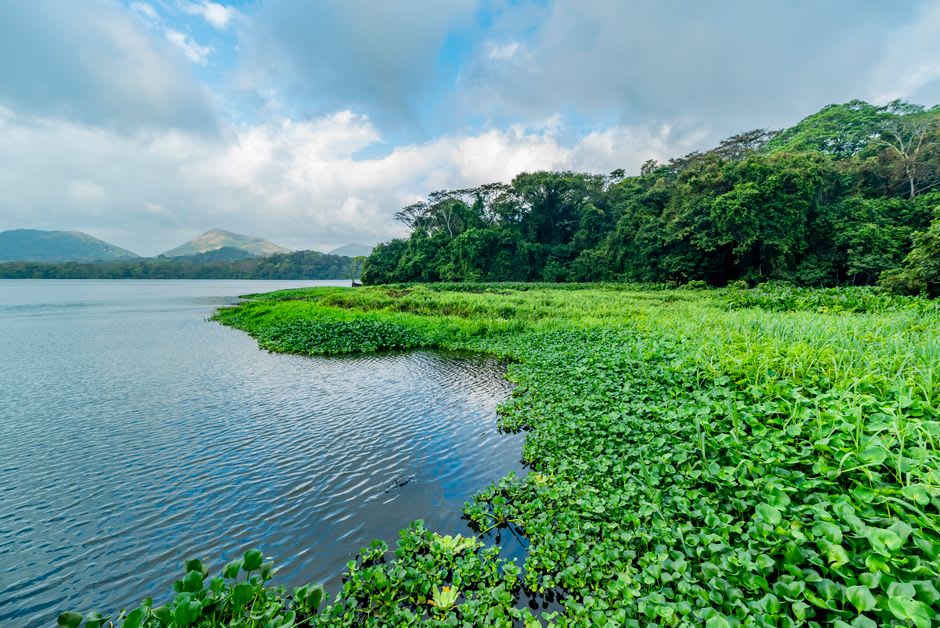
San Andrés Tuxtla is the largest and most functional — market, bus connections, cigars. The cigar factories here produce some of the finest handmade puros in Mexico; Santa Clara is the label to look for, and you can watch the rollers work in the old factory on Avenida 20 de Noviembre. Santiago Tuxtla is quieter, built around a zócalo where an Olmec colossal head sits in the center as if it has always been there, which it essentially has. Catemaco is the one with the lake — Laguna Catemaco, wide and moody, ringed by forested hills — and a long reputation for curanderismo and brujería that draws visitors from across Mexico looking for something harder to name than a waterfall.
I ate well in all three. In Catemaco: topotes, small river fish fried whole and eaten bones and all with lime and chile. In the market in San Andrés at seven in the morning: memelas de frijol, thick masa patties spread with black bean paste, the kind of breakfast that reorganizes your afternoon plans before you’ve finished the first one.
What I Would Do Differently
I split my nights between San Andrés and Catemaco, two each, which was the right call. What I would add, given another day, is more time on the water. One of the lanchas at the Catemaco waterfront will take you to the Isla de los Changos — a research colony of macaques imported decades ago that has since gone entirely feral and self-governing. Bring cash for the boatman. Bring patience for the monkeys, who have opinions about personal space.
The forest itself has trails accessible from several ejidos on the volcanic slopes; showing up without a guide means you will see very little. Ask at the CONANP office in San Andrés, or through any hotel in Catemaco — most can point you toward guides who know which trails are actually open.
Getting There
ADO runs direct buses from Veracruz city to San Andrés Tuxtla, roughly three hours. From San Andrés, colectivos and local buses connect Santiago Tuxtla and Catemaco throughout the day for a few pesos. The most straightforward route from Mexico City is via Veracruz on first-class ADO; some departures from TAPO go direct to the Tuxtlas region — check ADO’s website before committing to a connection.