Jalcomulco
"The canyon closes around the raft and the village disappears above — for an hour you could be deep in the Sierra with no way out but the current."
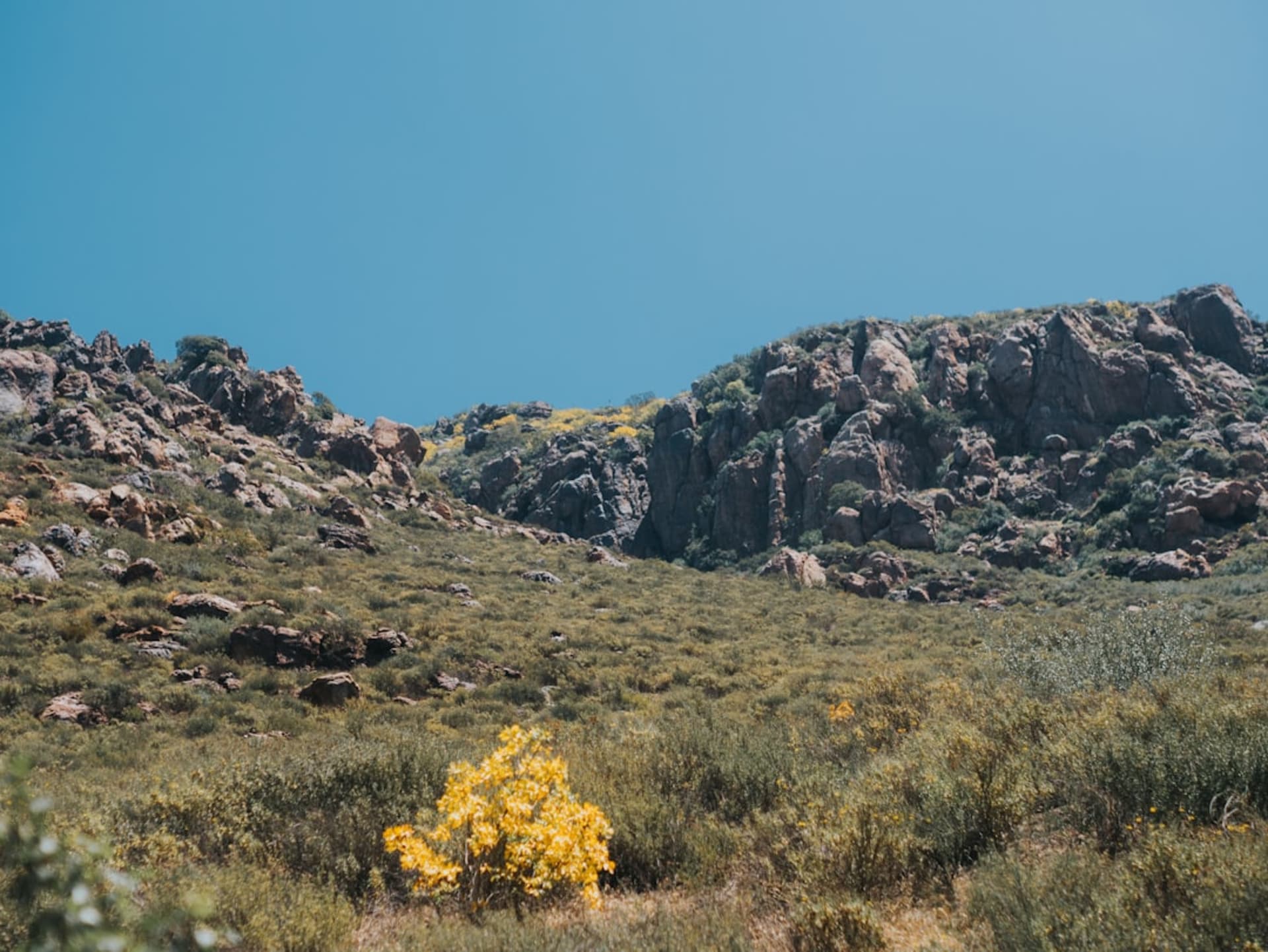
The road from Xalapa drops fast enough that your ears pop before you see the river. I arrived mid-morning in late March — the canyon walls were streaming with water from recent rains, fern growth dark green where the light didn’t reach, and Jalcomulco itself looked like it had been set down in the gorge by someone unsure it would stay. A few hundred people, a church with a blue dome, outfitter signs in hand-painted letters. The Río Pescados was audible well before I could see it, which felt like a reasonable introduction.
On the Water
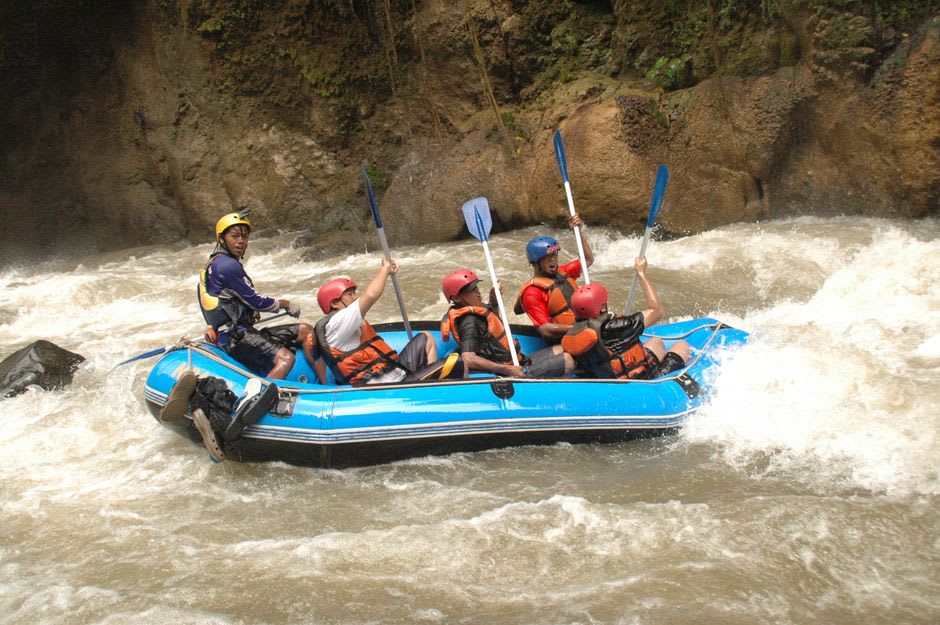
The river runs Class III to IV depending on when you go, and in late March it was running genuinely high — the put-in point had a different texture than what the guides had described from drier months, and they adjusted without ceremony. My outfitter was Aventurec, which has been operating out of Jalcomulco long enough that guides’ sons occasionally ride shotgun on slower days. The briefing was fast, the helmets were battered in the way that suggests use rather than neglect, and then the canyon walls rose on either side and the village disappeared above the rim.
What the photos don’t convey is how enclosed it gets. The Pescados has carved a corridor through the sierra that shuts out everything except sky, cliff face, and current. For stretches between the rapids it goes almost quiet — the kind of quiet where you can hear water moving over submerged rock — and then a roar comes from around the bend and the guides shift positions without saying anything, which is the only warning you get. I was soaked within fifteen minutes and didn’t particularly mind. The full run takes about two and a half hours and deposits you downstream where the canyon opens back into farmland.
The Village Between Seasons
Outside of peak rafting months — October through June, with March and April at the highest water — Jalcomulco reverts to its agricultural self almost completely. The terraces along the flat canyon floor are planted in citrus, the steeper slopes in coffee, and the rope bridges that cross the river at a few narrow points are used mainly by kids cutting the distance to school. I walked one of those bridges the morning after the river trip, over water that looked entirely different from above: placid, turquoise in patches, herons picking through the shallows.
Lunch was at a comedor near the main square — no name on the door — where a woman served chileatole and enfrijoladas with a crumbled local cheese I didn’t catch the name of. The chileatole was dense with masa and had that particular Veracruz sweetness that comes from the corn itself, not from added sugar. I ate too much and walked it off up the road toward the coffee plots, where someone’s dog decided I was heading in the wrong direction and turned me around diplomatically.
Where to Stay and When to Go
Most people camp at one of the outfitter-run sites along the riverbank, which is the right call — waking up to the current and canyon birds at first light is not something the posadas in the village can replicate. Aventurec runs one of the better-organized sites; bring a sleeping bag even in March because the canyon loses heat fast once the sun moves off the walls. If camping isn’t practical, there are a handful of simple cabins at the edge of town, though they fill quickly on weekends.
Go between November and April for reliable water levels. Late March brings the river up after winter rains while keeping the days warm enough that being soaked for two hours doesn’t ruin the afternoon.
Getting There
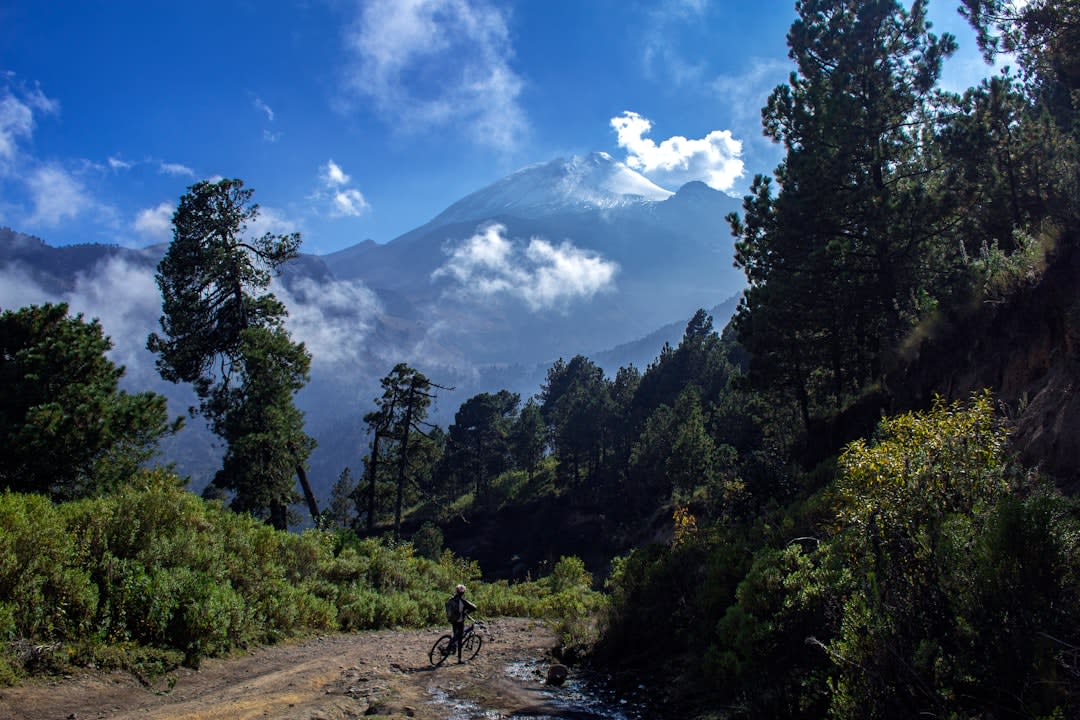
Xalapa is the nearest hub — about forty minutes by car on a road that descends through cloud forest before dropping into the canyon. Buses run from Xalapa’s CAXA terminal, but schedules are thin enough that most people rent a car or share a taxi from the city. Arrive with accommodation already arranged; the village has limited walk-in capacity on busy weekends, and the canyon road is not somewhere you want to be doubling back on in the dark.