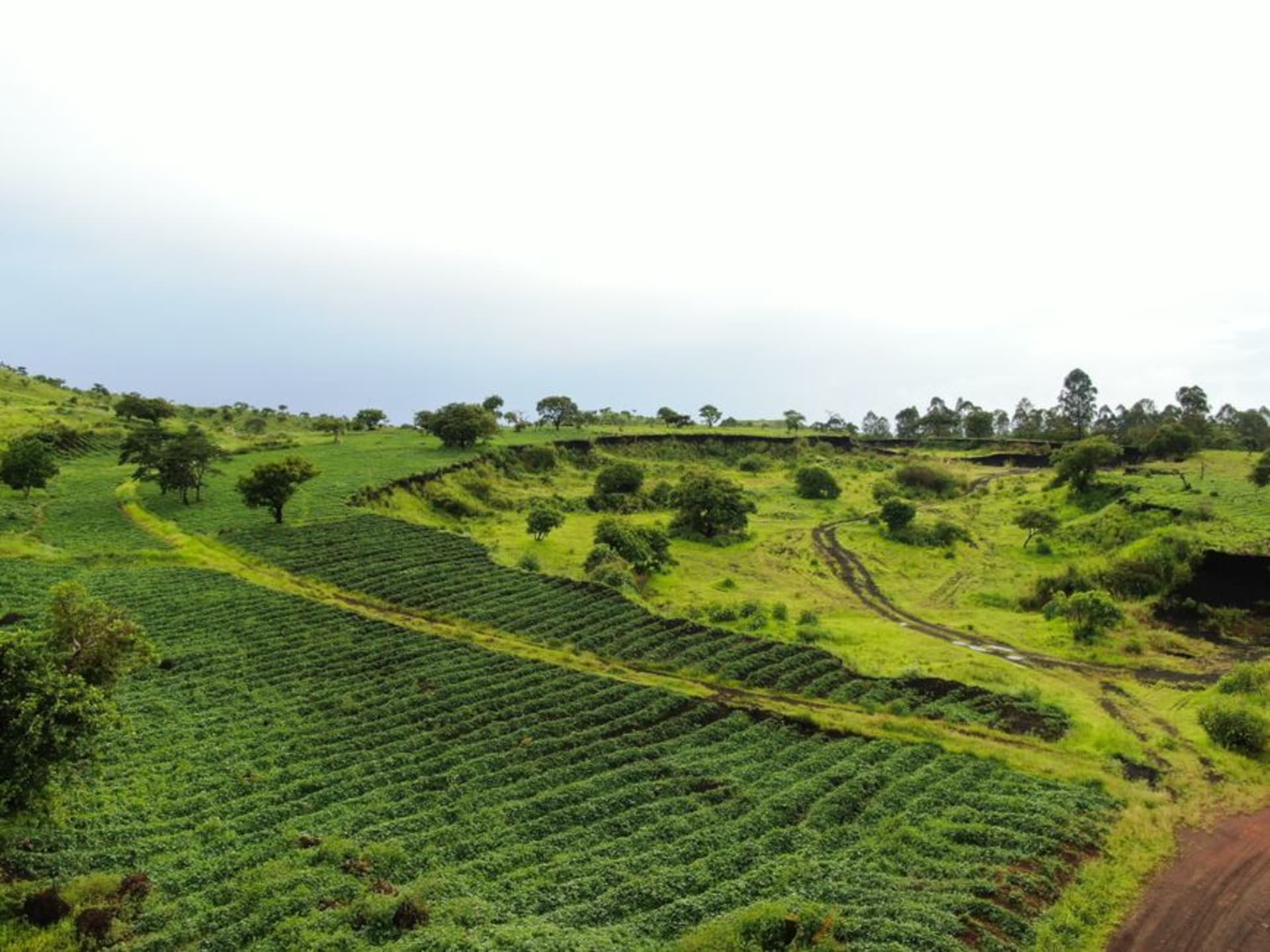
Huatusco
"Huatusco is where Mexican coffee stops being a category and becomes a specific cup with a specific hillside behind it."
I came down from Xalapa on a second-class bus that wound through fog for most of the two hours, and arrived in Huatusco mid-morning when the market stalls were still unpacking and the zócalo smelled, unmistakably, of roasting coffee. Not coffee-scented candles, not the ambient approximation you get from a chain café — actual green beans hitting a hot drum somewhere nearby. I stood there longer than was probably normal for someone who had just stepped off a bus. Coming from Puerto Escondido, where the air tastes of salt and diesel, the altitude and the coolness of it felt like a different country entirely.
Where the coffee argument actually lives
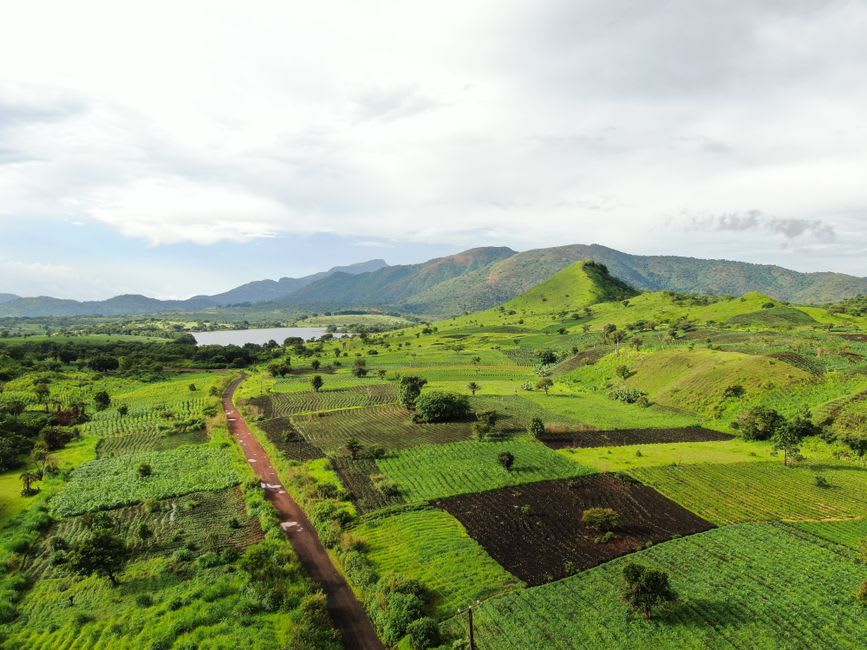
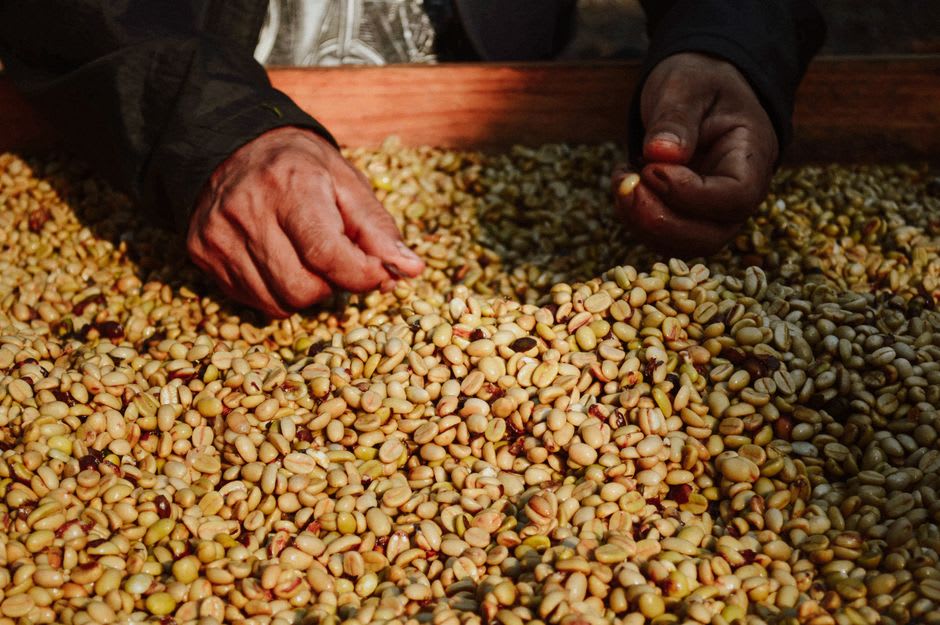
The claim is that Huatusco is the capital of Mexican coffee, which other towns in Veracruz and Oaxaca would dispute at length if you let them. The argument is beside the point. What matters is that the coffee grown on these volcanic slopes — shade-grown arabica, mostly, at altitudes that slow the cherry and concentrate the sugars — is genuinely excellent, and that the chain between farm and cup here is short enough to be almost embarrassing to describe. At Café de Altura on Calle Zaragoza, the woman behind the counter can name the farm that produced what you’re drinking. At the small roastery tucked behind the mercado municipal, they roast to order in batches that would fit in a kitchen oven. I had a washed natural that tasted of tamarind and something drier — toasted grain, maybe — and spent twenty minutes deciding whether to buy a kilo or two. I bought two. They were gone inside ten days.
The town that doesn’t perform for visitors
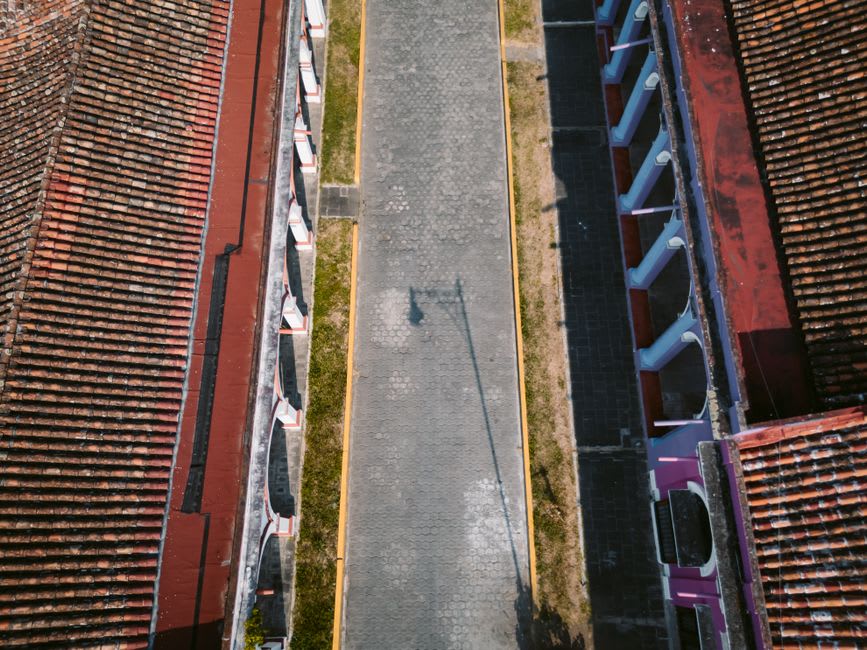
Huatusco has a 16th-century church — the Parroquia de San José — that anchors the zócalo the way colonial churches always do in Veracruz towns, which is to say it looks permanent and slightly immovable, as if the hills grew around it rather than the other way around. The daily market sells things people actually need: chiles anchos by the kilo, fresh requesón wrapped in banana leaves, bundles of hierbabuena, masa sold loose by the bag. Near the entrance there’s a woman who makes garnachas — thick corn discs fried and topped with shredded beef, salsa verde, and crumbled cheese — and she takes no particular notice of the fact that you’ve been standing there for ten minutes working up the nerve to order three. The town doesn’t register tourist presence as an event. In my experience, this is the most reliable indicator of a place worth spending real time in.
How I’d spend a full day
Start at the mercado before nine, eat the garnachas, buy a bag of coffee you don’t need but will finish inside a week. Then the zócalo for an hour, watching the town rearrange itself before noon. If you have a car or don’t mind a collectivo, the coffee fincas on the roads toward Totutla and Córdoba are worth the detour — a few offer informal visits if you arrive politely and not in a tour group. For lunch, the fondas around the market serve pozole rojo on Thursdays and arroz a la tumbada on days when someone feels ambitious. I had both on separate visits and was glad each time. Don’t rush the afternoon coffee. That would be missing the point of coming here.
Getting There
Huatusco sits roughly 90 kilometers southwest of Xalapa and about 40 from Córdoba. Second-class buses from Córdoba’s ADO terminal run frequently and take under an hour; from Xalapa, allow around two hours via Coscomatepec. The town has no real tourist infrastructure, which means you plan your own schedule and eat where the locals are already eating.