Comapa
"I asked a man where the good coffee was. He looked at me like I'd asked where the air was."
There are towns in Veracruz that make you feel like you’ve arrived somewhere, and there are towns that make you feel like you’ve simply stopped somewhere, and Comapa is firmly the second kind — which is exactly why I keep going back. I first came here on a whim, following a dirt-and-asphalt road southeast out of the Xalapa hills because the map showed a town I’d never heard of surrounded by a lot of green and nothing else, and that combination has almost never let me down.
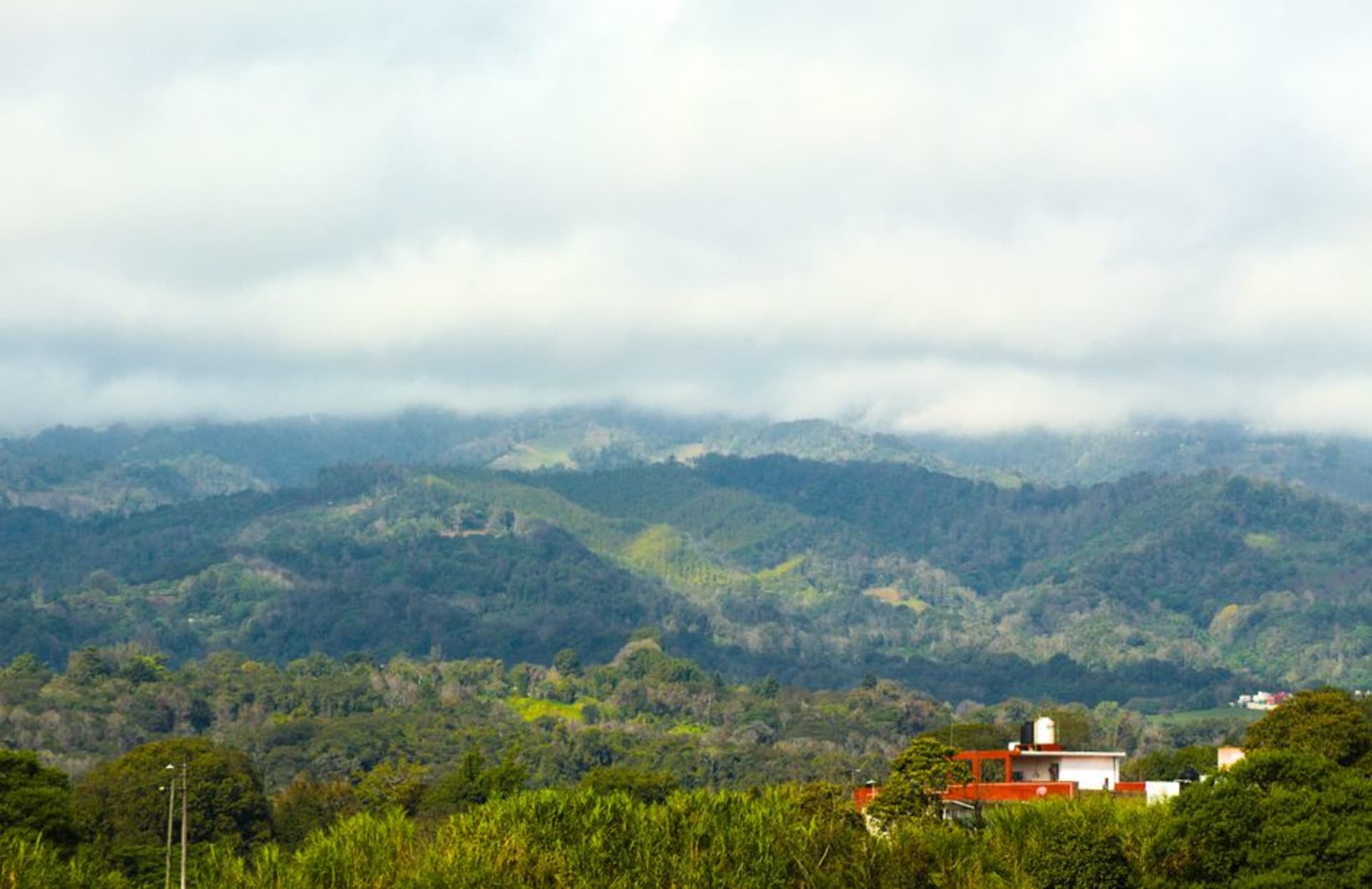
Comapa is a small coffee municipality in the hills southeast of Xalapa, deep in the folded green country of central Veracruz. The mornings here arrive wrapped in fog — genuine fog, the kind that sits in the valleys and burns off slowly and makes the coffee slopes look like a painting someone hasn’t finished. It is deeply, unapologetically rural. There is no version of Comapa that has been arranged for a visitor, because visitors, in any recognizable sense, don’t really come.
The Church on the Plaza
The heart of the town is its old parish church, which stands over the plaza with the quiet authority that these Veracruz mountain churches have — not grand, not competing with the cathedrals of the lowland cities, just solid and old and clearly the thing the town was built around.
I sat on the plaza one morning while the fog was still deciding whether to lift, and watched the ordinary rhythm of a small town assemble itself: a woman sweeping the church steps, two men unloading crates from a truck, a dog conducting important business across the square. The church bells rang at some point for reasons I couldn’t determine and no one else seemed to find remarkable. I’ve learned not to ask about the bells. In small Mexican towns the bells always mean something, and the meaning is always local, and you’re never going to fully get it, so you might as well just let them ring.
There’s a particular pleasure in a plaza that isn’t putting on a show. Comapa’s plaza exists for Comapa. I was tolerated there with mild, incurious friendliness, which is my favorite way to be received anywhere.
Coffee and Mist
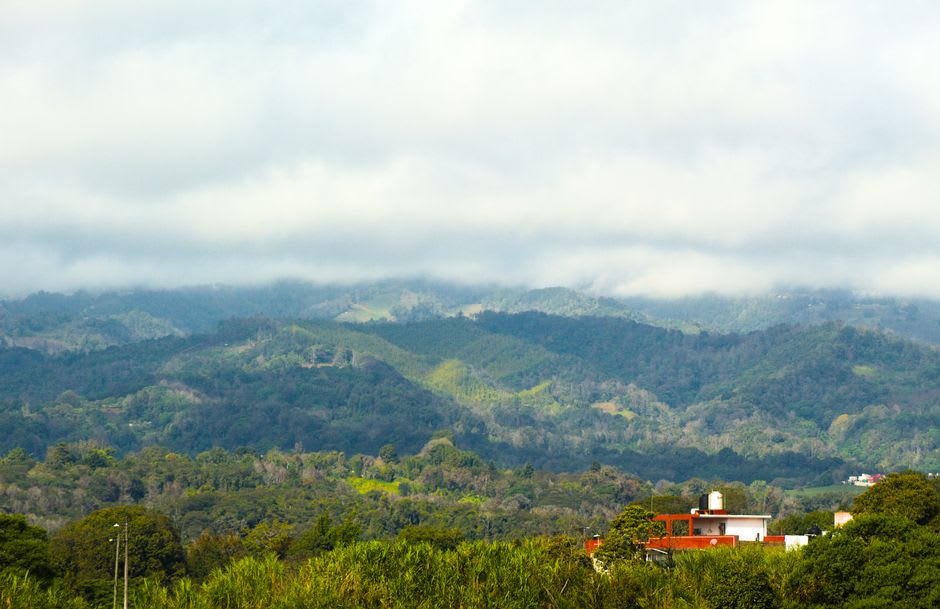
The economy here is coffee, the way it’s coffee across this whole band of the Veracruz sierra, and the misty slopes that surround the town are the reason. The fog isn’t just atmosphere — it’s climate, the cool damp mountain air that arabica wants, and the growers here have been working these hills for generations without much fuss.
I fell into conversation with a man near the edge of town who turned out to grow coffee on a plot he’d inherited from his father, who’d inherited it from his. When I asked, with the earnestness of an outsider, where a person could find good coffee in Comapa, he looked at me with something between amusement and pity, as if I’d asked where the air was. Everyone has good coffee. It’s what the place is made of. He brought me a cup from his own kitchen — dark, unfiltered, sweetened without asking — and it was, of course, excellent, and the fact that it wasn’t for sale anywhere was the entire point.
We stood on his patch of slope and looked out at the mist moving through the valley, and he told me the fog had been thinner this year, which he said the way farmers everywhere talk about the weather changing: as a fact, not a headline.
Being Overlooked
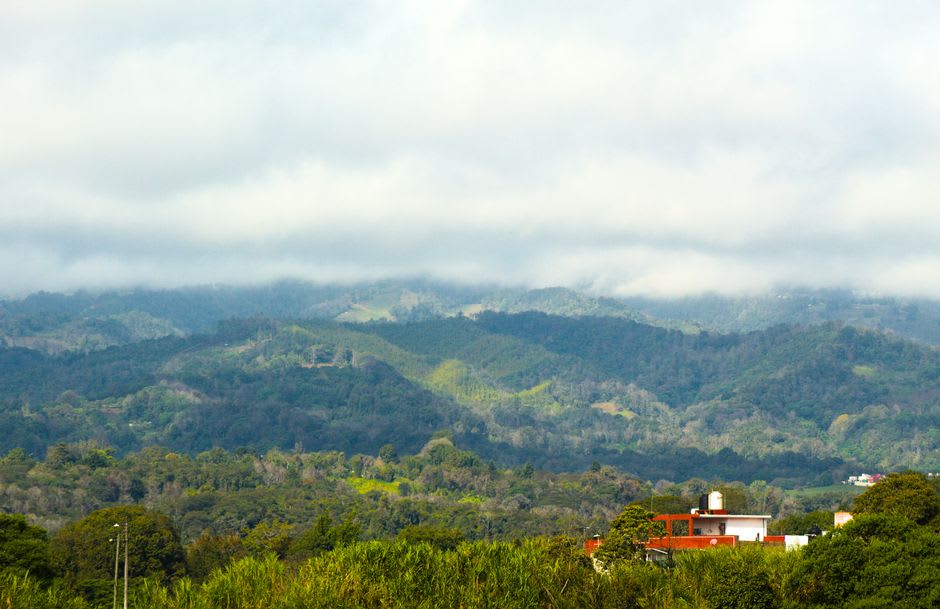
What Comapa has, more than anything, is the quality of being overlooked, and I don’t mean that as faint praise. Overlooked places keep something that the visited ones spend down fast. The streets here go about their business. The rhythm of the day is set by work and weather and the church, not by anyone’s arrival.
I spent an afternoon just walking the edges of the town, where the streets give out into coffee and the coffee gives out into deeper green, and I passed maybe a dozen people, each of whom nodded or said buenas tardes with the unhurried politeness of a place where you assume you might know everyone. A woman selling tamales from a bucket by her door sold me two, wrapped in banana leaf, and refused to be impressed that I’d come from so far to end up in Comapa of all places. Why wouldn’t you, her expression said. It’s a perfectly good town.
It is. It’s a perfectly good town, and it will not try to convince you of anything, and that is the whole quiet gift of it.
Getting There
Comapa lies southeast of Xalapa in the hills of central Veracruz, and reaching it means driving — the roads are rural, winding, and slow, and public transport is limited to second-class buses and shared taxis that run from the larger towns on their own unpredictable schedules. From Xalapa, head south and then east into the hill country; give yourself well over an hour and expect the last stretch to be narrow and unhurried.
There’s very little in the way of formal lodging, so Comapa is best treated as a day’s detour from a base in Xalapa or Coatepec rather than an overnight destination. Come in the morning if you want the fog, which is the town at its most itself. Bring cash, bring patience, and don’t expect to be catered to. Comapa’s charm is precisely that it has never learned to perform.