Altotonga
"I came to Veracruz for the tropics and ended up buying a wool sweater in a town that grows apples. Mexico does this to you."
The first time someone told me there was a town in Veracruz that grew apples and potatoes, I assumed they were confused. Veracruz, in my mental map, was the tropics — the humid Gulf coast, the coffee slopes, the marimba and the heat. Then I drove up to Altotonga, high on the flanks of the Cofre de Perote, and found myself in a cold pine-and-orchard country that could have been transplanted from somewhere a great deal further from the equator, and I had to revise the map. Mexico is always making me revise the map.
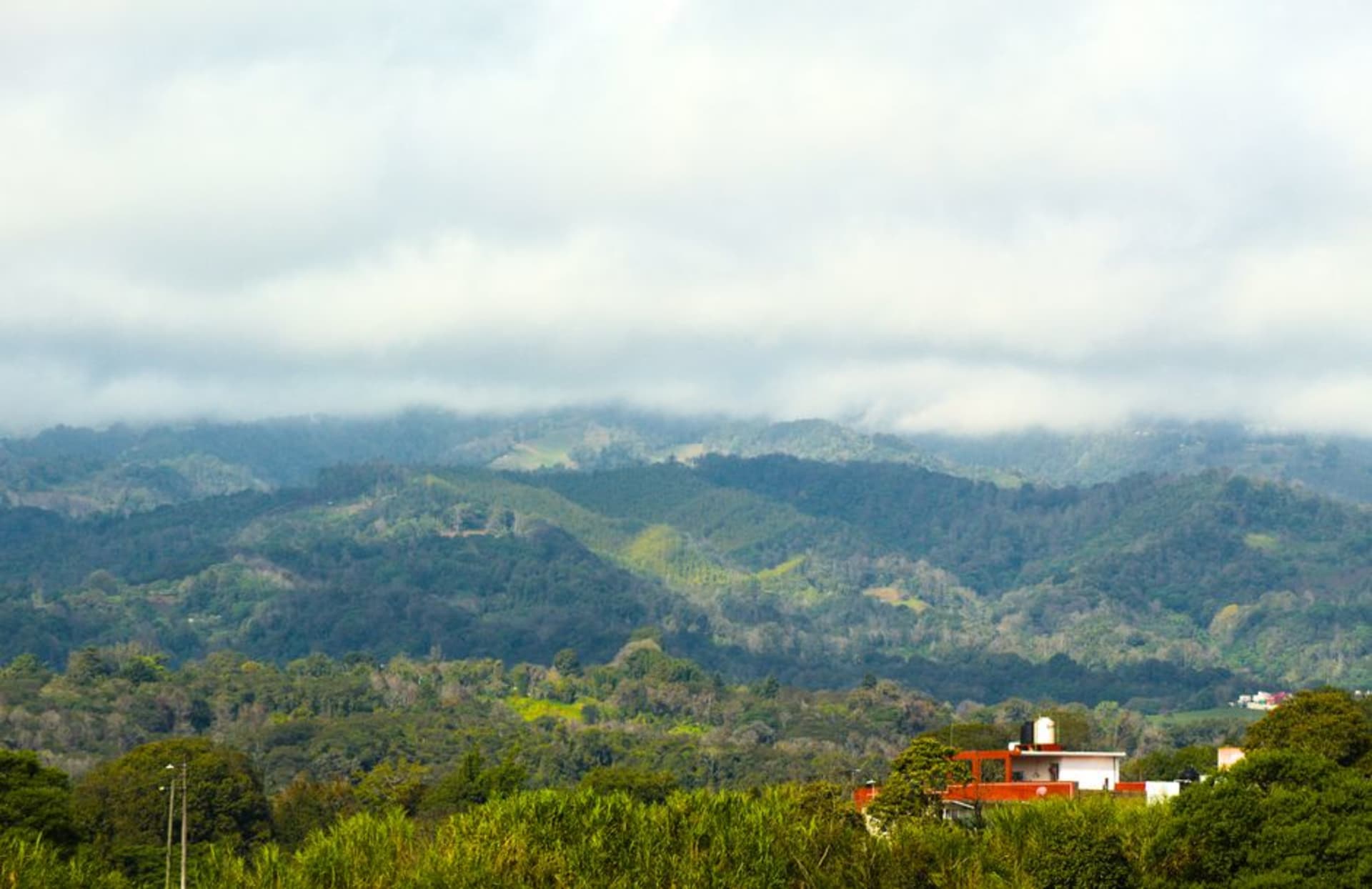
Altotonga is a high mountain town in northern Veracruz, set on the slopes that climb toward the Cofre de Perote, one of the great volcanoes of the region. Up here the altitude does everything: it grows apples and potatoes where the lowlands grow coffee and citrus, it wraps the afternoons in fog that rolls down off the higher ground, and it makes the nights genuinely, seriously cold. It’s a bracing place — clean thin air, pine forest, the chill of real elevation — and it feels a world away from the Veracruz most people picture.
Apples and Potato Fields
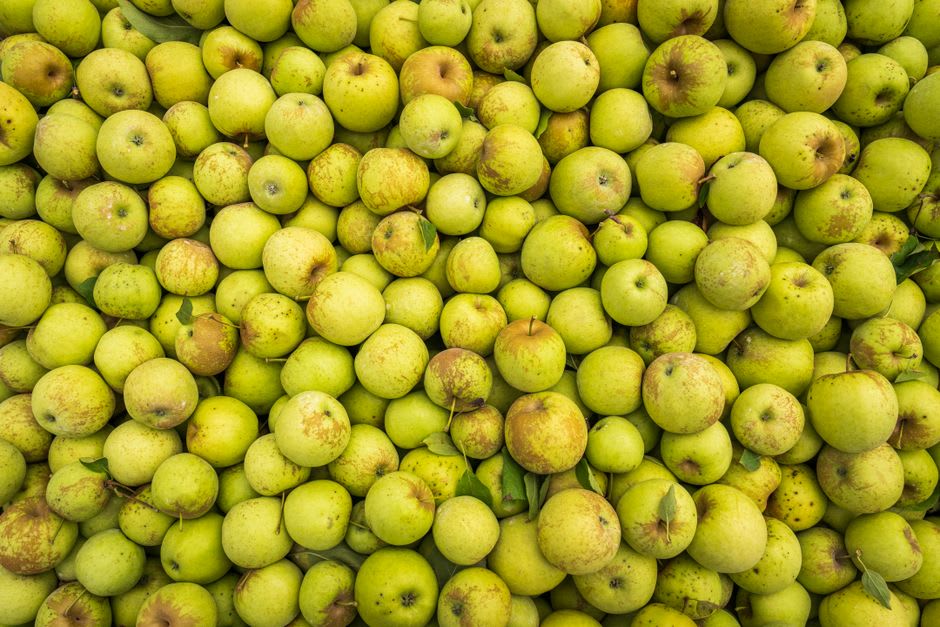
The orchards were the first thing that undid my expectations. Driving up into Altotonga you start passing apple trees — actual apple orchards, rows of them on the cool slopes — and higher still the land opens into potato fields, the dark turned earth of them stark against the green. It’s cold-climate farming, high-altitude agriculture, and it exists here because the Cofre de Perote lifts this corner of Veracruz up into a temperature band that most of the state never reaches.
I stopped to talk with a man loading crates of apples onto a truck, and he was patient with my obvious astonishment. Yes, apples. Yes, in Veracruz. He said it the way you’d explain something perfectly ordinary to a child, because to him it was ordinary — his family had grown apples up here for as long as anyone remembered. He handed me one, small and firm and tart, nothing like the polished uniform apples of a supermarket, and it tasted exactly like a cold place, if that makes any sense. Crisp and honest.
He told me the potato harvest had been good and the apples middling, and gestured up toward the higher slopes where the fog was already gathering for its afternoon descent.
Fog and Pine
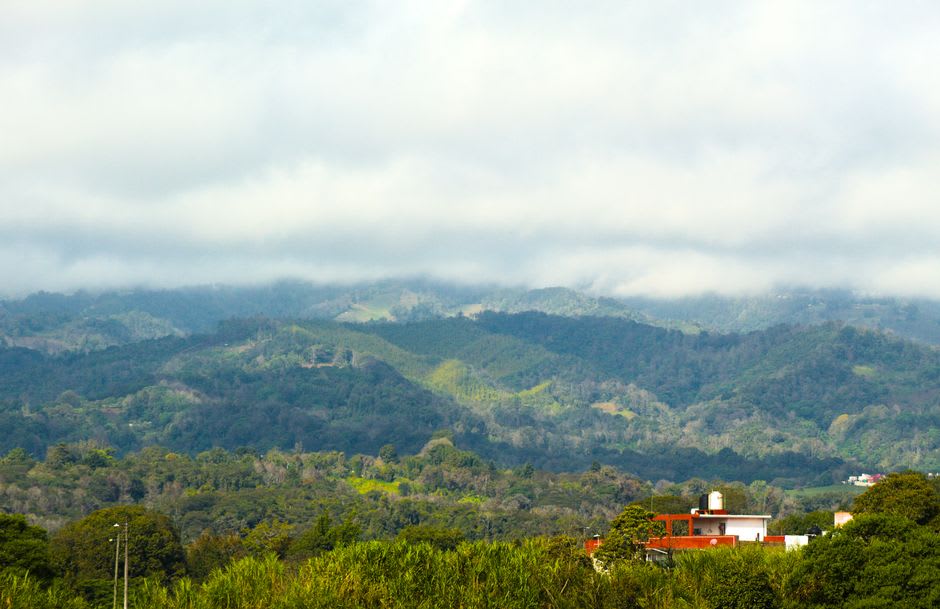
The fog is a daily event in Altotonga, and it gives the town its particular mood. Most afternoons it comes down off the Cofre and the high forest, swallowing the pines and the orchards and softening the whole town into something dreamlike and grey. It’s not gloomy, exactly — it’s atmospheric, the kind of weather that makes you want to be indoors with something hot.
I was caught out in it once, walking the edge of town where the streets give way to pine forest, and the fog came in so fast and thick that the trees went to silhouettes and then to suggestions and then to nothing, and the sound of the town behind me went muffled and distant. It should have felt disorienting. Instead it felt enclosing, private, like the mountain drawing a curtain. I stood in it for a while, cold and a little damp, watching the pines fade in and out as the fog shifted, and I understood something about why the people here seem so unbothered by weather that would send a coastal Veracruzano into shock.
The pine forest up here is the real high-sierra kind — tall, dark, resinous, full of that wind-through-branches sound I never tire of. Combined with the fog and the cold, it makes Altotonga feel less like a town you visit and more like a town you take shelter in.
The Cold and the Town
I want to be honest about the cold, because it’s central to the experience: Altotonga gets properly chilly, especially at night, and if you come up from the coast in your coastal clothing you will regret it. I did. I ended up buying a wool sweater from a shop off the plaza, which the woman selling it found reasonable rather than amusing, because people underestimate the cold up here all the time and her shop presumably runs partly on their poor planning.
The town itself is a working sierra town, cold and compact, arranged around its plaza and church with the pragmatism of a place where the weather is a real factor in daily life. In the evenings people move quickly, wrapped up, and the comedores fill with the welcome heat of cooking. I ate a bowl of caldo that was mostly medicinal in its effect, sitting near a window while the fog pressed grey against the glass, and it was one of those meals that’s made better by the cold outside it — the contrast doing half the work.
There’s something clarifying about Altotonga’s chill. It strips away the tropical languor you carry up from the coast and replaces it with the brisk alertness of altitude. I always come down from these high Veracruz towns feeling slightly reset, and Altotonga does it more thoroughly than most.
Getting There
Altotonga sits high in northern Veracruz on the slopes below the Cofre de Perote, reachable by road from Xalapa, Perote, and Jalacingo. Second-class buses serve the town, and colectivos connect it to the surrounding highland towns, but a car gives you the most freedom to explore the orchards and the forested high country around it. The drive climbs steadily, so budget time for the curves and the elevation gain.
Most travelers fold Altotonga into a northern-Veracruz sierra loop alongside Jalacingo, Altotonga’s neighbors, and the Perote high country. Come prepared for cold: warm layers are non-negotiable, particularly for the evenings and for anytime outside the warmer months, and a rain or fog layer is wise given the near-daily afternoon mist. Come for the apples, the pine, and the bracing high-mountain air — and don’t make my mistake of arriving dressed for the tropics.