Acayucan
"Every market stall seemed to sell something I had not tried yet — I ended up eating three separate breakfasts working my way through the covered market, which is the correct strategy."
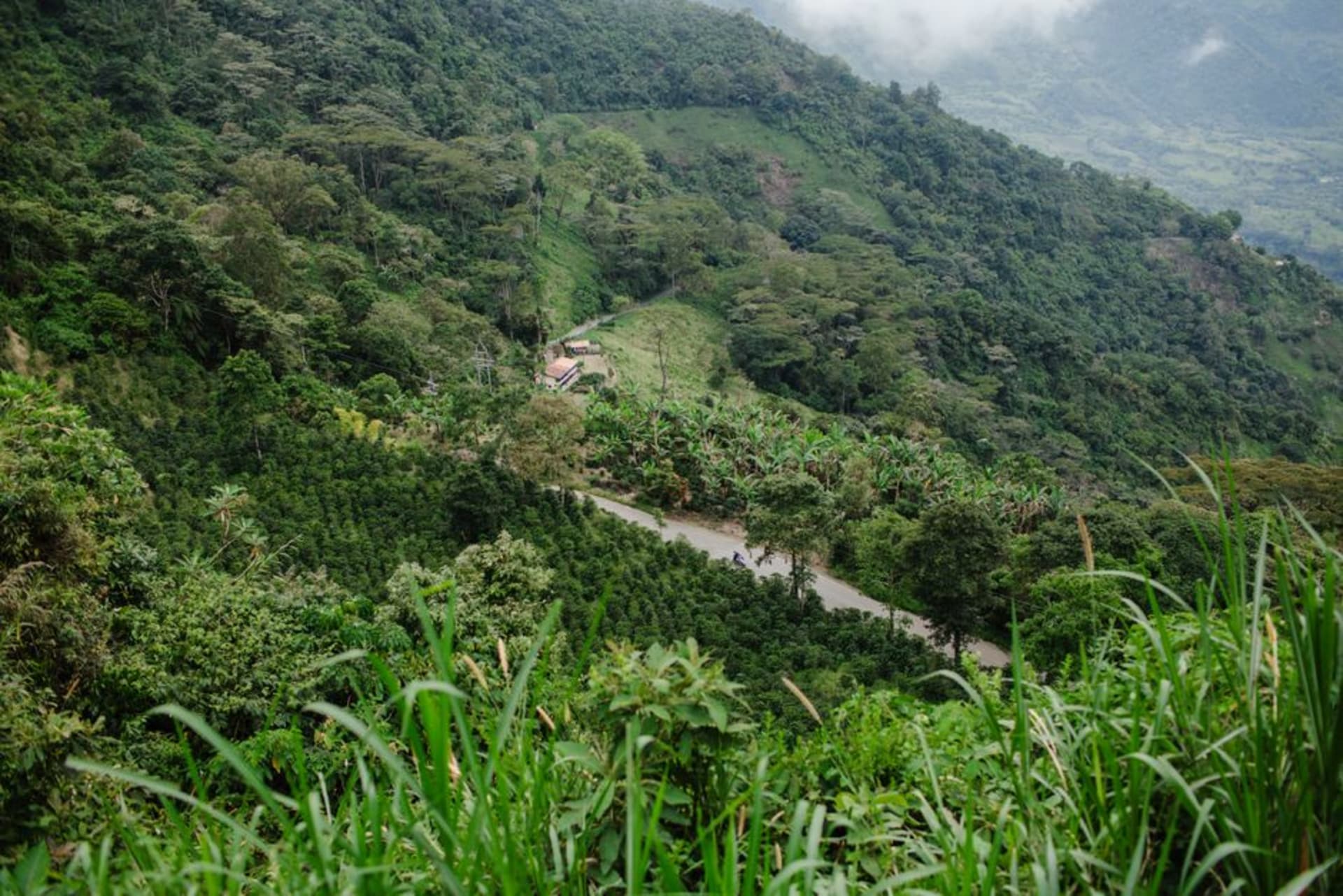
I came through Acayucan on a bus from Coatzacoalcos intending to change coaches and keep moving toward Oaxaca. Instead I left my bag at the first hotel I found near the central plaza — a modest place on Calle Hidalgo with a ceiling fan that worked — and spent two days eating my way around a town that nobody had told me anything useful about. The routes converge here because the geography demands it, and that convergence shows up in everything from the accents on the street to the produce piled in the market to the particular chaos of the bus terminal at six in the morning.
The Mercado Municipal and What It Contains
The covered market is the whole point. I arrived before eight on the first morning, which meant the tlayuda stands were still setting up and the women selling atole were doing the briskest business in the building. Acayucan sits at the edge of where Veracruz coastal cooking begins to bleed into Oaxacan and Isthmus flavors, and nowhere is that more visible than here: memelas alongside pescado a la veracruzana, chapulines from somewhere over the Oaxacan border, and enfrijoladas with a smokiness I could not fully account for. I ordered a plate of tostadas with frijoles negros and a garnish of chipotles that a woman near the back called chipotle meco, and then I did not leave the building for another hour because there was a stall selling tamales de rajas that I had not noticed on the first pass. I counted this as breakfast one and breakfast two. There was a third.
Popoluca and Zoque Traces
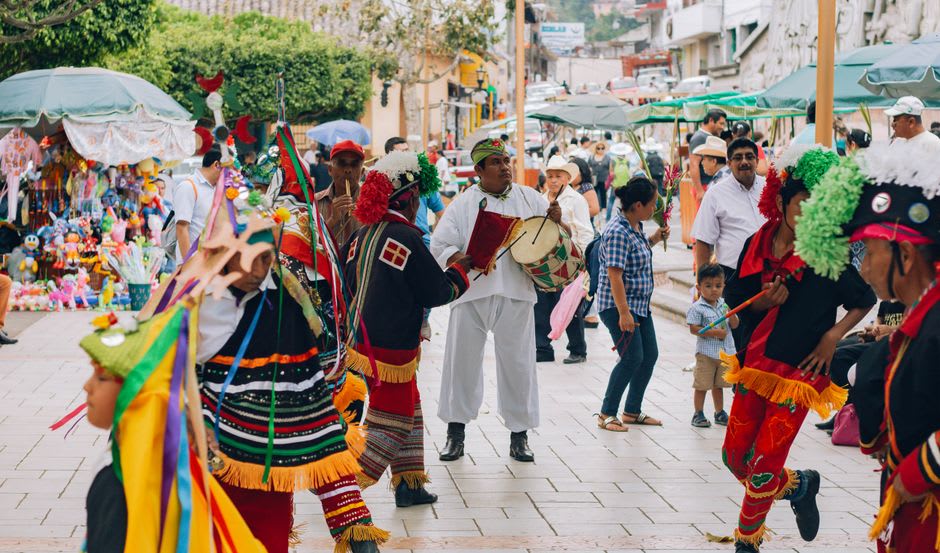
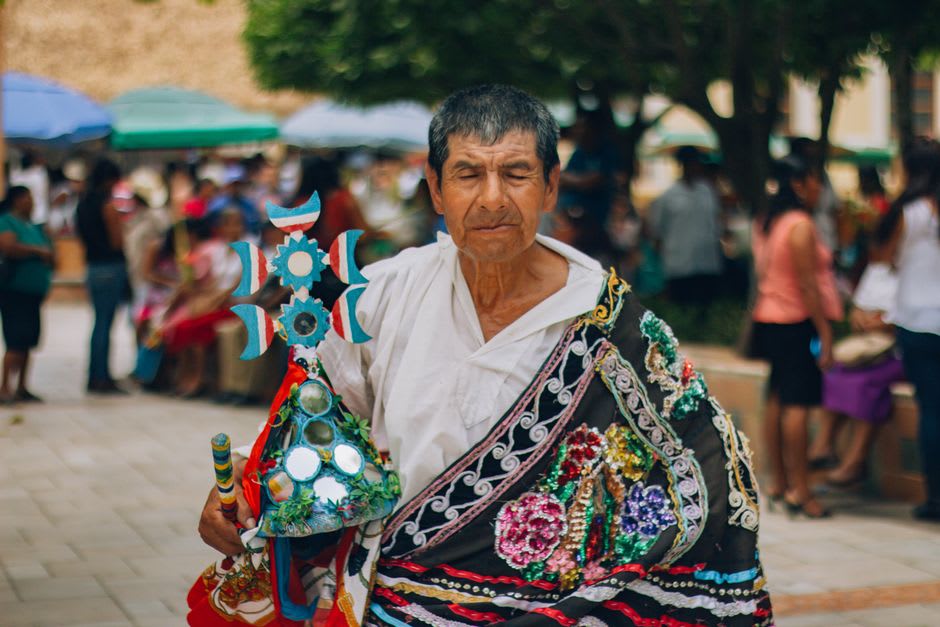
The thing nobody explains about Acayucan is that you are sitting in the middle of a cultural boundary that tourist maps mostly ignore. The Popoluca and Zoque communities have been in this region since long before the Olmec sites at San Lorenzo were built a short distance away, and their presence is not dramatic or monument-heavy — it is in the crafts sold near the market entrance, in the surnames, in a particular style of embroidered blouse I kept seeing on the older women at the stalls. I visited the small regional museum on the edge of the main plaza, which is quiet and not especially well-funded but holds a few pieces from the San Lorenzo excavations that put the scale of the Olmec presence in this part of Veracruz into perspective. It is worth an hour, especially in the afternoon heat when the plaza turns slow and the shade inside the building is welcome.
The Road Toward Los Tuxtlas
If you have a free morning, hire a colectivo or a taxi north along the road that climbs into the Sierra de Santa Marta. The vegetation thickens fast and the air changes within twenty minutes of leaving town. Acayucan sits at the southeastern edge of the Los Tuxtlas biosphere reserve, and while the reserve itself is best entered from Santiago Tuxtla or Catemaco, the approach roads here are quieter and the villages along them are not set up for visitors in any organized way — which is exactly what makes them worth the detour.
Getting There
Acayucan is a major bus junction served by frequent ADO and second-class coaches from Veracruz city (around four hours), Oaxaca (five to six hours via Tehuantepec), Villahermosa (two and a half hours), and Coatzacoalcos (one hour). The terminal is about fifteen minutes on foot from the central plaza. Most long-distance buses depart in the early morning or late evening.