Acajete
"Frost on the potato rows, sheep in the fog, pines on the ridge — and somewhere far below, the Veracruz coast sweating in the sun."
I keep coming back to the Cofre de Perote, and each time I do I find another cold town that Veracruz seems to keep secret from its own reputation. Acajete is one of them. I climbed up from Xalapa on a grey morning, the road lifting me out of the coffee country and onto a high plateau where the trees thinned and the wind picked up and my breath started to show. There were sheep grazing rough pasture beside potato fields, frost still white in the shadows well after sunrise, and a cold that got into my bones and stayed. This is Veracruz too — the state contains multitudes — but you would never guess it from a postcard of the port.
Acajete sits high and west of Xalapa, up toward the flanks of the Cofre de Perote, on that bracing upland shelf where central Veracruz stops being tropical and becomes something altogether more austere. It is a farming town, unshowy and unbothered by visitors, and I found its plainness deeply refreshing.
The Cold Plateau
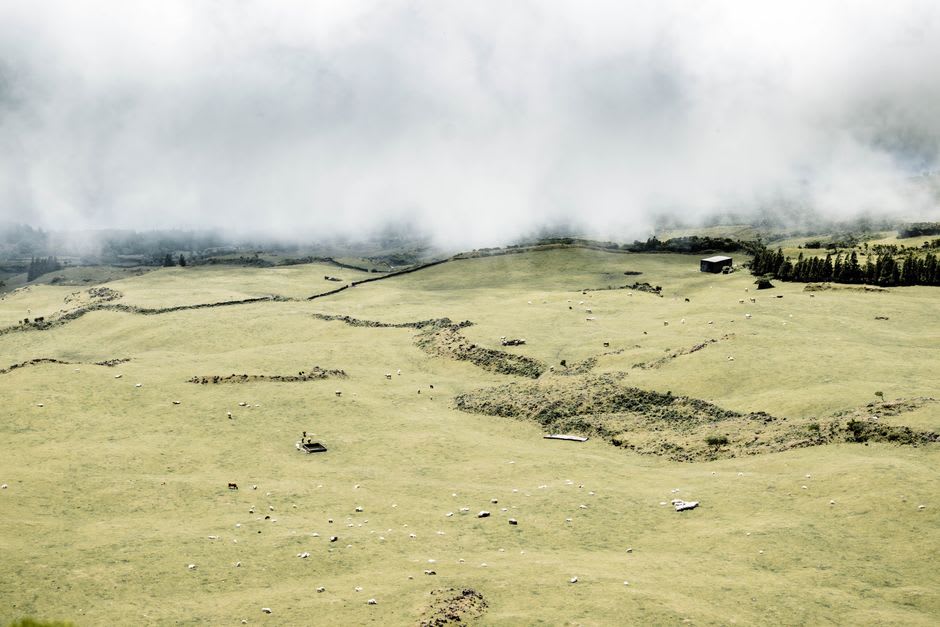
The landscape around Acajete is a study in high, cold agriculture. Where the pine forest has been cleared, the land is given over to potatoes and other cool-climate crops, laid out in neat rows across the plateau, and to pasture where sheep graze under enormous grey skies. It is a working landscape, not a scenic one, and that is precisely its appeal — nothing has been arranged for the eye.
The altitude does the rest. Fog moves across the fields in the afternoon, frost forms on clear nights, and the light has that thin, hard clarity you only get high up. I stood at the edge of a potato field with the wind cutting through two layers of wool and felt more awake than I had in weeks.
Pines and the Cofre
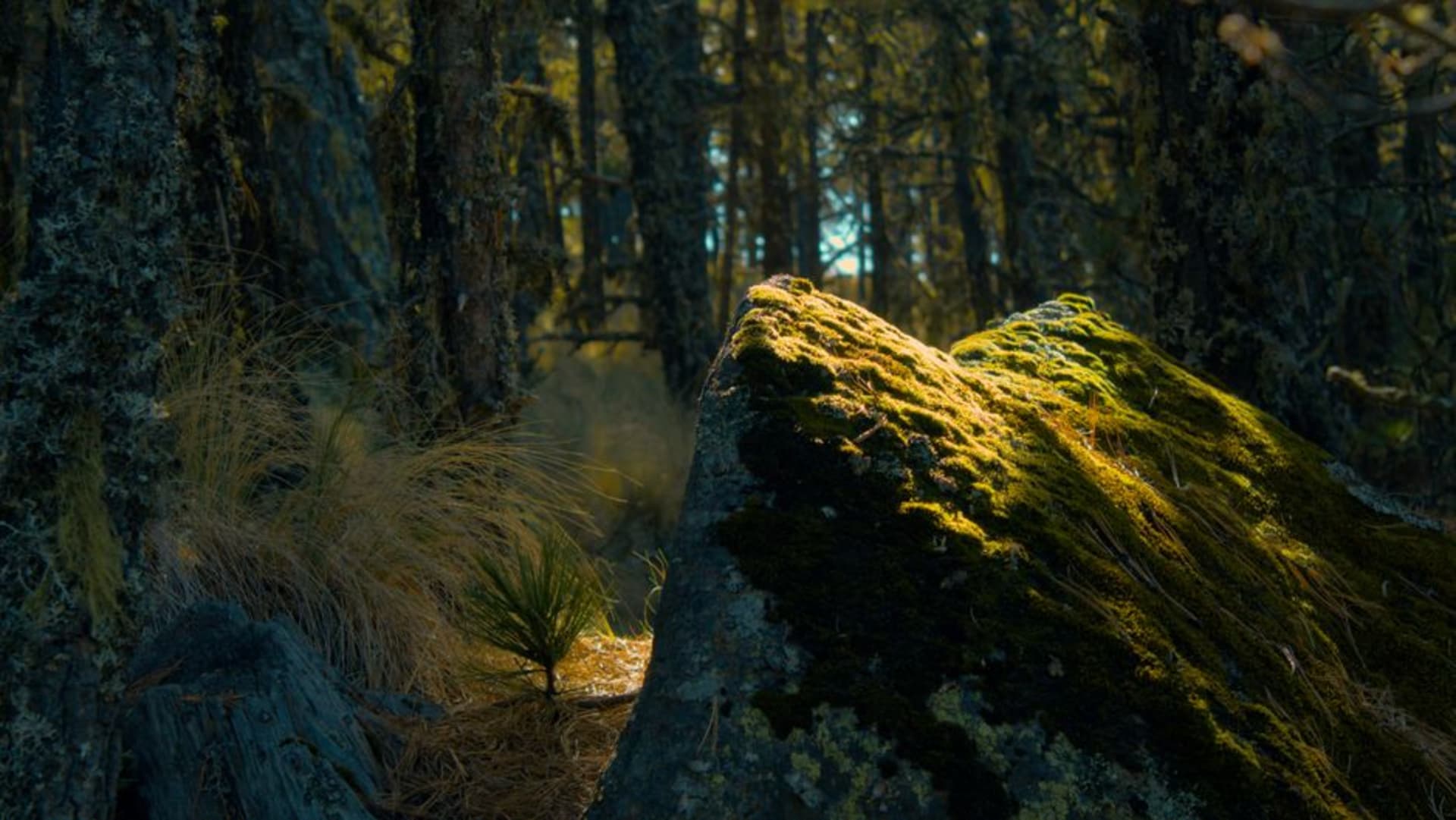
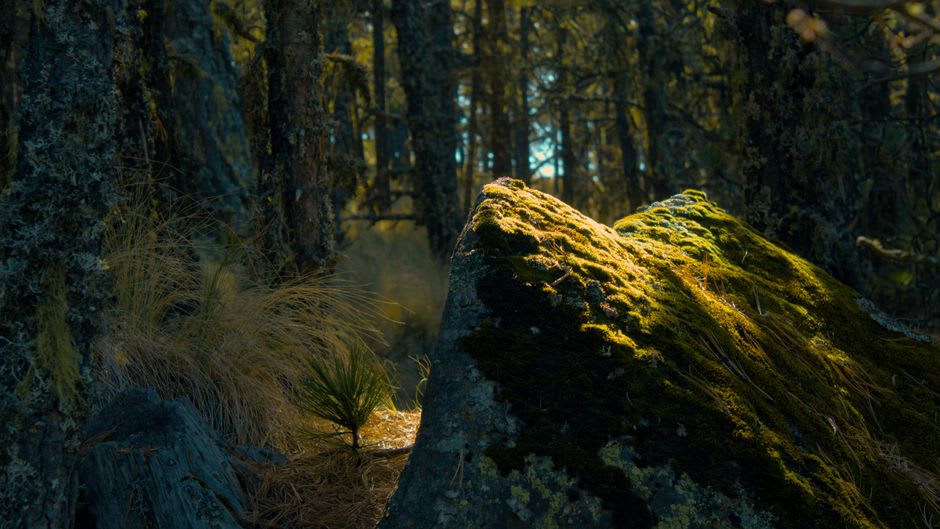
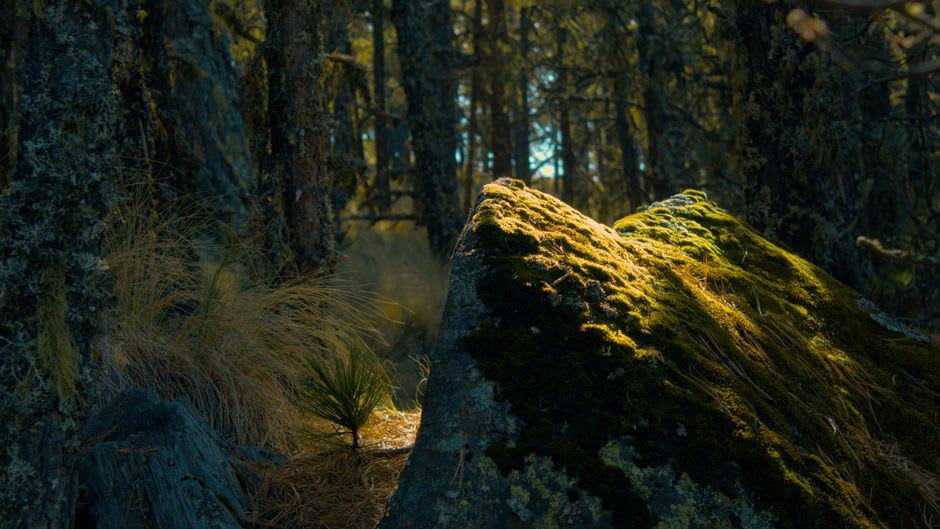
Above the fields the pine forest closes in again, climbing toward the Cofre de Perote, whose flat squared summit presides over this whole corner of the highlands. The forest here is the cold, tall conifer woodland of the volcano’s flanks, and on a clear day — they are not frequent — you can see the great mountain looming pale above the trees.
I walked a stretch of forest track at the town’s edge, boots crunching on frost-stiffened needles, the resin smell sharp in the cold air. It is quiet up here in the way only high places are quiet, the sound falling away into the vastness. If you drive on toward the volcano, the road carries you into ever higher, colder, more magnificent pine country on the way to the national park.
The Town
Acajete itself is a modest highland town — a church, a plaza, a scatter of shops and comedores, and the steady rhythm of a community that farms the cold plateau and works the surrounding forest. There is no tourist trade to speak of, which means the welcome, when it comes, is unguarded and genuine. I got a bowl of something hot and a coffee grown lower down the mountain, and warmed up while an old farmer told me, with the patience of the truly unhurried, about the frost and the potato harvest and the sheep.
It is not a place that will keep you for days. But as a bracing, honest, thoroughly un-touristed corner of the highlands — a reminder that Veracruz has cold bones under its tropical skin — it rewards the detour handsomely.
Getting There
Acajete lies west of Xalapa in the central Veracruz highlands, roughly 45 minutes to an hour by car, on the way up toward the Cofre de Perote. Buses and colectivos run from Xalapa and will set you down in town, so a car isn’t essential — though it helps if you want to push on into the volcano’s forests. Note that Veracruz has a second, larger Acajete far to the south, so confirm you’re headed for the highland town near Perote. Come dressed for real cold and possible frost: this is upland country, and the mountain sets the weather.