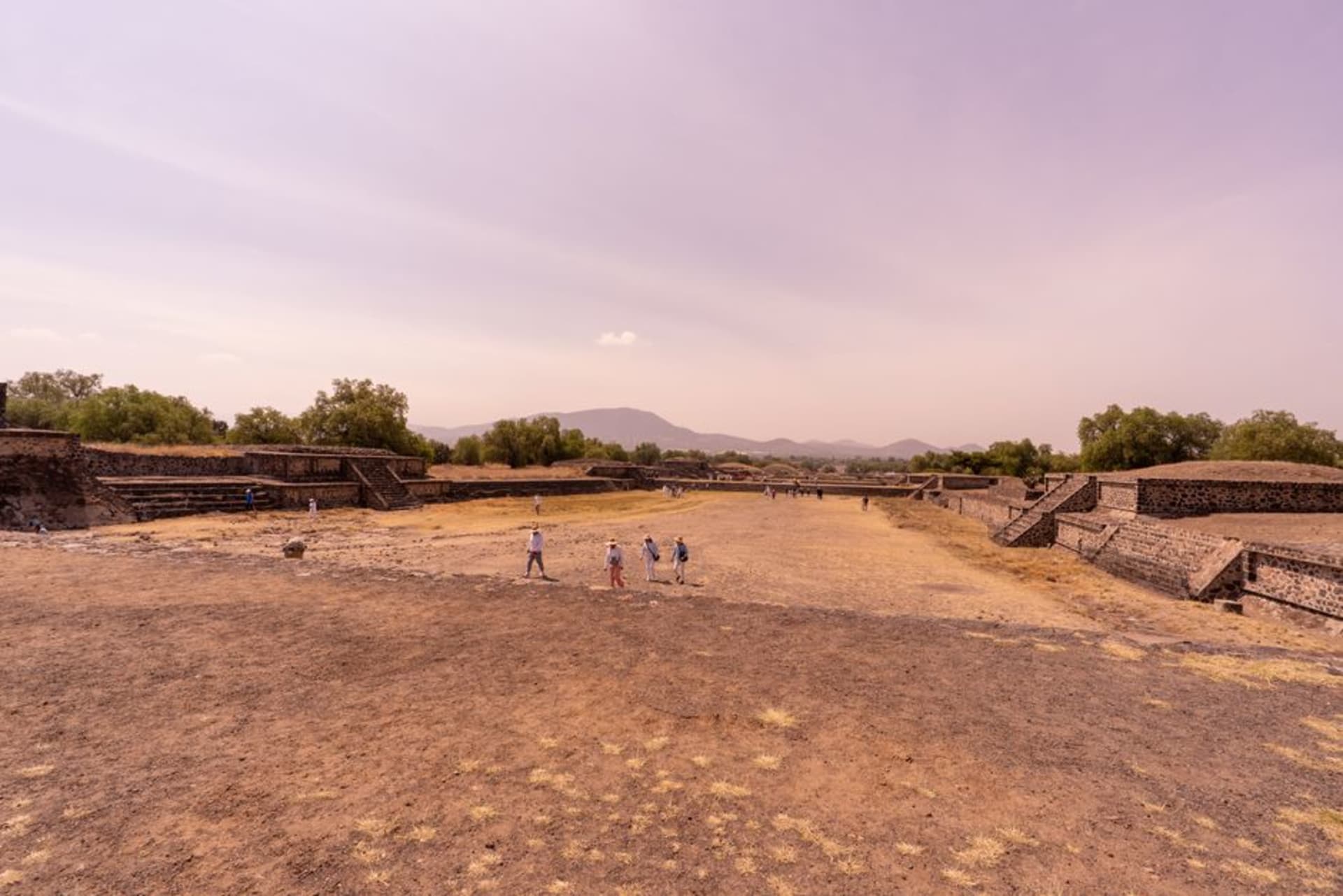
Xochitécatl
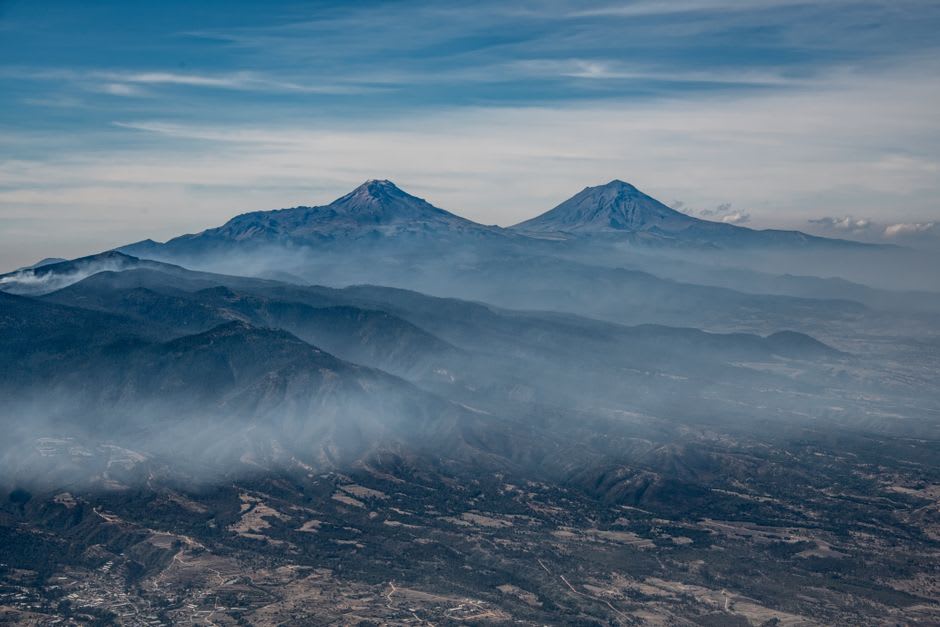
"Standing at the top of the Spiral Pyramid with La Malinche filling the entire horizon, I kept thinking: the people who built this never met the Aztecs, never met the Spanish. They just built, and climbed, and looked at that same volcano."
I had come to Tlaxcala for Cacaxtla — the murals, the Jaguar-warrior frescoes, the whole polychrome spectacle of it. Xochitécatl was listed on the same combined ticket, a kilometer or so up the road, and my guidebook gave it four lines. I walked over expecting twenty minutes of dutiful site-checking. I stayed for two hours on a hilltop with almost no one else in sight, staring at a circular pyramid that faces the volcano and genuinely wondering why nobody had thought to warn me this was worth the afternoon.
The Spiral Pyramid and What It Does to You
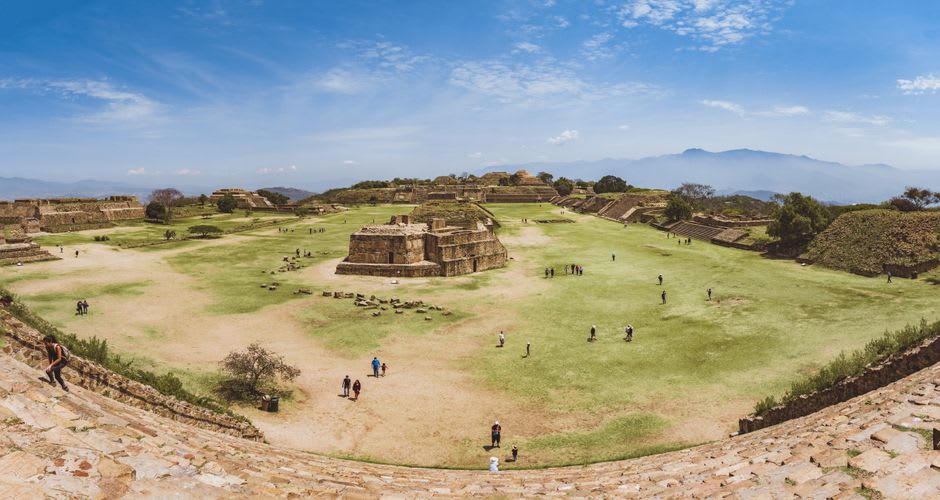
Xochitécatl is organized around four structures, each with a different geometry and a different relationship to the landscape. The Pyramid of Flowers — the largest — climbs in wide terraces to a flat summit forty-two meters up. The Pyramid of the Serpent runs long and low across the hillside. The Building of the Three Temples anchors the base. But the structure I kept returning to is the Spiral Pyramid: a rare circular form that, as far as anyone can establish, was oriented deliberately toward La Malinche. Stand at its base and look east. The volcano fills the slot of sky between the hills as if placed there by someone who understood exactly what they were doing. From the summit — reachable in about thirty seconds — La Malinche is not a backdrop but a presence, close and specific, snow catching whatever the morning still has. The site dates to roughly 1000 BCE, which places it well outside the Aztec world, well outside the frame most visitors arrive with. That absence of a familiar context is, I think, exactly what makes it work.
People Without a Name
The thing that stayed with me — days later, over sopa de lima at a comedor back in Tlaxcala city — is that we do not know who built Xochitécatl. Not in the way we know the Mexica, or even the Toltec-Chichimec. A pre-Classic civilization occupied this hilltop from around 1000 BCE into the early centuries CE, then abandoned it; a later group reoccupied it for a period, and then that ended too. Archaeologists recovered hundreds of figurines here, mostly female, mostly associated with water and fertility rites. They found evidence of repeated ritual deposits over centuries. What they did not find was a name, a surviving glyph, a language that anyone has yet decoded. The Pyramid of Flowers is forty-two meters of quarried and stacked stone, raised over generations by people who apparently never introduced themselves to history. I find that genuinely moving rather than merely melancholy. It reorders the story you thought you were standing inside.
How to Spend the Morning
Go early — the site opens at 9 AM, and on a Tuesday you may have it entirely to yourself. Bring water; there is no shade on the pyramids and Tlaxcala sits at 2,200 meters, where the sun is direct even when the air is cool. The small on-site museum is worth twenty minutes for its figurine collection, which gives useful context whether you do it before or after the walk. Combine the visit with Cacaxtla, five minutes away by combi or a manageable walk, and plan lunch at a small comedor in nearby San Miguel del Milagro — the quesadillas de huitlacoche when the season is right, or whatever the señora has going on the comal.
Getting There
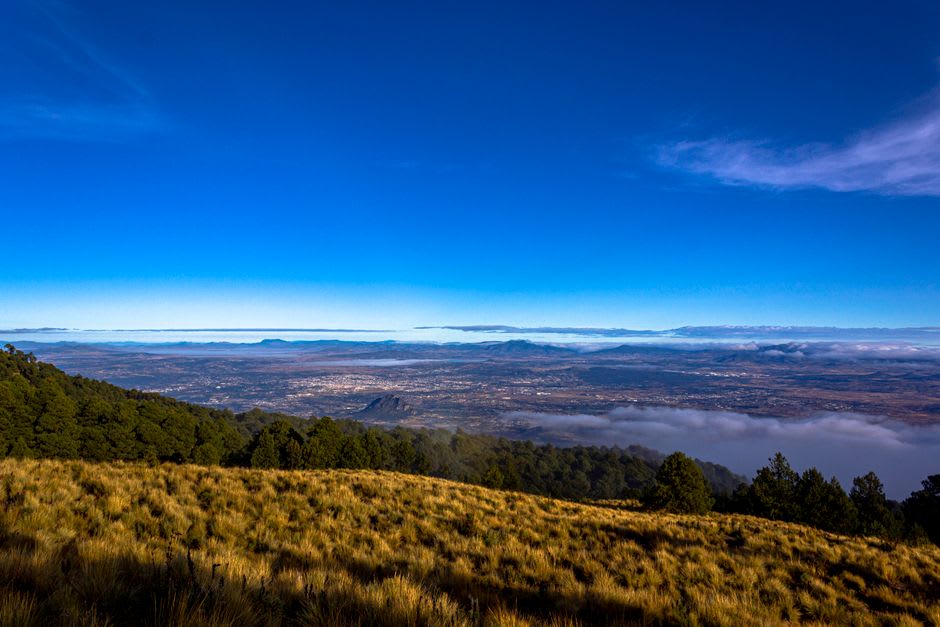
Xochitécatl is about 19 kilometers from Tlaxcala city — a 30-minute drive. From the city, combis toward Nativitas leave from near the central market; ask to be dropped at the Cacaxtla–Xochitécatl turnoff, then walk uphill or catch a mototaxi. The dry season, October through April, gives the clearest views of La Malinche. Weekday mornings are quiet; weekends less so.