Tlaxco
"The pulque curado was cold and slightly sour and had a depth I had not expected, and the pulquería was not adjusting itself for me at all, which was exactly right."
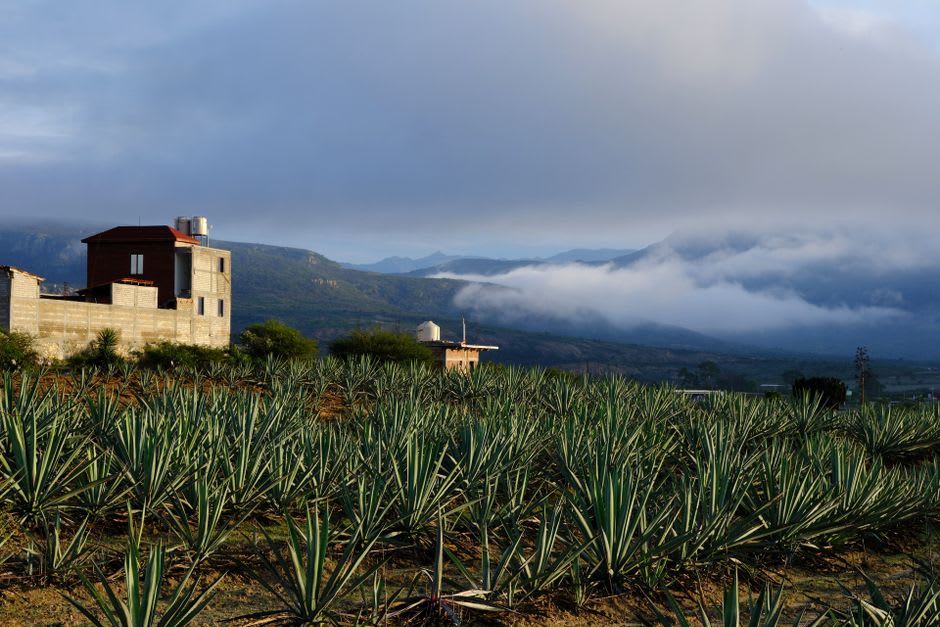
Tlaxcala is one of the smallest states in Mexico and the one Mexicans most reliably cannot locate on a map — it sits in the highland valley between the volcanoes, between Puebla and Mexico City, surrounded by states that are louder about their identities. The state capital is warm and pleasant and has a beautiful colonial center. But the northern part of the state is a different thing entirely: pine-oak forest, fog, the high country near the Hidalgo and Puebla borders, maguey growing thick on the hillsides. That is where Tlaxco is.
I arrived on a morning bus from Tlaxcala city, a journey of about an hour through the ascending hills. The temperature at the bus stop in Tlaxco was probably fifteen degrees cooler than when I’d left the capital. The fog was sitting in the valley, not burning off. The pines were visible for about a hundred meters and then disappeared into white. I had not brought enough clothes.
The Pulquerías of the Northern Highlands
Tlaxco sits in what is still serious pulque territory. The maguey — the agave variety that produces the sap that ferments into pulque — grows well at 2,400 meters, and the communities in the hills around Tlaxco have been producing and consuming pulque for as long as there is a record of people living here. The pulquerías in the villages outside the town are the old kind: family operations, usually a room attached to the house, the pulque made by whoever makes the pulque in that family, served in whatever vessels they use.
I found one on a road north of the town center — a painted concrete building with a hand-lettered sign and two old men sitting outside on a bench who assessed me briefly and seemed to determine I was probably not a problem. Inside: wooden tables, a television showing a novela with the sound off, a smell of fermentation that was strong and not unpleasant. The woman running it had a large clay vessel behind the counter and various curados — pulque flavored with fruit — in glass jars. I asked what she recommended and she poured me a curado de guayaba without hesitation.
Pulque curado de guayaba in a Mexico City pulquería is sweet and accessible and designed in part for people who find plain pulque challenging. This was not that. This was tart and complex and slightly viscous in the way that good pulque is viscous — people call it the consistency of “babas,” which means the same thing you think it means — with the guayaba adding a floral sourness rather than sweetness. I drank it slowly. I ordered a second. The two old men outside came in and drank their plain pulque and watched the novela with the sound off and paid no particular attention to me.
I have drunk pulque in perhaps fifteen different contexts across Mexico and this was the best version I have had. I cannot entirely tell you why, because it is partly the context — a small room, a cold day, fog outside, the specific unselfconsciousness of a place that has never considered itself a destination — and partly the pulque itself.
The Church and the Wool Textiles
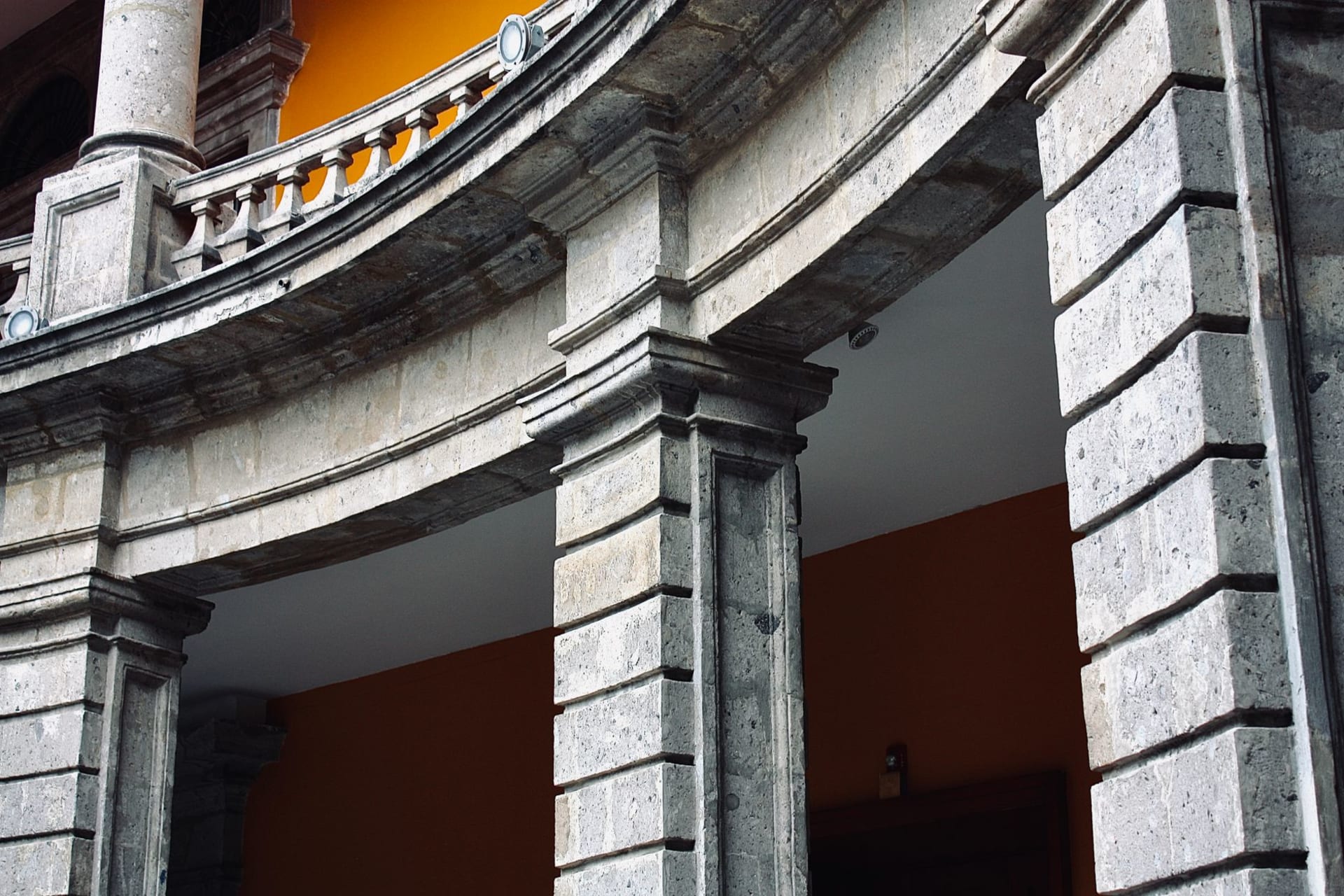
The seventeenth-century parish church on the main plaza is handsome in the solid, slightly heavy way of highland Mexican colonial churches — thick walls for insulation, a tower that disappears into the fog, a dark interior that smells of candle wax and old wood. It is not Rosario’s gold-leaf retablo; it is the other kind of colonial church, the kind that feels built to last against the weather and not to dazzle.
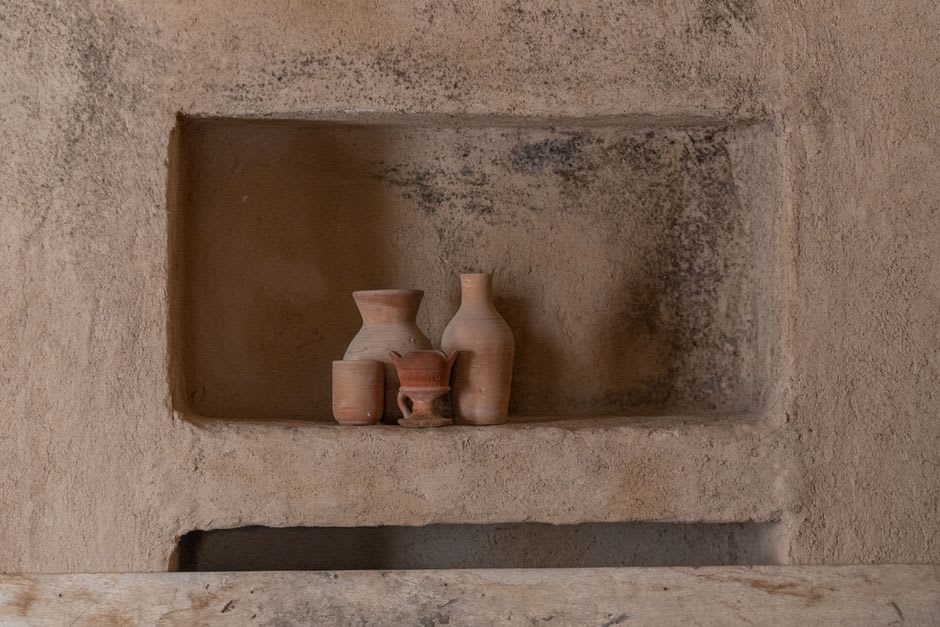
The textile tradition of the Tlaxco area is distinct from what you find in the warmer central valley. Up here the fiber is wool — the maguey country and the sheep country overlap in the northern highlands — and the weaving produces heavier cloths than the cottons and synthetics of the valley workshops. In the market and in a few textile shops around the plaza, you can find rebozos and blankets in natural wool colors — undyed, or dyed with local plants to produce the muted ochres and greens that the local palette favors.
I bought a small table runner from a woman at the market who had made it herself. The weave was tight and the border pattern was geometric, indigenous-derived. She asked if I was French and when I said yes she told me her son had been to France once on some agricultural exchange program and had found it cold and the bread very good. I told her this was an accurate summary.
The Forest and the Cold
The pine-oak forest on the hills above Tlaxco is unremarkable in the way of pine-oak forests everywhere, which is to say it is what a forest is. In the fog it acquires a different quality. The road through it north toward Hidalgo climbs and winds and in the early morning the maguey plants visible through the trees are heavy with dew, their thick spiked profiles exactly the shape that maguey makes, unchanging for however many centuries people have been walking past them.
Buses from Tlaxcala city run to Tlaxco throughout the day — the journey is about an hour. There are a few small hotels in the town for those who want a night in the highlands. The surrounding villages have markets on specific days that vary by community; ask in town about the weekly schedule. Go in the morning before the fog lifts if you can manage it. And bring a jacket. I will keep saying bring a jacket until someone listens.