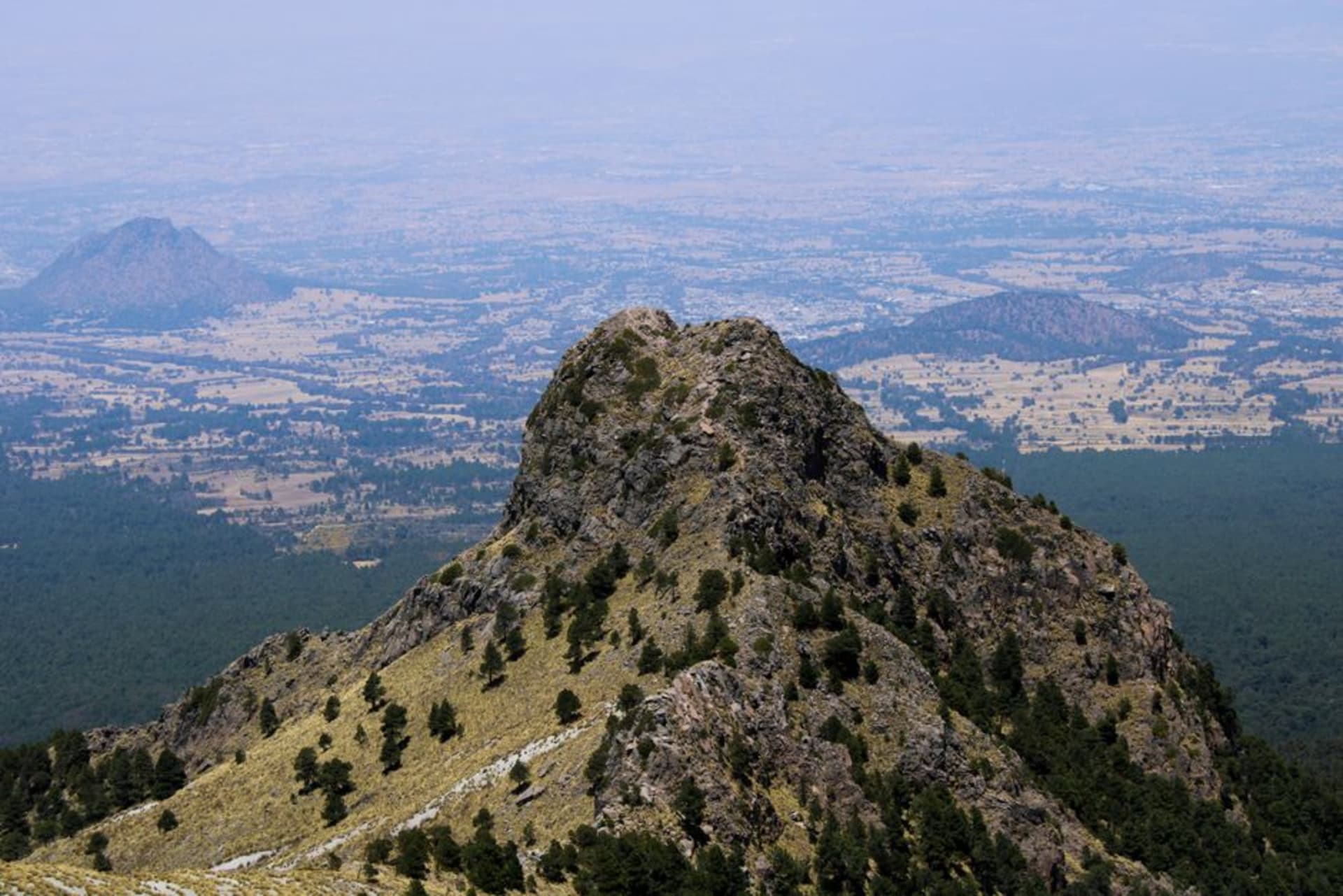
Terrenate
"People forget Tlaxcala has mountains. Terrenate is where the state keeps its cold, its pines, and its silence."
I came to Terrenate almost by accident, on a day when I’d meant to drive to Puebla and took a wrong turn near Huamantla that kept climbing instead of dropping. The temperature fell degree by degree until I had the window up and the heater on, and the maize fields gave way to pine. When I finally stopped the car and got out, the smell hit me first — resin and cold earth and woodsmoke — and I understood I was somewhere that had nothing to do with the flat, dry Tlaxcala most people picture. This is the state’s forgotten upstairs, and it took a wrong turn to find it.
The Pine Highlands
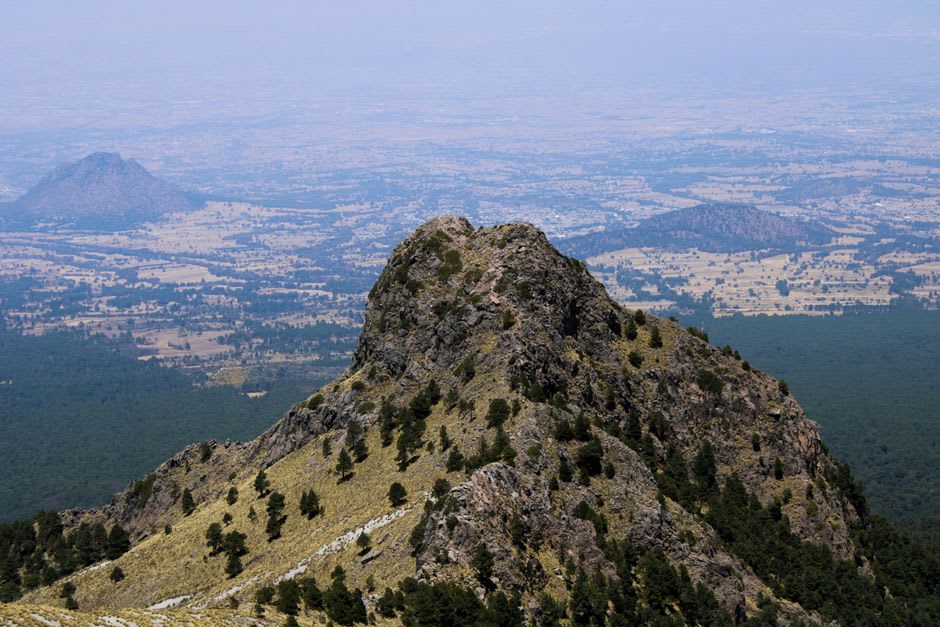
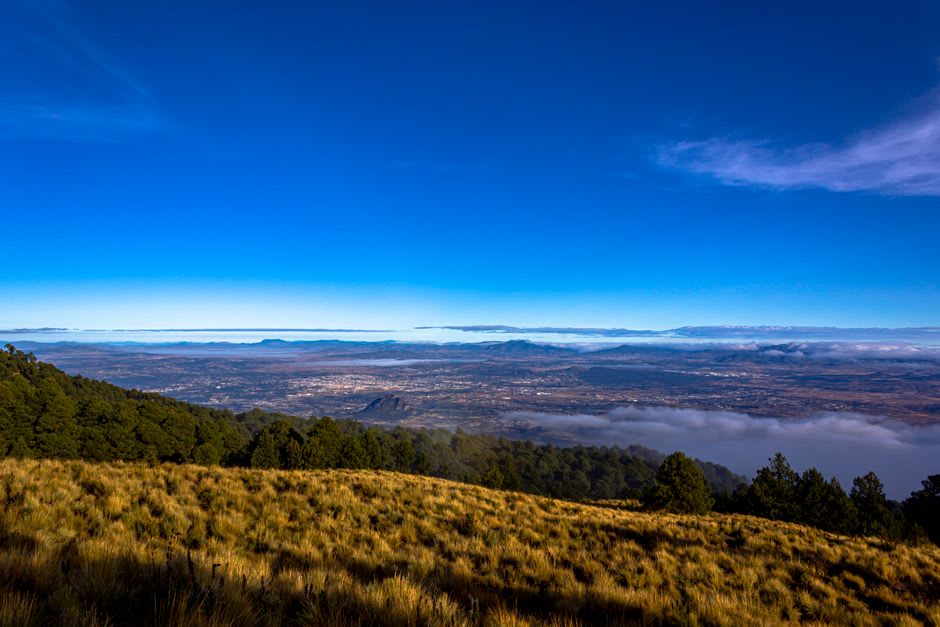
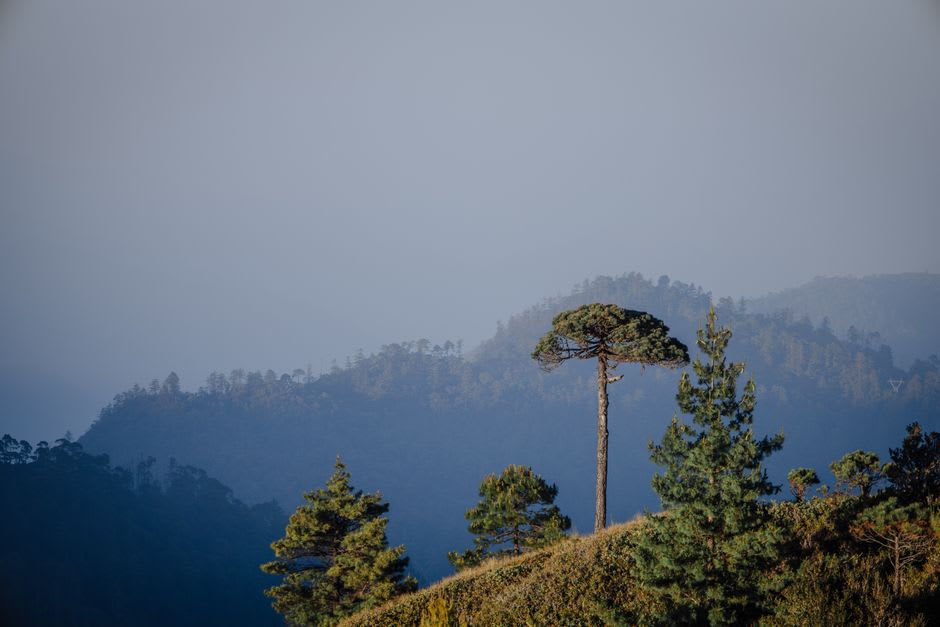
Terrenate sits in the northeastern corner of Tlaxcala, up where the land folds into ridges and the conifers take over. This is a cool place — genuinely cool, the kind where mornings carry frost into November and the light comes through the trees in long grey shafts. I spent an afternoon walking a track between two ranchos with nothing to guide me but the sound of my own boots and, somewhere far off, an axe. The forest here isn’t manicured or ticketed. It’s working forest and grazing land, the kind of country where a man on horseback will nod at you and keep going, and you feel, pleasantly, like the least important thing on the mountain.
Springs and Cold Water
What I remember most is the water. These highlands are fed by springs, and the streams that come off the ridges run clear and painfully cold — the kind of cold that makes your hands ache in seconds. A rancher I fell into conversation with pointed me toward a spot where the water pooled under a stand of trees, and I sat there for an hour eating an orange I’d bought that morning, listening to it move. There’s nothing built there, no sign, no entrance fee. Just water coming out of the mountain the way it has for longer than any of the surrounding names have existed. I drank some, cautiously, and lived.
The Quiet Ranchos
The municipality is a scatter of small ranchos and farming hamlets rather than one tidy tourist town, and that’s the whole point of the place. Life moves at the pace of the animals. I stopped at a tiny shop — really someone’s front room — for a coffee, and the woman who ran it made it slowly, in no hurry, while her grandson watched me with open curiosity because visitors are not the daily event here. We talked about the cold, about the price of maize, about a saint’s day coming up. When I left she wouldn’t quite let me overpay. That kind of encounter is the reason I keep driving toward the corners of the map that no one recommends.
Getting There
Terrenate is in Tlaxcala’s northeastern highlands, near the Puebla state line. The easiest approach is by car from Apizaco or Huamantla, climbing north and east on paved secondary roads that turn narrow and winding as they gain altitude — allow more time than the distance suggests. There is no tourist infrastructure to speak of, so come with a full tank, warm layers even in summer, and no fixed itinerary. Public transport reaches the main town via regional buses and colectivos from Apizaco, but a car is what lets you actually wander the forest tracks and find the springs. Go for the air and the quiet, not for landmarks.