Españita
"On a clear morning you get three volcanoes for the price of one town nobody's heard of. That's a good exchange rate."
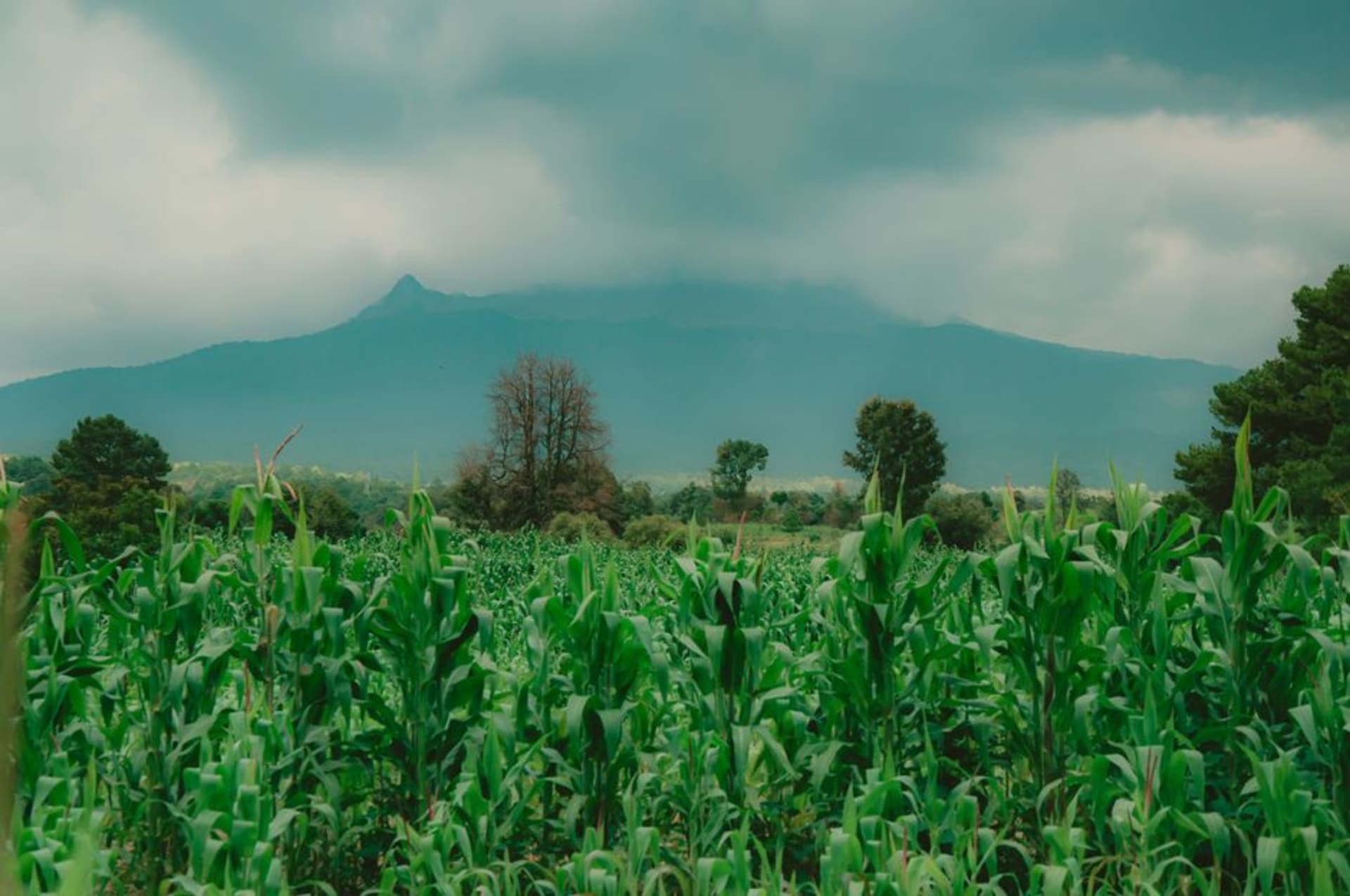
The woman who ran the little kitchen where I ate breakfast in Españita saw me squinting at the horizon and said, without my asking, “Today you’ll see the two of them behind La Malinche. Yesterday, no.” She was right. As the morning mist burned off, the great bulk of La Malinche resolved on the skyline — Tlaxcala’s own volcano, forested and enormous — and then, floating pale and improbable behind its shoulder, the snowy cones of Popocatépetl and Iztaccíhuatl. Three volcanoes from a plastic chair outside a comedor in a town almost nobody visits. I stopped chewing for a second.
Tlaxcala is the smallest state in Mexico and gets overlooked for exactly that reason, and Españita, out in the cool western highlands, gets overlooked even within Tlaxcala. Which suits me. I’d come up from the valley for the air as much as anything — this is high, pine-scented country, genuinely cool, a relief after the heat of the lowlands — and stayed for the particular quiet of a farming town that has no idea it might be worth visiting.
The Volcano on the Horizon
La Malinche dominates everything here, the way a big mountain does when it’s close. The volcano — 4,400-odd meters, forested most of the way up, snow-dusted in the cold months — sits to the east and gives the whole landscape its backdrop, and on clear mornings before the clouds build it’s simply the largest thing you’ve ever stood near. What makes Españita’s view special is the alignment: from up here in the western highlands you look across the farmland toward La Malinche, and on the clearest days the far bigger Popocatépetl and Iztaccíhuatl show themselves beyond it, a whole horizon of volcanoes.
I got in the habit of watching the mountains change through the day. Sharp and blue at dawn, hazing over by noon, then sometimes clearing again at dusk into a hard silhouette against the last light. Popo occasionally trails a plume of ash — it’s very much an active volcano — and one afternoon I watched a thin grey smudge lean off its summit in the wind, thirty-odd kilometers away, and felt the small useful thrill of living on a restless piece of earth.
Pine Woods and Cornfields
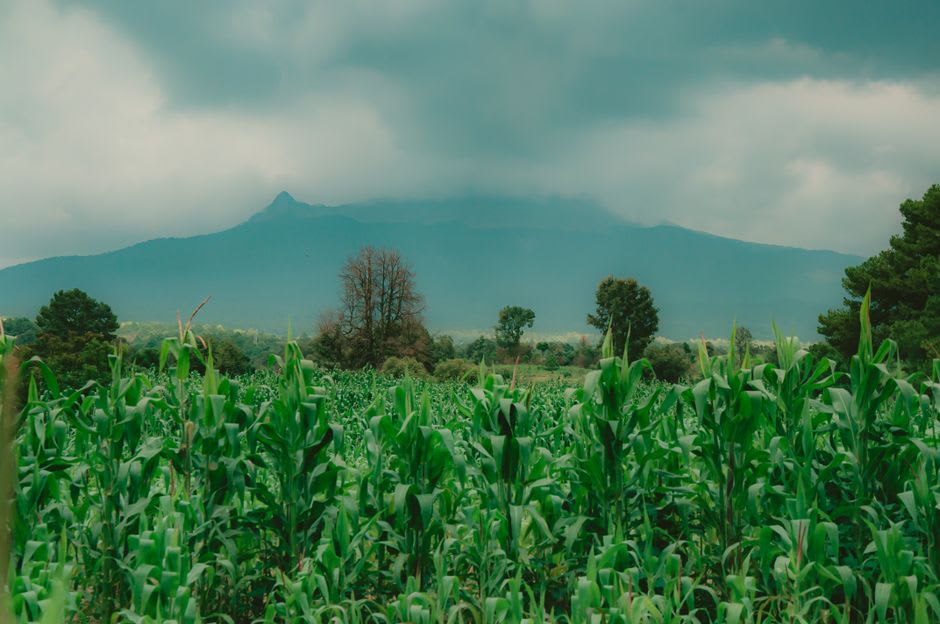
The country immediately around Españita is a gentle patchwork of pine forest and farmland, and I spent my time here mostly walking it. The corn was up when I visited, tall and green, the milpas climbing the low slopes in that irregular hand-worked way that machine agriculture never manages, and above and around them the pine woods holding the higher ground. It smells wonderful — cool resin and turned earth and woodsmoke — and it’s the kind of walking where you keep gaining just enough elevation to get another angle on the volcano.
I met an old man mending a fence at the edge of his cornfield who told me the woods above still had deer, and coyotes he could hear at night, and that the cold this year had come early. He grew the corn the way his father had, he said, and pointed out the different colors coming in on the cobs — blue, red, speckled — the old Tlaxcalan varieties that predate anyone’s memory. He gave me a cob to take, blue and heavy, and I carried it around for two days not quite knowing what to do with it, which felt like the correct amount of ceremony.
The Quiet Town
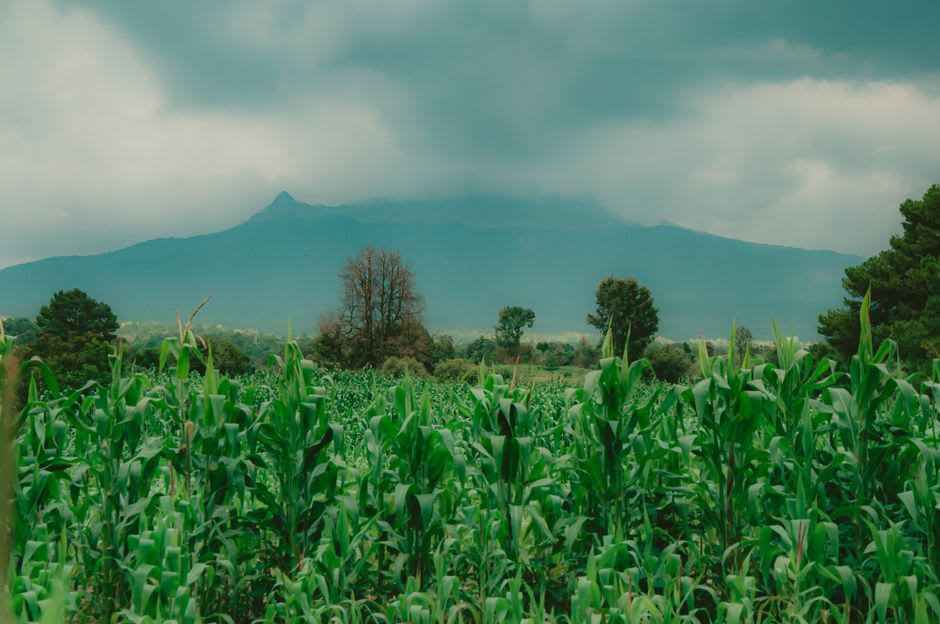
Españita itself is small and slow, a farming town at altitude with a plaza, a church, a few streets that empty out early. There’s nothing to do, in the tourist sense, and that’s precisely the offer. I passed my evenings walking the streets as the woodsmoke rose from the chimneys and the temperature dropped fast the way it does at height, wrapped in the jacket I was glad I’d brought, watching the town fold itself in for the night. Somebody’s radio, a dog, the smell of dinner cooking, the mountains going dark on the horizon.
The cool has shaped the place — this is highland Tlaxcala, closer in feel to a mountain village than to the warm valleys below, and the people dress for it and cook for it, the food heavier and warmer, plenty of things in broth. I ate a bowl of something with mushrooms gathered from the pine woods, the woman explaining they only came after the rains, and it was one of those simple meals in a plain place that I’ll remember longer than most expensive ones. Españita doesn’t try. It just quietly is, at altitude, under the volcanoes, and that turned out to be plenty.
Getting There
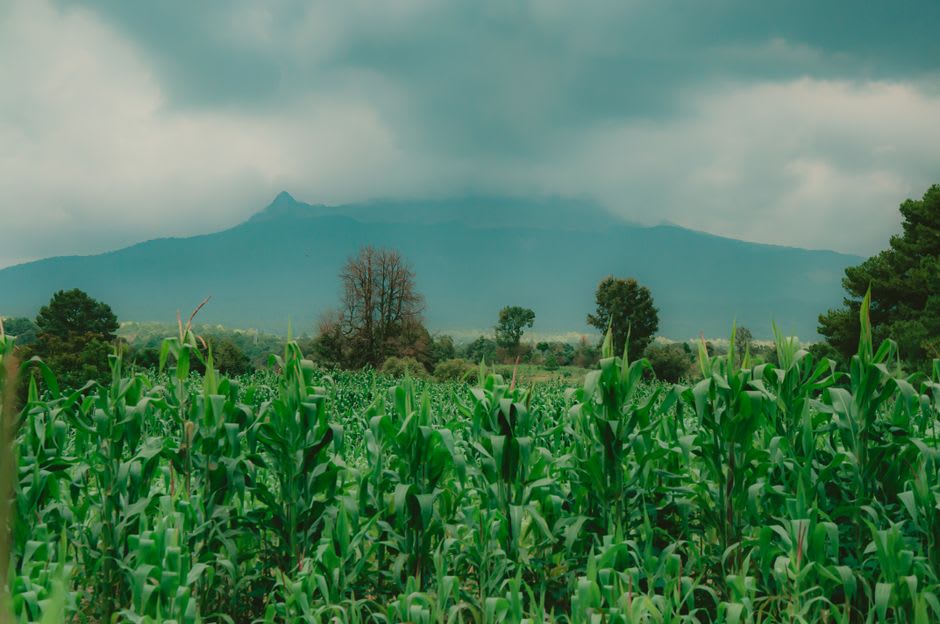
Españita sits in the western highlands of Tlaxcala, reachable by car on the roads that climb west from the state capital and the valley towns, or across from the Puebla side of the volcanoes. It’s a modest drive up into cooler, greener country — allow time to enjoy the ascent and the shifting views of La Malinche. Regional buses connect the town to larger centers in Tlaxcala, though on a country schedule. Come for a clear morning if you can, bring a warm layer for the highland evenings, and time your visit for the dry months when the volcanoes show themselves most reliably.