Chiautempan
"The looms in Chiautempan have been running so long that the town practically keeps time by them."
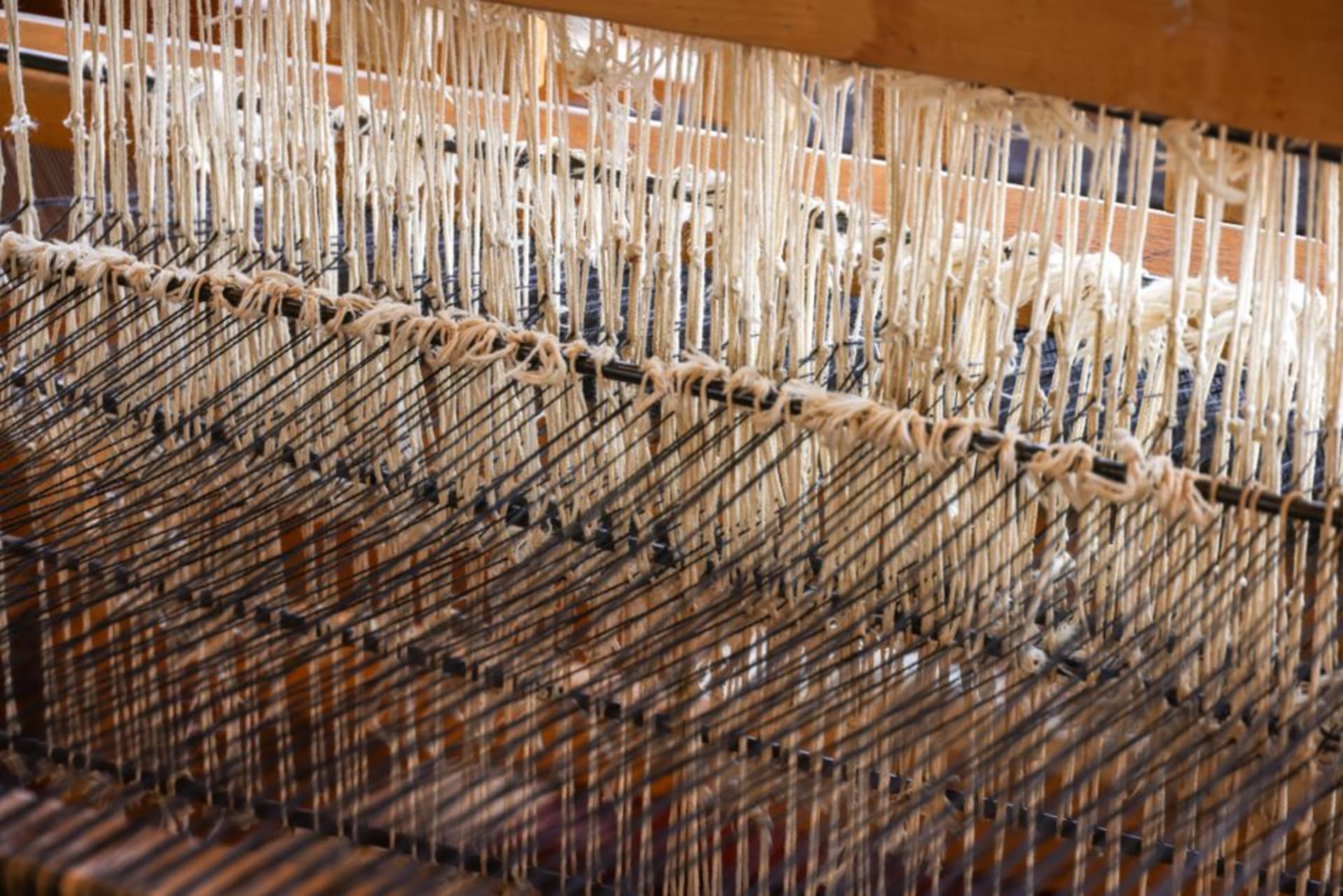
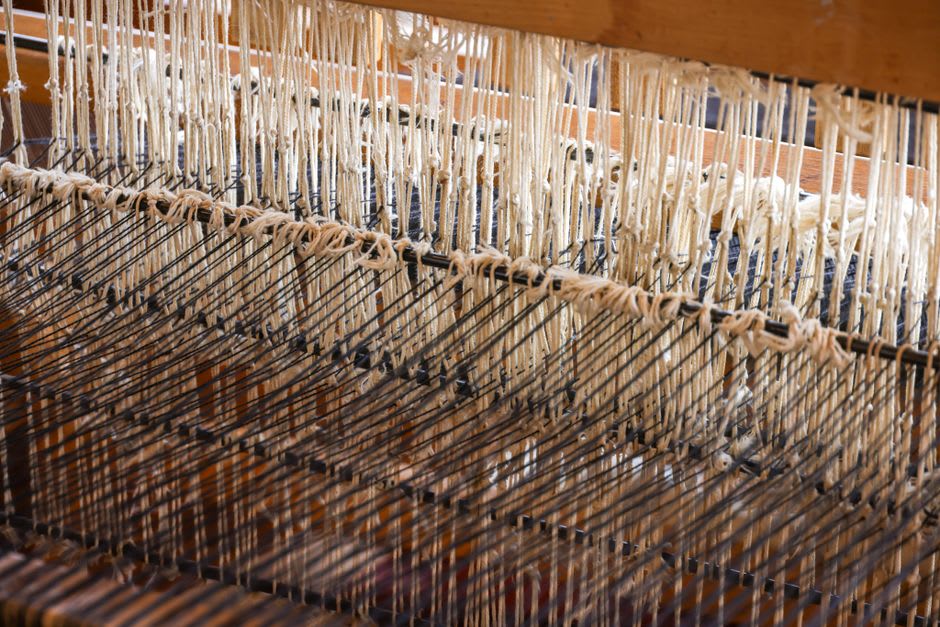
The first thing I bought in Chiautempan was a sarape I still use, a heavy wool thing in bands of rust and cream that the weaver folded with a kind of ceremony before handing it over. He’d made it himself on the loom behind the counter — I could hear it working, that steady wooden clack, while his wife rang me up. When I asked how long he’d been weaving he shrugged and said “always,” which I took to mean since childhood, and then clarified that he meant the family, going back further than anyone bothered to count. In Chiautempan that is a normal answer.
The Wool Capital
Chiautempan sits just east of Tlaxcala city, close enough to be almost a suburb, and it is as close to a spiritual home for Mexican wool weaving as any place I know. The sarape — that thick, banded blanket-poncho that shows up in every romantic idea of Mexico — has one of its deepest roots here, and the town has been producing wool textiles for generations beyond memory. Shops along the main streets are stacked floor to ceiling with blankets, sarapes, rugs, and tablecloths, and behind a good number of them the actual looms are still running, worked by hand. I spent an afternoon going shop to shop, and the pleasure of it was watching the same object at every stage: raw wool, spun yarn, dyed skeins, and finally the finished cloth, all within a few steps of each other. This is not a place that imports its craft to sell to tourists. It makes it, in front of you, the way it always has.
The Basilica and the Volcano
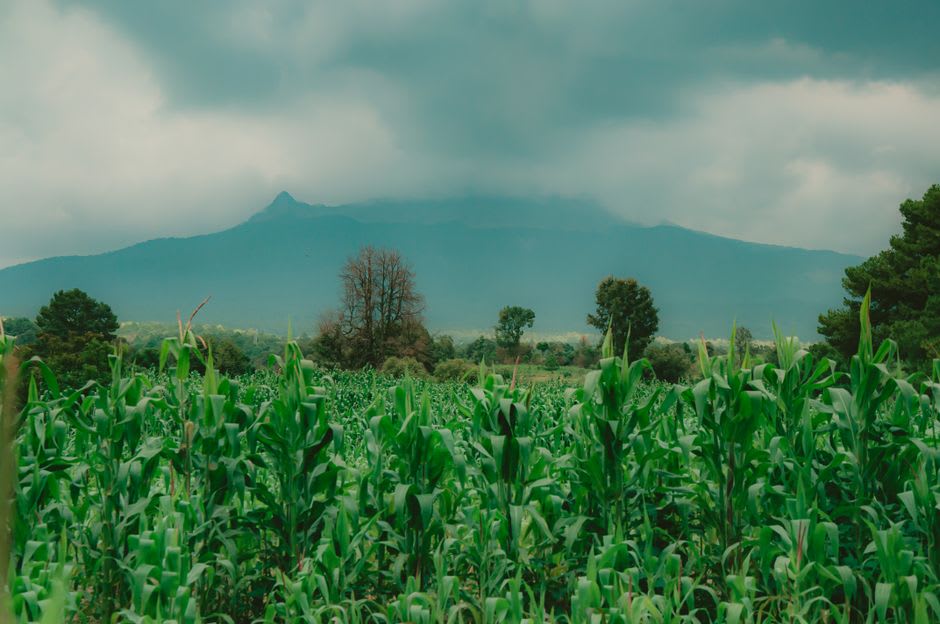
At the heart of town stands the Basílica de Nuestra Señora de la Defensa, a genuinely revered pilgrimage church whose interior stopped me at the door — gilt, carved wood, and the particular hush of a place people travel a long way to reach. I sat in a back pew for a while, not out of devotion but because it was cool and quiet and full of the low murmur of people who clearly meant it. Step back outside and the other presence over Chiautempan makes itself known: La Malinche, the great dormant volcano, filling the eastern sky, its slopes green and folded and often capped in cloud by afternoon. The town lives in its shadow in the literal sense — the light changes when the mountain catches a storm — and the combination of the basilica at your back and the volcano ahead gives the plaza a scale that a small town has no business having.
Market Days and Wool Underfoot
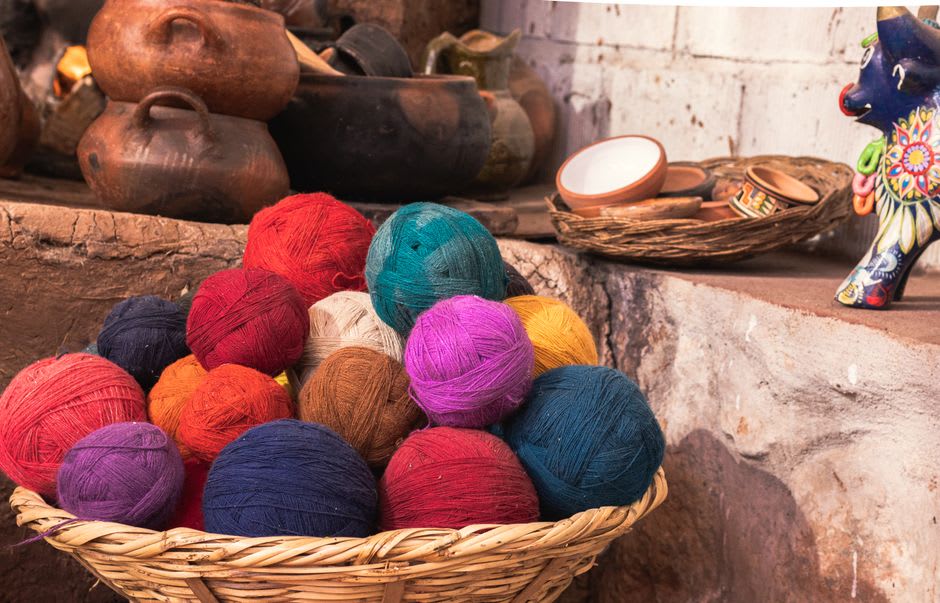
Chiautempan’s market is where the craft meets everyday life. On the busy days the stalls spread out with the usual abundance — produce, dried chiles, herbs, cheese, tools — but woven through it all is wool: blankets folded in towers, yarn in every color, and vendors who’ll quote you a fair price and a tourist price and let you know, with a straight face, which is which. I ate barbacoa at a market stand, wrapped in a tortilla warm off the comal, and watched a woman negotiate for a stack of blankets with the seriousness of someone furnishing a home. There’s a rhythm to it that rewards slowness. I came for a single sarape and left with that, plus a length of woven runner for a table I did not yet own, talked into it entirely by a grandmother who’d decided I needed it.
Getting There
Chiautempan sits about 10 minutes east of Tlaxcala city, and the two are joined by a constant stream of local buses and colectivos — you can be between their central plazas in a quarter of an hour. From Puebla it’s roughly 45 minutes by road, with frequent regional buses. Coming from Mexico City, take a first-class bus to Tlaxcala (around two hours from TAPO with ATAH or Autobuses Tlaxcala) and connect locally. The town is compact and easily walked once you arrive, though the wool shops reward wandering beyond the immediate center.