Apizaco
"The locomotives sit in the open air like sleeping animals. A few have been painted over by muralists who thought the engines needed more color."
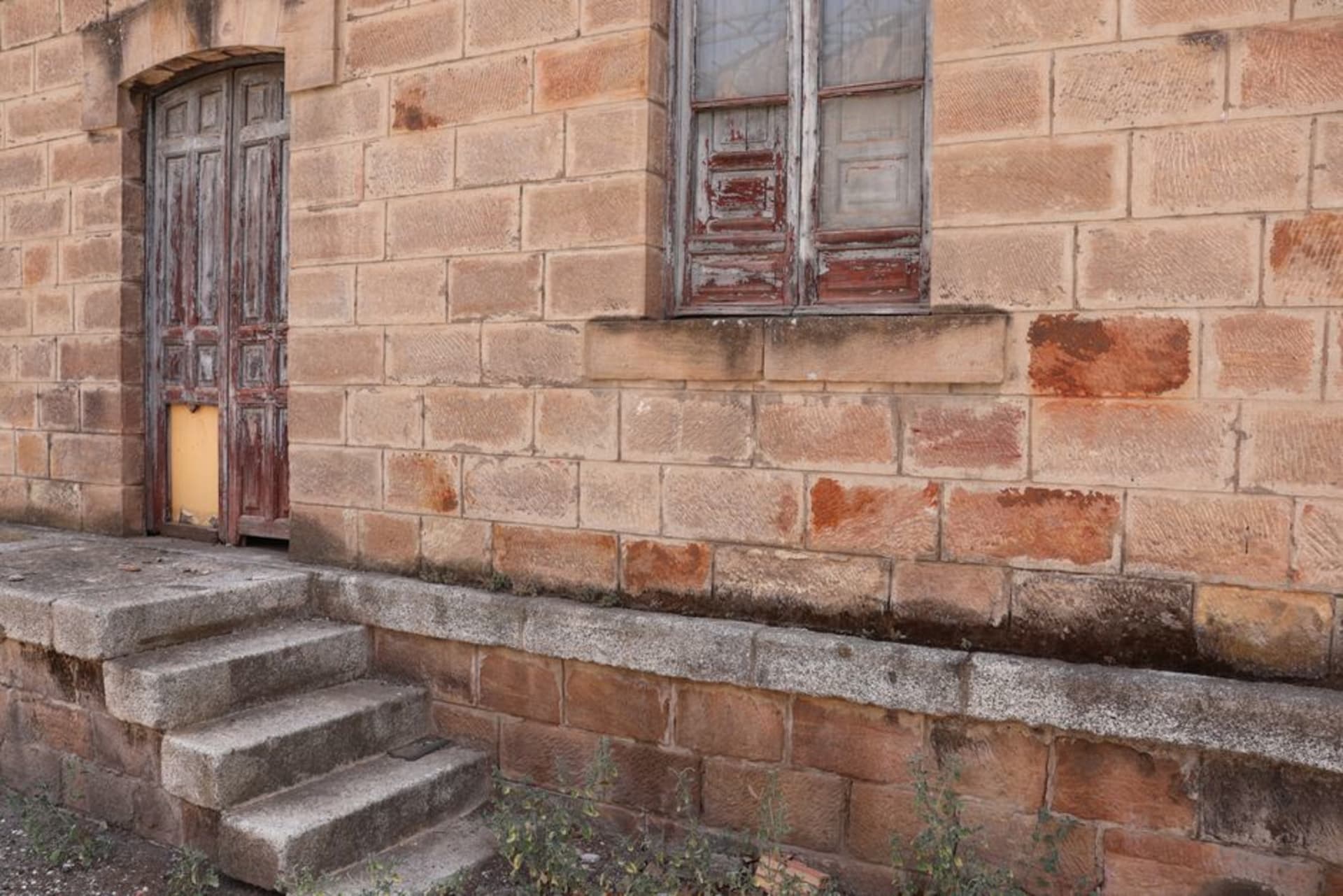
I came to Apizaco on a midweek morning from Tlaxcala city, forty minutes by combi along a flat highway lined with textile warehouses. The place doesn’t announce itself. You step off near the central market, the streets are wide and slightly wind-scraped, and it takes a minute to understand what this town was. Then you see the old station building — brickwork, high windows, a platform long enough to swallow a full freight train — and the scale of things starts to make sense.
The Museo del Ferrocarril
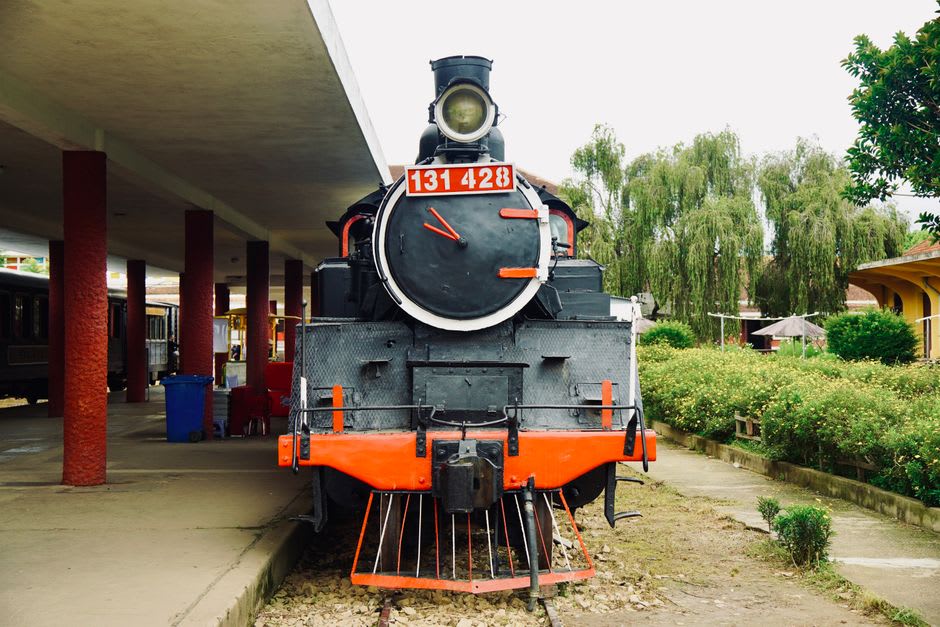
The train museum occupies the grounds behind the original station, and the collection is kept mostly outdoors, which gives it an atmosphere no climate-controlled room could manufacture. Giant Mallet-type steam engines sit on short sections of track, their boilers gone to rust in some spots, freshly repainted in others — at least two have been turned over to muralists, who covered the tenders and cab housings with figures from Tlaxcalan history. I spent a long time walking around a 1920s locomotive from the Ferrocarriles Nacionales de México, reading the maker’s plate, trying to picture the fireman shoveling coal on the Veracruz-to-Mexico City run. Inside a shed, there are smaller exhibits: signal lanterns, telegraphic equipment, timetables printed in a typeface that hasn’t been used since the 1960s. The curator, when I asked about a particular coupling mechanism, produced a laminated photograph from a drawer and talked for twenty minutes without pause.
The Market and the Tortillas Worth Arriving Early For
The Mercado Municipal sits a few blocks from the station and runs at full speed until early afternoon. The thick hand-pressed tortillas served at one of the back stalls come topped with frijoles negros and a tinga de res that has been going since seven in the morning. I ate standing at a counter next to two men in railroad-company vests, which felt appropriate. There is also a row of vendors selling pulque in plastic jugs, drawn from local maguey — the fresh, slightly effervescent kind, not the concentrated stuff. It tastes like fermented pineapple left in a clay pot, which is either appealing or it isn’t. The carnitas stall across the corridor was doing brisk business at barely ten-thirty, because Tlaxcala runs on its own schedule and nobody here waits for a reasonable hour to eat carnitas.

Sunday Around the Zócalo
On weekends the plaza in front of the Presidencia Municipal fills out in the way of small Mexican cities that haven’t yet imported the concept of the artisanal market. Vendors sell esquites with chile de árbol from carts, sliced jicama, corn on the stick. Families sit on iron benches. A brass band rehearses somewhere out of sight, the sound bouncing off the colonial-era church facade without ever fully locating itself. It’s the kind of afternoon that has no agenda, which I find, after a while, to be exactly the right amount of agenda.
Getting There
Combis to Apizaco leave from the Tlaxcala city bus terminal throughout the day; the ride takes roughly forty minutes and costs around twenty pesos. From Mexico City’s TAPO terminal, ADO and AU buses run directly to Apizaco, with a journey time of about ninety minutes. There is no need to rent a car — the museum, market, and plaza are all within a short walk of each other.