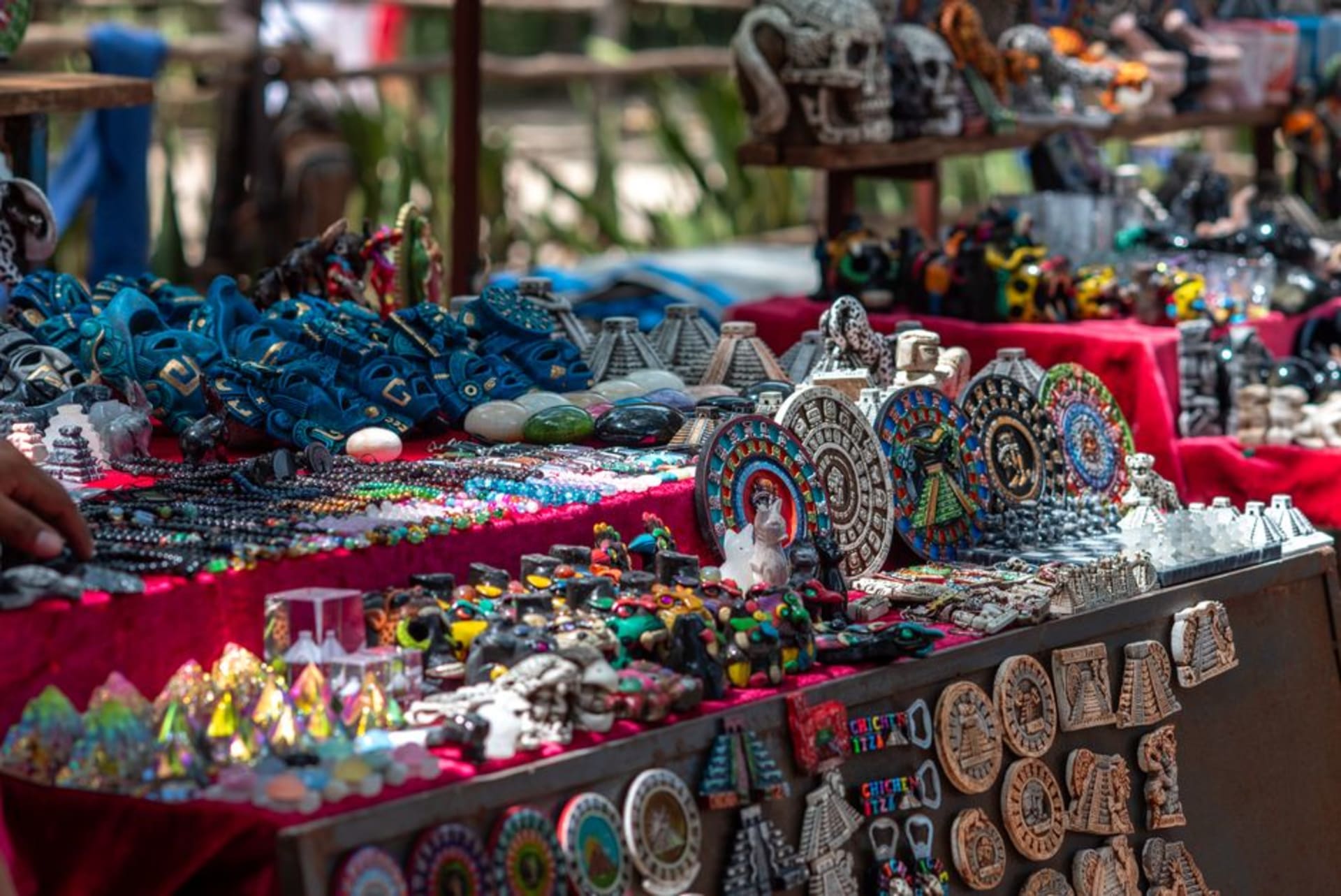
Nacajuca
"I rented a cayuco for an afternoon with no plan — the woman who handed me the paddle said that was exactly how it was supposed to work."
I came to Nacajuca on a Tuesday, fifteen minutes south of Villahermosa on the road toward Cunduacán, which is not long enough to prepare yourself for the shift in register. The land flattens into something almost deltaic — ejidos and rancherías separated not by roads but by channels, sugarcane stands reflected in slow water, the horizon held in place by ceiba trees. A man on a cayuco crossed under the bridge I was standing on without looking up. The municipality has been doing this for centuries: absorbing visitors at its own pace, which is to say, the pace of the water.
The Canals Are Not a Metaphor
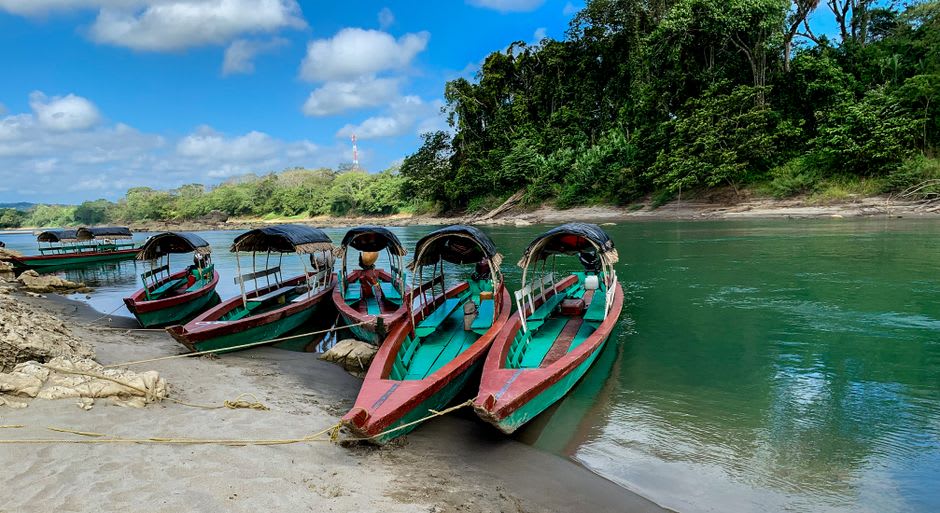
The thing that surprises most people about Nacajuca’s lagoon system is that it is still functional. I mean that practically — the flat-bottomed cayucos you see poled across the Laguna de Pomposú and the connecting channels aren’t staged for photographs. Families use them to reach parcels of land that roads don’t serve; fishermen work the pejelagarto grounds before the morning heats up. I rented one from a woman near the embarcadero off the main road — a short negotiation conducted in my approximate Tabasco Spanish — and spent three hours without a particular destination, which turned out to be the correct approach. The waterway system connects a dozen rancherías, each one arriving quietly: a cluster of palapa rooftops above the treeline, a child watching from a dock, a television going behind a screen door. You understand the geography of the municipality better from water level than from any map.
What the Embroidery Tells You
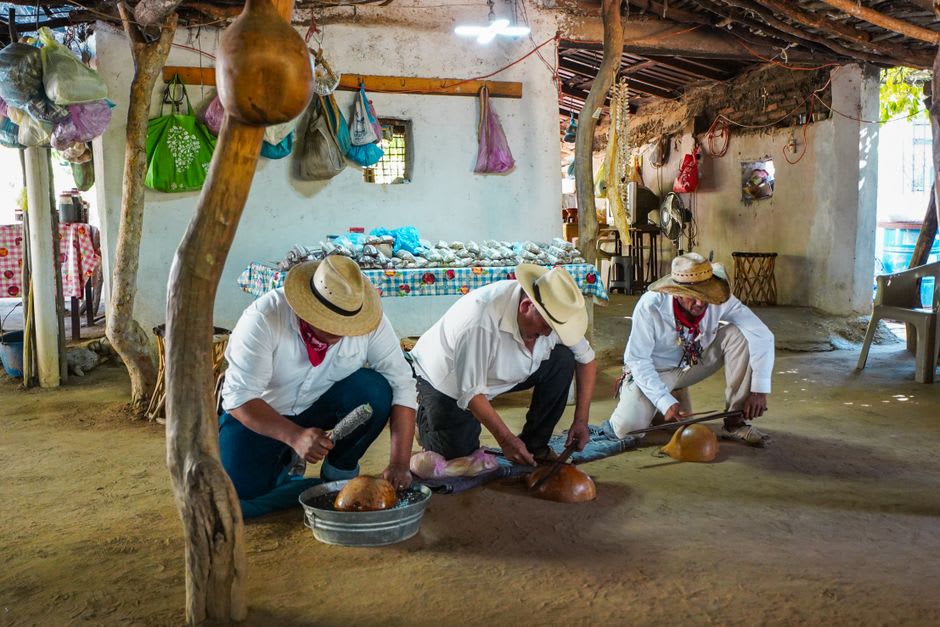
Nacajuca is made up of several rancherías — Guatacalca, Mazateupa, Tucta, Tapotzingo among them — and each one maintains its own embroidery tradition within the broader Chontal Maya textile canon. The differences are not immediately obvious to the uninitiated eye, but the women who do this work will explain if you ask directly: this geometric border is ours, that color sequence belongs to the community across the canal. During the Semana de la Cultura Chontal, held annually in the main plaza of the municipal seat, these distinctions get laid out side by side — embroidered blouses, table linens, huipil forms that have been adapted and adapted again without disappearing. The rest of the year the work happens in kitchens and on porches, which is where I ended up watching one afternoon after accepting a cup of pozol from a woman who had been at her needle since dawn. The design she was working was a repeating diamond in burnt orange and deep blue, which she said her grandmother had taught her, which her grandmother’s grandmother had taught her grandmother.
Pejelagarto and Pozol
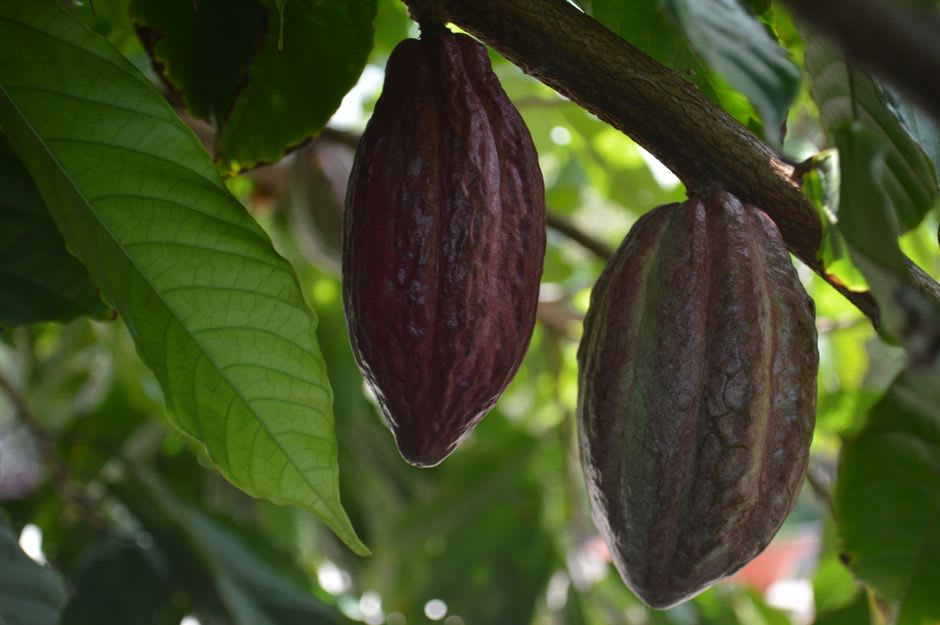
Tabasco’s signature fish shows up across the state, but in Nacajuca it has context — the lagoons are where it comes from. The small comedores near the mercado municipal serve it asado, split and grilled over wood until the prehistoric-looking scales are charred and the white flesh inside pulls easily. Order it with a stack of tortillas and a bowl of frijoles negros de olla and you have the whole meal. Pozol — a cold drink of fermented masa and cacao or corn — is what people drink in this heat, served in a gourd or a repurposed plastic container, either way. It is an acquired taste I have, at this point, fully acquired.
Getting There
Nacajuca sits fifteen minutes south of Villahermosa by car or colectivo; colectivos leave from near the TAPO terminal in Villahermosa throughout the day for a few pesos. The municipality is most navigable between October and February, when the rains have eased and the lagoon levels are full but workable. A cayuco rental is easiest to arrange near the embarcadero on the main road — ask at the small shops along the waterfront.