Yécora
"Everyone warned me the road from Obregón was brutal. Nobody warned me I would arrive somewhere that looked absolutely nothing like Sonora."
I pulled off the MEX-16 somewhere between the last saguaro and the first pine tree and sat with the engine off for a few minutes. Five hours from Ciudad Obregón — winding, shoulderless, occasionally alarming — and at some point the desert had quietly withdrawn and the air had turned cool and resinous and I had stopped watching the road because I kept watching the trees. Yécora itself is three functional blocks and then ranch land in every direction, but I’d booked two nights and stayed four. That ratio keeps repeating in the smaller mountain towns of Mexico, and I never learn.
The Forest That Has No Business Being in Sonora
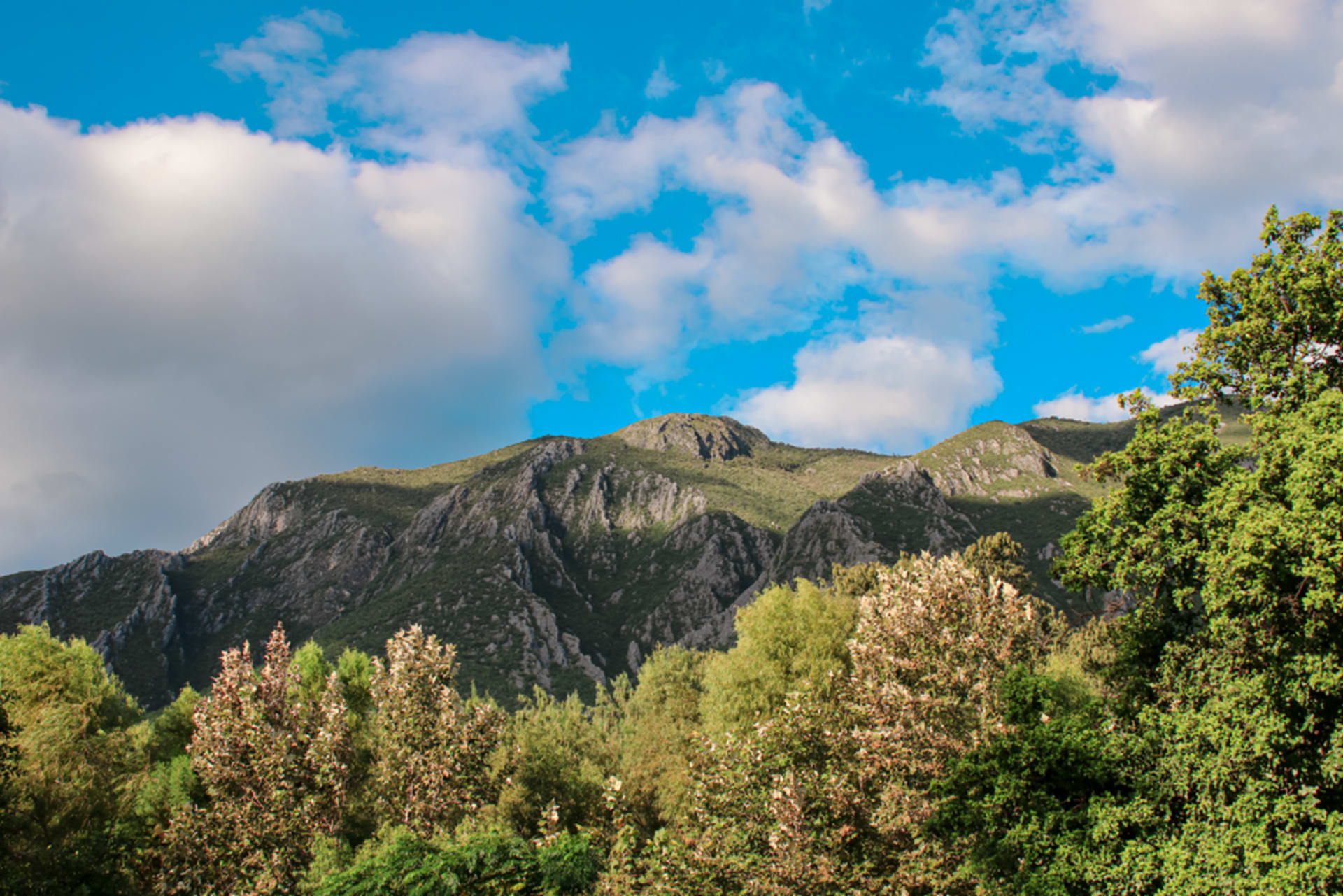
The Sierra Madre Occidental does something strange to Sonora’s reputation up here. You expect that state to mean saguaro flats, punishing heat, and the particular silence of a landscape that has decided you are not its problem. Yécora at 1,800 meters gives you none of that. The pine-oak forests cover every hillside, thick enough that light filters green through the canopy, and in the mornings — even in July — you want a second layer before the sun clears the ridge. I walked the logging roads north of town at first light and saw nobody for two hours. The smell was resin and wet earth after the night’s rain, and the birds were nothing like the coast: trogons, acorn woodpeckers, the indignant scolding of a Mexican jay somewhere in the canopy. More than once I caught myself trying to place the landscape — Chihuahua, maybe, or some corner of New Mexico — before remembering I was still four hours from Hermosillo. The Sierra here produces that disorientation deliberately, or so it feels.

Ranch Cooking at the End of the Road
The town has one central plaza, a pharmacy, and a handful of places to eat that don’t bother with signs. I found my way to a comedor on Calle Benito Juárez where a woman named Rosario served caldo de res with flour tortillas so fresh the steam hadn’t settled yet. That was lunch. Dinner, when the same comedor was dark, sent me to a small taquería near the OXXO where the specialty was machaca — dried, shredded beef rehydrated with egg and green chili — which in Sonora is not the orange, wet mush of Baja beach resorts but something considerably drier and more deliberate. The ranching culture here runs through everything: the cheese comes from nearby ejidos, the beef is local, and nobody seems very interested in ingredients that can’t be raised or grown within sight of these ridgelines. In late summer after the rains, vendors park trucks near the plaza and sell mushrooms gathered from the surrounding forest. Buying a bag and asking how to cook them gets you further than any recipe I could offer.
Walking the Ejido Roads
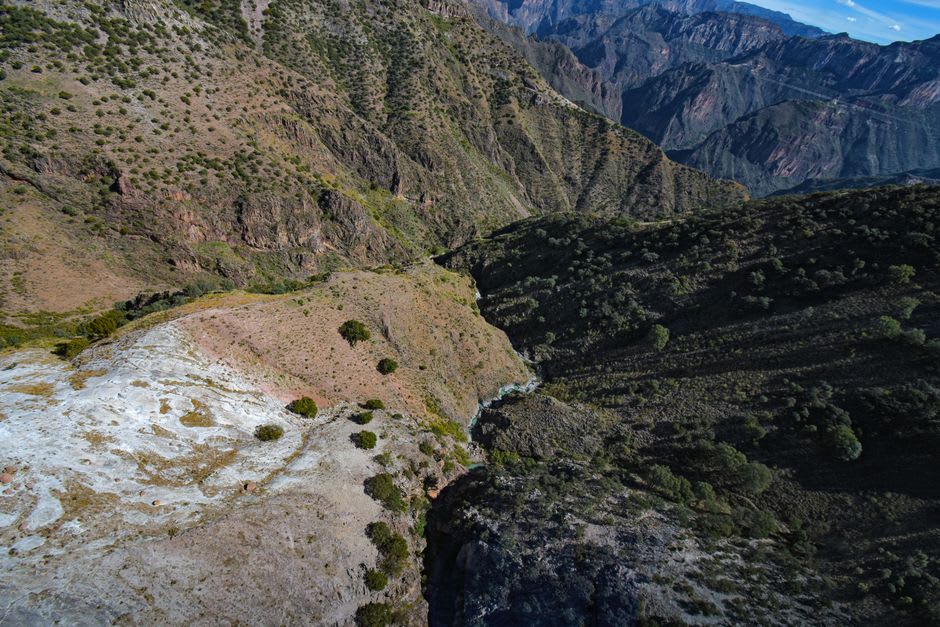
The Yécora River valley is an hour on foot from the center if your shoes don’t mind wet ground. The ejido forestry roads that run north and east of town make reasonable hiking trails — unofficial, unmarked, and entirely worth following, especially in the first two hours after dawn when the mist is still in the trees and the light hasn’t flattened yet. Bring layers regardless of the month. The elevation means evenings cool fast even when afternoons are warm, and a sweater in August is not eccentric here — it is simply correct. I sat on a fallen pine log above town on my last evening watching the light go orange across the ridgeline and felt the specific satisfaction of having found somewhere that required actual effort to reach.

Getting There
Yécora sits on MEX-16, roughly five hours east of Ciudad Obregón and four hours south of Hermosillo by a winding mountain route. Shared combis run from Obregón but the schedule is loose enough to be inconvenient — a rental car from either city makes considerably more sense. The best season is July through September, when the sierra turns green from the summer rains and the heat everywhere else in Sonora becomes genuinely hostile. Come for a night, budget for more.