Ures
"I stopped for gas and stayed three hours. The cathedral earns the detour, but it is the orange groves along the Sonora River that explain why this was once the center of everything."
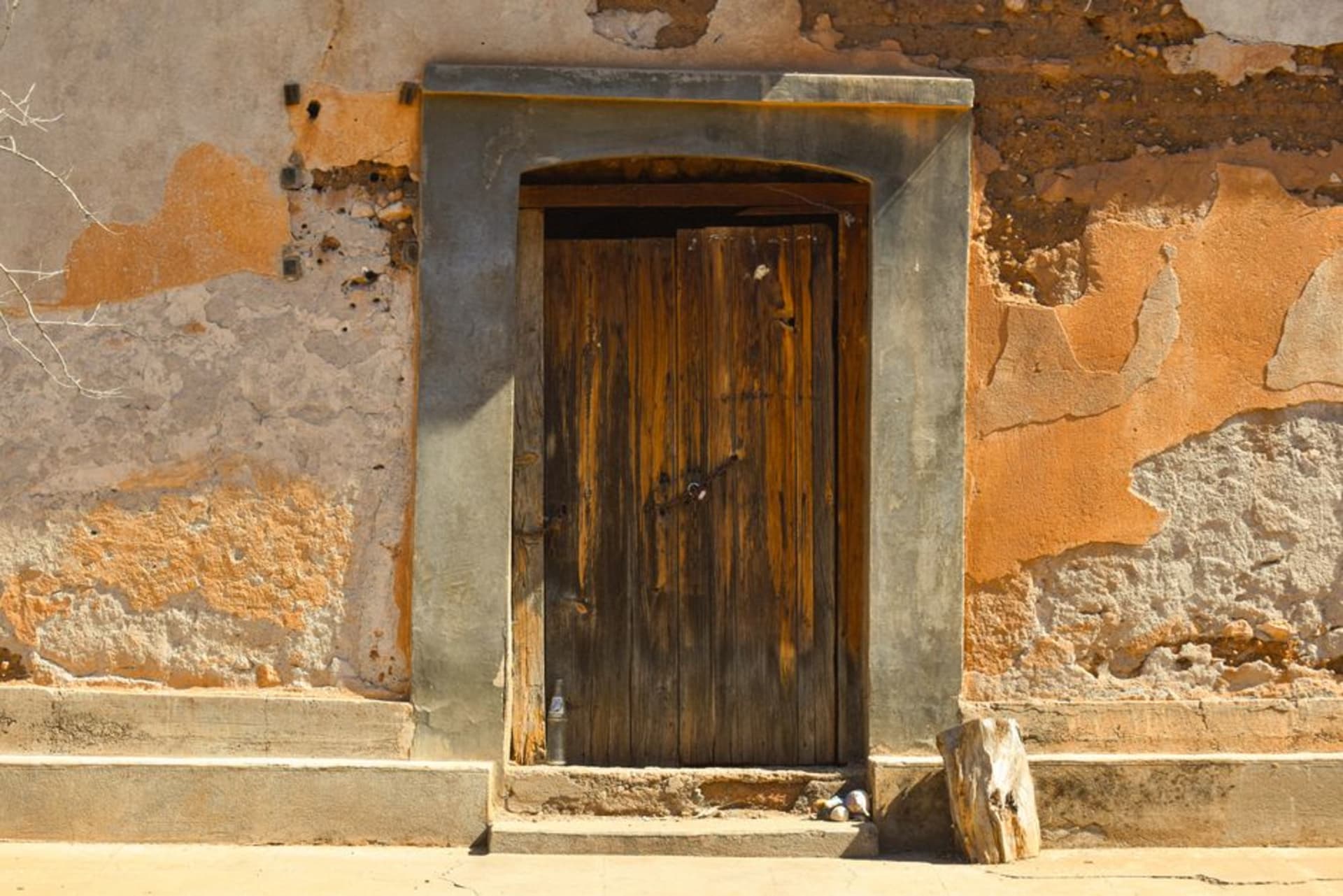
I stopped to fill the tank at the edge of town and ended up walking the plaza for most of an afternoon. Ures has that quality — an unhurried gravity that the bypass highway has done nothing to diminish. This was the capital of Sonora for forty years, and the buildings along the main square carry the memory without performing it: thick adobe walls, shaded portales, a cathedral facade that would look serious in a far larger city. The second thing I noticed, after the silence, was the smell of citrus drifting up from the direction of the river. Both of those things turned out to be the whole story.
A Plaza That Remembers
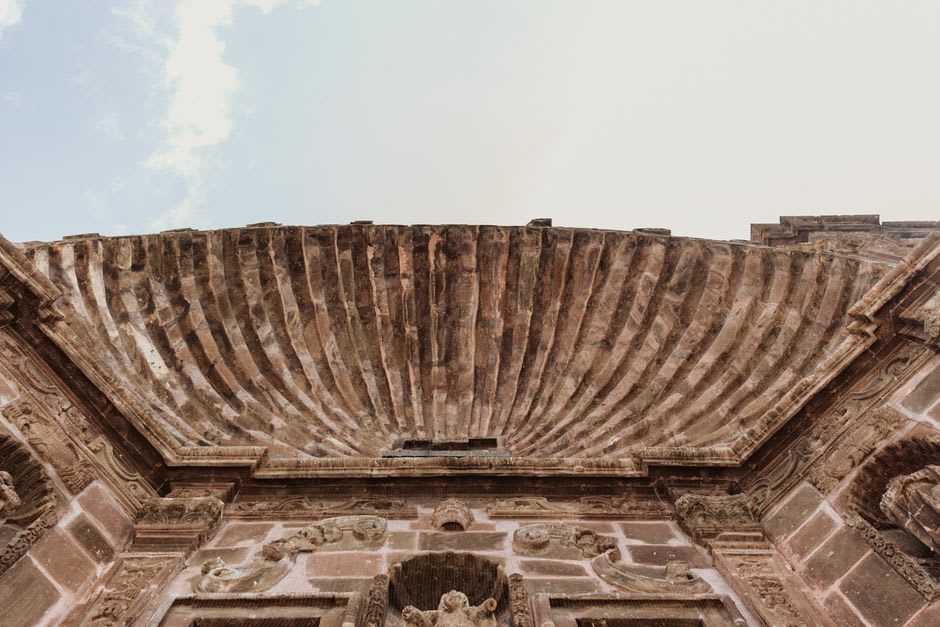
The cathedral anchors the south end of the square, and it is worth stopping in front of it for a moment before going inside. The proportions are formal — government-era proportions, from the period between 1838 and 1879 when Ures was actually running the state. Inside, the light falls the way it does in churches that were built to reassure people who had real things to worry about: slow, diffuse, without drama. A few women were arranged in the pews when I visited on a Wednesday afternoon, and the sacristan moved through a side door without acknowledging me, which felt exactly right. The plaza outside has a central kiosk, the obligatory bust of Benito Juárez, and benches under trees that have been there long enough to provide real shade. I sat for a while and tried to imagine what it looked like in the 1860s, when Ures would have been full of the apparatus of provincial governance. It is easier to imagine now that so little has changed.
The Orchards Below Town
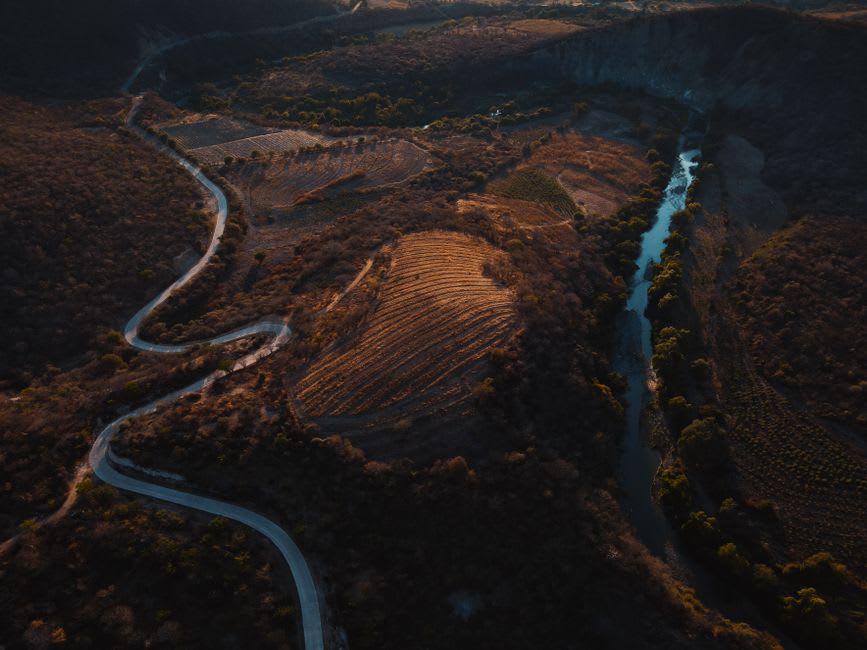
Walk fifteen minutes from the plaza toward the Sonora River and the town gives way to citrus groves that stretch along both banks. In the dry months — which is most months in Sonora — the contrast between the brown hills and the green of the orange trees is almost theatrical. The groves were established long before Ures was capital of anything; they are part of the reason the town existed at all, in a landscape where water and arable flat ground are both scarce. A few men were moving through the rows when I came through in early March, and I could smell the fruit before I could see it. There is a path along the riverbank that does not appear on any map I have found and that runs for at least a kilometer before the terrain forces you back. I went as far as the light allowed and then turned around.
Where to Eat and How Long to Stay
Ures is not set up for tourism, which is honest of it. There are a handful of small restaurants on and around the main square; I ate at one near the corner of the plaza that had no sign visible from the street and served a carne asada plate with flour tortillas made that morning — you can tell by the way they fold without cracking. Sonoran tortillas de harina are in a different category from what you find in Oaxaca or Jalisco, and a meal that includes them is already a reason to stop. Machaca is on the menu at most places, the slow-braised shredded beef the region has been making for centuries. One night is enough to understand Ures; an afternoon is almost enough.
Getting There
Ures sits about seventy kilometers from Hermosillo, the current state capital — roughly an hour by car along a road that is straightforward if unremarkable. Hermosillo has flights from Mexico City and Phoenix. I could not confirm reliable public bus service between the two towns; most people arrive by car. Come between October and March. The Sonoran summer is not gentle, and the heat in Ures has nowhere to hide.