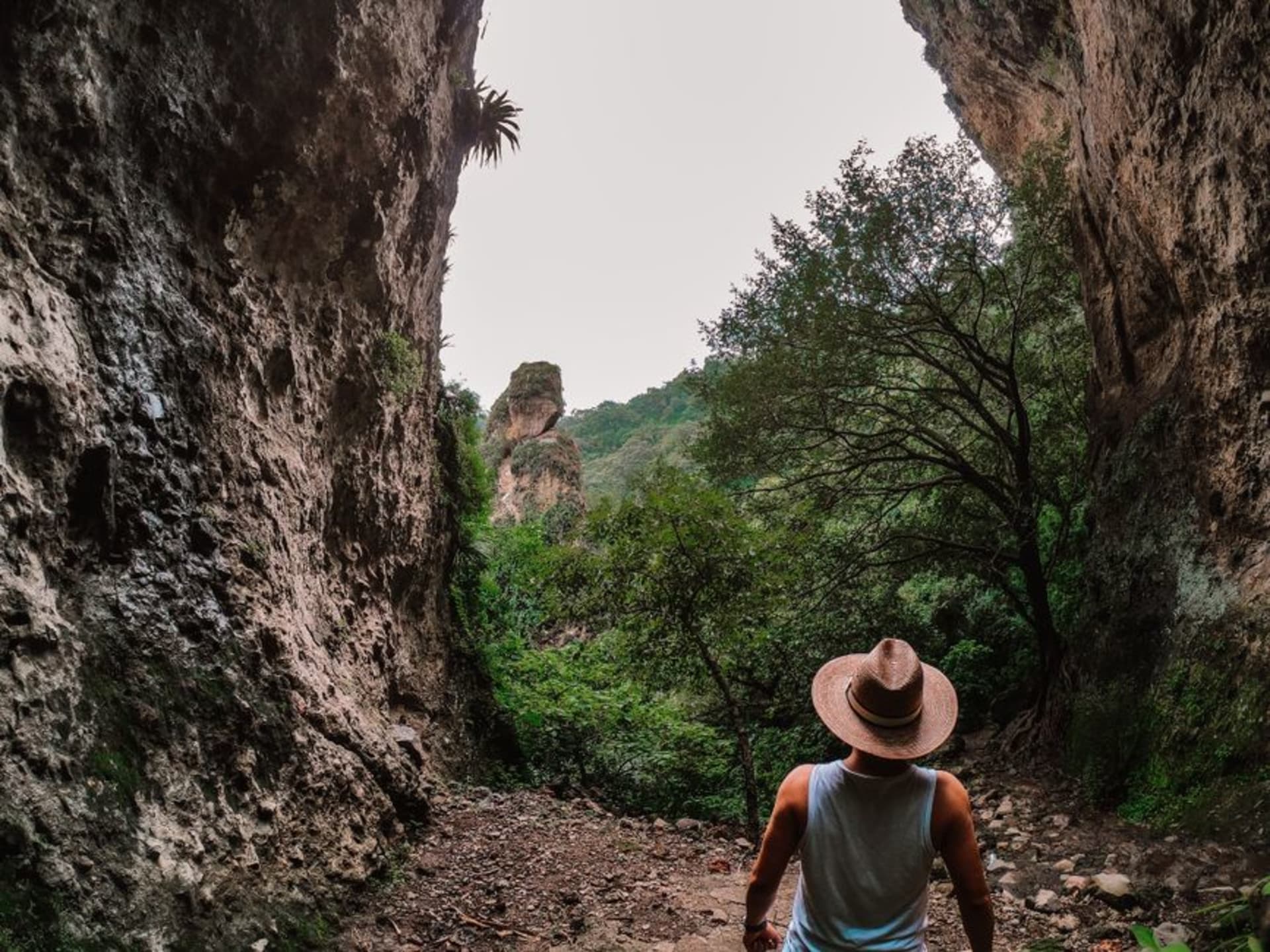
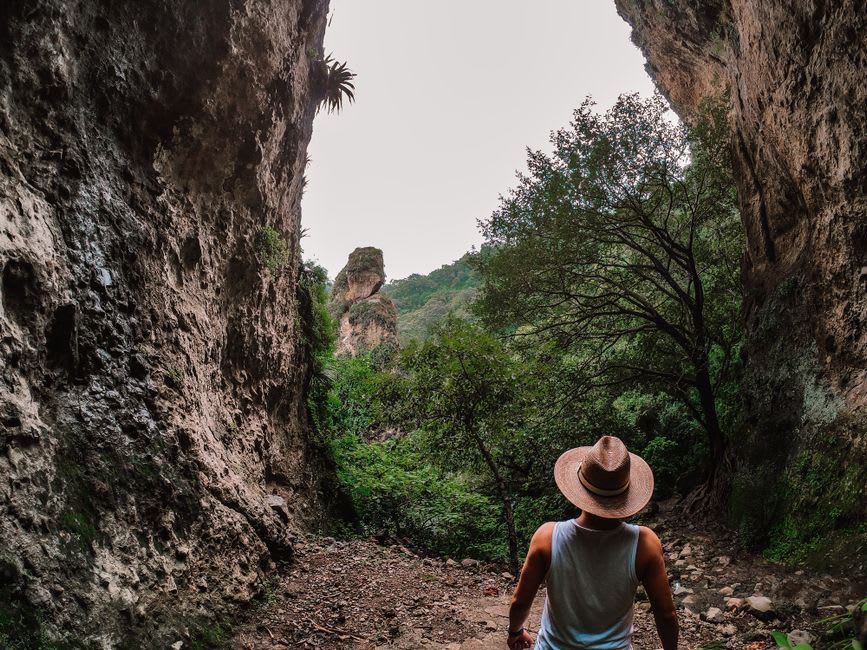
Onavas
"The Pueblo Mágico sign looked almost comedically large against those four blocks of town. But the food was exceptional and the canyon drive in was worth the trip alone."
I pulled off the road at the rim of the canyon to look down at it: a cluster of white walls and a church tower, the Yaqui River a green thread below, mountains folding away in every direction. The Pueblo Mágico sign at the entrance to Onavas is genuinely imposing, the kind of monument you would expect at the gates of San Miguel de Allende. Down the hill, four streets and a church. I laughed. Then I stayed two days.
The Canyon Drive and the River Below
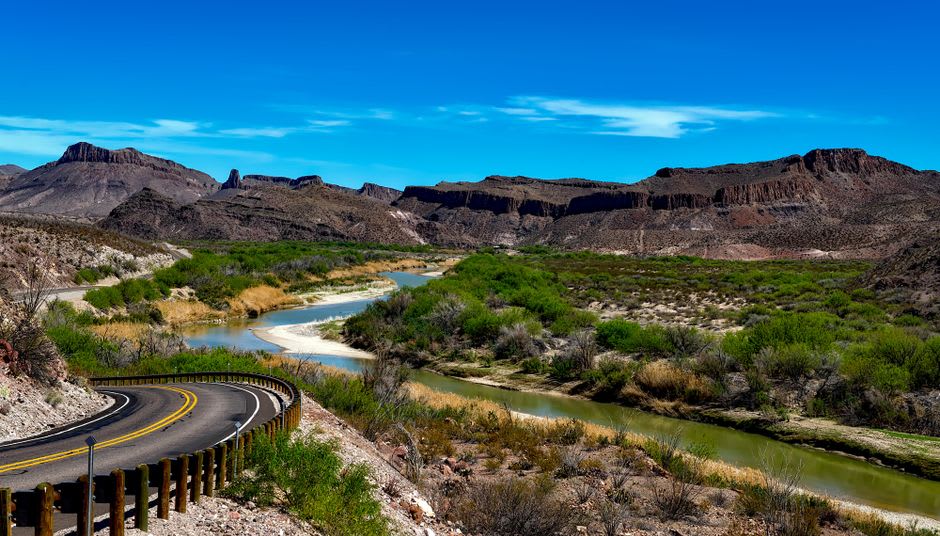
The approach from Hermosillo on the Sonora–Chihuahua federal road is the first thing to understand about Onavas. You descend into the Yaqui River canyon on a road that switchbacks through volcanic rock and desert scrub, and by the time you reach the valley floor the altitude has dropped enough that the air feels different — cooler, slightly humid, the river running clear in the dry season. I parked on the bank and ate a caldo de res from a pot that had been on the fire since morning, handed to me in a clay bowl by a woman whose family has lived here for at least four generations. The broth was astonishing — rendered-down bone and chili and cilantro, nothing more. The canyon walls caught the late sun and turned amber. It was the kind of meal that makes you understand why someone would choose to stay in a place this small.
Semana Santa and the Fariseos
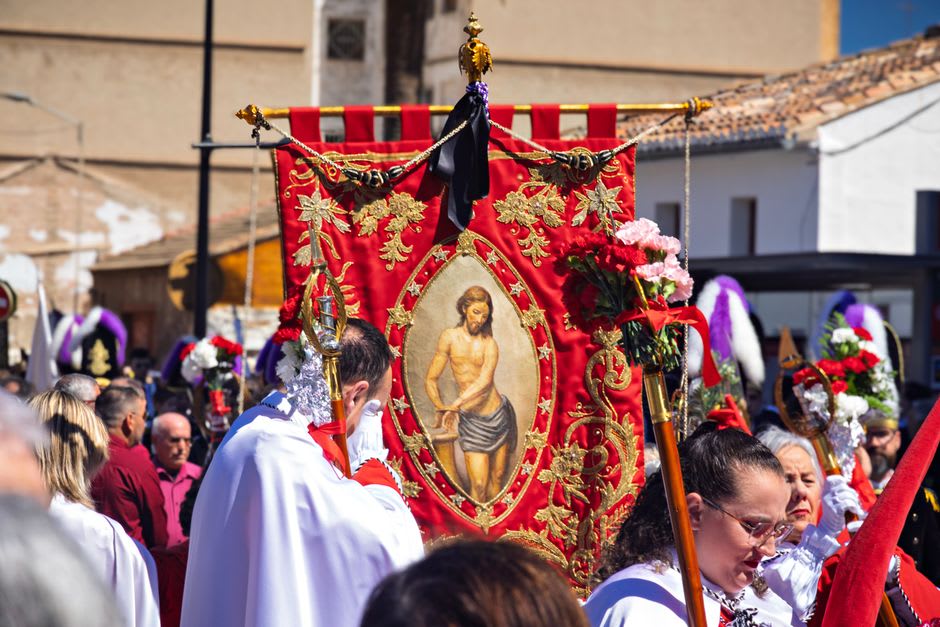
The thing nobody tells you about Semana Santa in Onavas is that it does not feel performed. The Yaqui communities of eastern Sonora maintain a Holy Week tradition rooted in a form of Christianity that was shaped here over three centuries, layered over pre-contact ceremony in ways that no one fully disentangles — including the participants. The Fariseos, masked figures in elaborate regalia who represent the forces pursuing Christ through the week, move through the streets of Onavas in processions that start well before dawn and continue past midnight. I watched from the churchyard on Good Friday, pressed against the wall with a handful of other outsiders, and felt the particular discomfort of witnessing something that is not a spectacle. This is a community at ritual. The correct response is silence and respect, and a willingness to leave when you are asked to.
The Town Itself
Outside of Holy Week, Onavas is a place where very little is organized for the visitor, which is exactly the point. There is a small plaza, a church that opens for morning Mass, a couple of tiendas where you can buy beer and cheese and tortillas made that morning. I spent an afternoon walking the river with a local guide whose name I did not catch properly — he corrected my pronunciation twice and then gave up — who showed me petroglyphs on the canyon walls upstream. They are not signposted. You need someone who knows the river.
Getting There
Onavas is roughly 250 kilometers southeast of Hermosillo on Federal Highway 16 toward Ciudad Obregón, then south on a state road into the canyon. The drive from Hermosillo takes around three hours. There is no formal accommodation in town — ask at the plaza about casas de huéspedes, or camp along the river. Come with supplies.