
Hermosillo
"Everyone passes through Hermosillo. Almost no one stops long enough to eat properly. Their loss."
I came through on the way to Bahía Kino and stayed two nights longer than I planned. That happens when you eat machaca con huevo at seven in the morning at the Mercado Municipal and realize the city you wrote off as a truck stop is actually feeding people extraordinarily well. Hermosillo is not a place that performs for visitors. It has its own rhythm — unhurried, confident, a little indifferent to whether you notice it — and that suits me fine.
The Mercado Municipal and the Food That Built Sonora
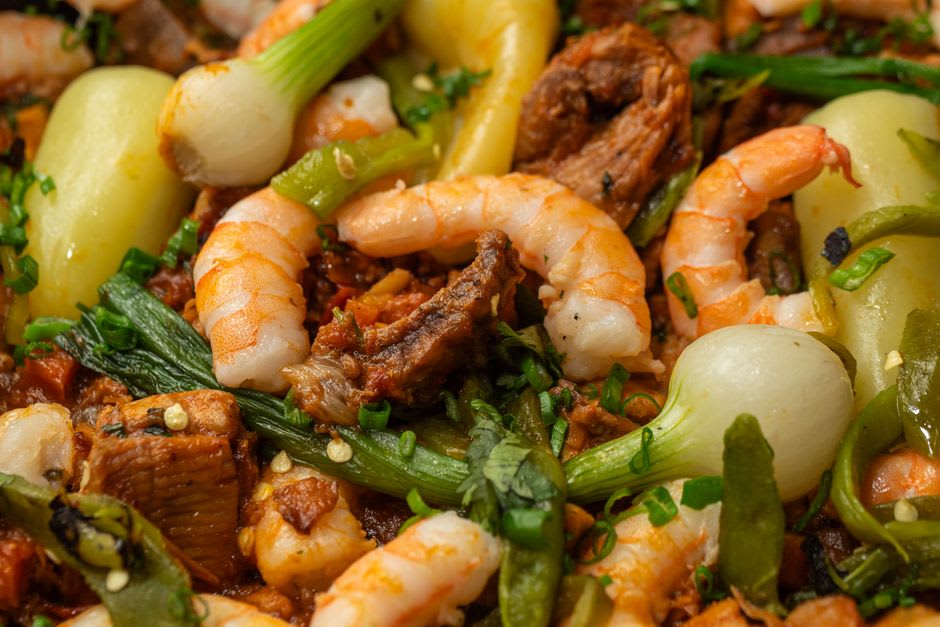
The thing nobody tells you about Sonoran food is how much it revolves around beef, and I mean this as a compliment. The region has been ranching country for centuries and the cooking reflects that with no apology. At the Mercado Municipal on Avenida Elías Calles, the breakfast stalls open before the sun clears the hills. I ordered machaca con huevo — dried shredded beef rehydrated and scrambled with eggs, chiles, and tomato — and ate it with flour tortillas that came off a comal while I watched the market fill up around me. Caldo de queso, Sonora’s quietly excellent potato and cheese soup made with the local white cheese, showed up at the next stall over. I had a bowl of that too. The vendors here are not running tourist operations. They are cooking the same things their grandmothers cooked, which is exactly why it’s worth arriving hungry.
Cerro de la Campana
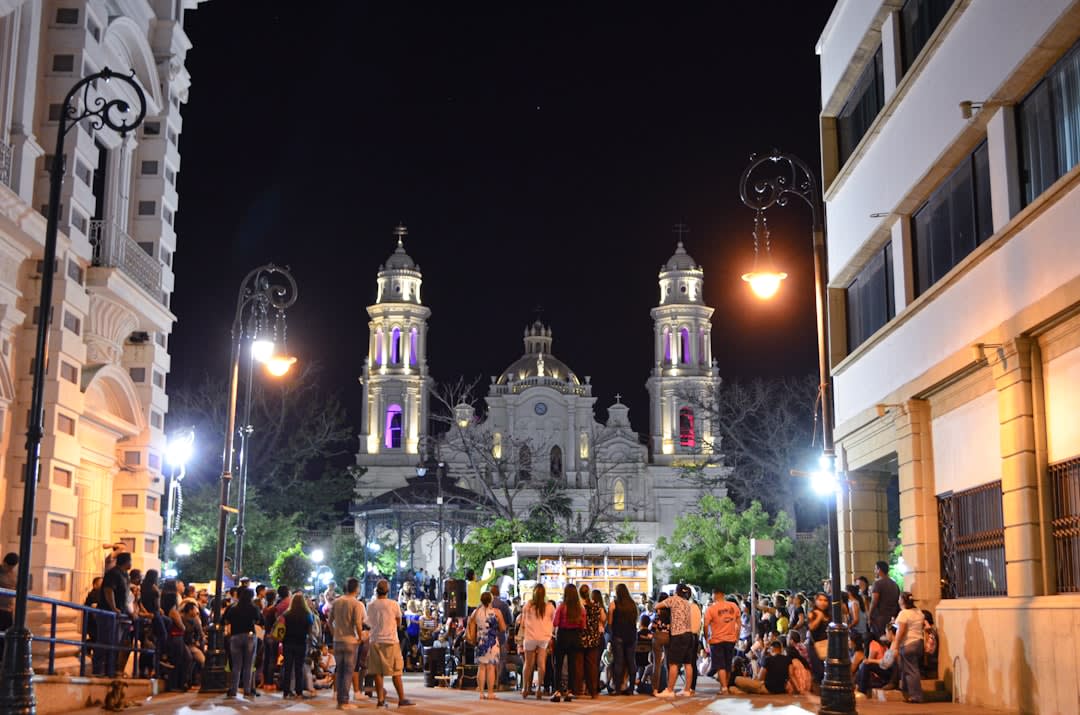
The hill that rises at the western edge of the city is not a difficult climb — maybe forty minutes to the top, more if you go in the middle of the afternoon in July, which I do not recommend from personal experience. I went at six in the evening, when the heat had backed off enough to make the ascent feel like a choice rather than a punishment. From the summit you get the full sprawl of Hermosillo laid out below: the cathedral dome, the university campus, the newer developments spreading south toward the highway. It is the kind of view that recalibrates a city in your mind — you understand its actual scale, which is larger than the center suggests, and its relationship to the surrounding desert, which is immediate and total.
The Regional Museum of Sonora
The Museo Regional de Sonora occupies a building that was, in its previous life, the state penitentiary. This matters because the architecture is still very much a penitentiary — thick walls, long corridors, a courtyard that once held cells — and walking through an account of Sonoran history inside it gives the whole experience a particular weight. The pre-Hispanic collections covering the Seri and Yaqui peoples are handled with more care than I expected. I spent two hours here and left knowing more about this corner of Mexico than I did about most places I’ve visited longer.
Getting There
Hermosillo’s General Ignacio Pesqueira García Airport connects to Mexico City, Guadalajara, and several US cities. By road, it sits on Federal Highway 15, about four hours south of Nogales on the US border and three hours north of Guaymas. The bus terminal on Boulevard Transversal has frequent service from both directions.