Guaymas
"The shrimp boats were unloading when I sat down to eat shrimp, which seemed like the correct sequence of events."
The resort zone of San Carlos sits about twenty kilometers north of Guaymas — condos, sport-fishing charters, the kind of development that arrives when a bay is exceptionally beautiful and the road from somewhere larger is paved. San Carlos has absorbed a substantial portion of what might otherwise have been Guaymas’s tourist attention, which has left Guaymas to be itself. I find this arrangement agreeable. I drove past San Carlos’s condos and kept going south.
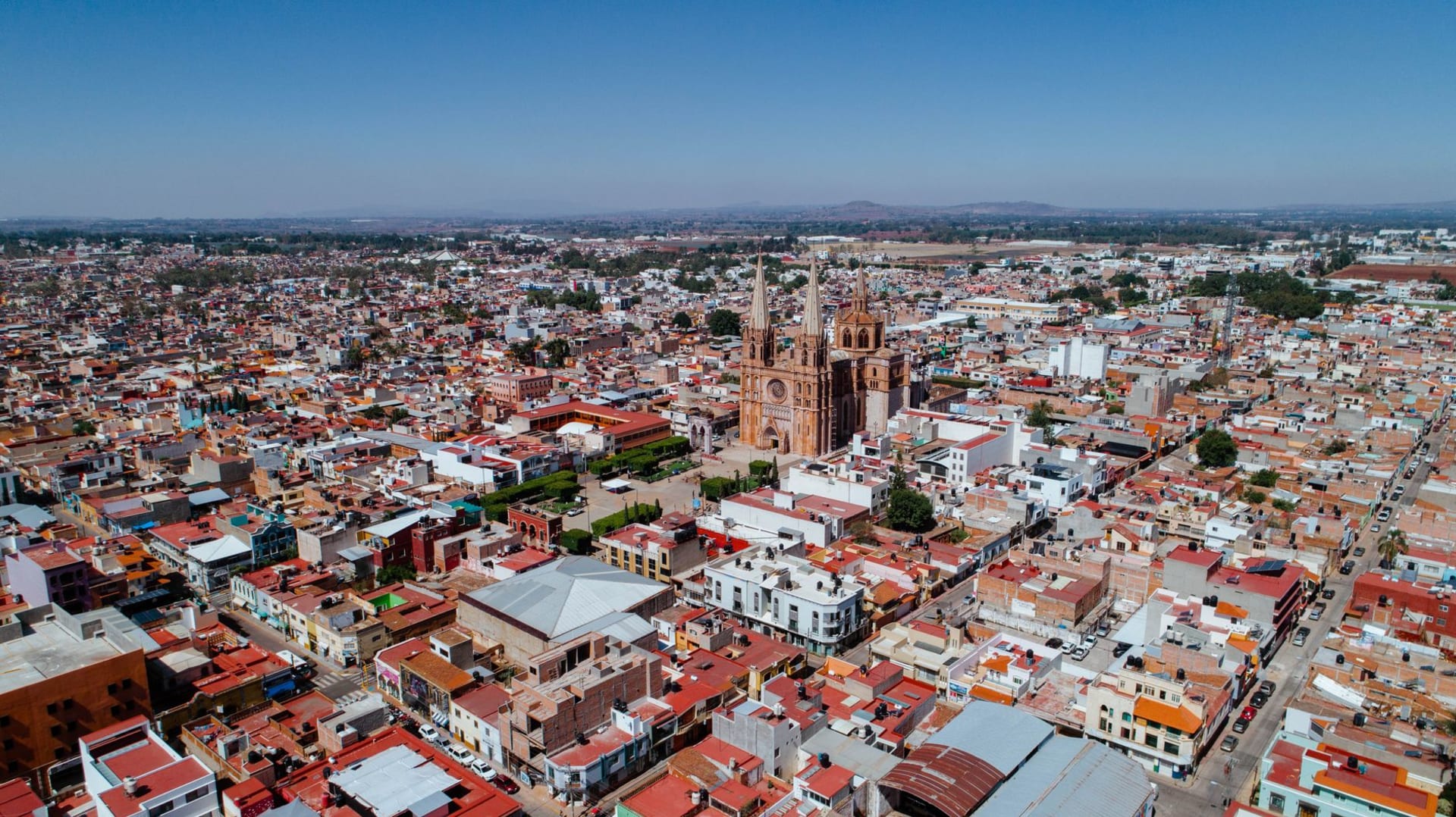
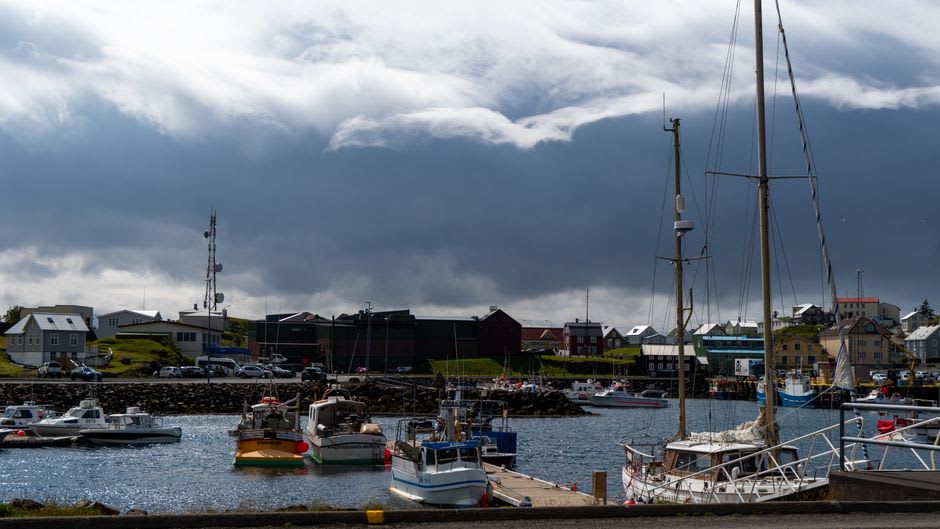
Guaymas is a port city. The harbor is working — shrimp boats, commercial fishing vessels, a ferry terminal for the service to Santa Rosalía across the Cortez. The colonial center is modest but intact: a few blocks of nineteenth-century civic buildings, a cathedral, a main plaza with the old trees and the benches. The city is about 130,000 people, runs on fishing and the naval base and some industry, and does not particularly orient itself around being visited.
The Shrimp
The shrimp of the Sea of Cortez is specific in a way that is difficult to explain to someone who has not eaten it. The Cortez is extraordinarily productive — the upwelling of cold nutrient-rich water creates one of the most biologically dense bodies of water on earth — and the shrimp that come from it are large, firm, and sweet in a way that is not what “sweet” usually means applied to shrimp. It’s more like sweetness as a structural quality, present in the flesh itself rather than added by a sauce.
I ate ceviche at a seafood restaurant on the harbor, chosen because the fishing boats were unloading fifty meters away and I felt this constituted a reasonable provenance argument. The ceviche was made with shrimp that had been cooked briefly and then chilled — not the raw-citrus-cured style of Pacific Mexico but something more deliberately cooked while maintaining the texture of freshness. Lime, tomato, cilantro, serrano, a little white onion. Everything in service of the shrimp, nothing attempting to improve on it.
Then I ordered camarones a la diabla to compare: shrimp in a dark red chile sauce, fiery, sweet underneath the heat in the way the best chile sauces are sweet. The waiter suggested the machaca de camarón — dried and shredded shrimp, reconstituted and cooked with tomato and chile and egg, a breakfast preparation that they still serve at lunch — and I ate a small order of that too, which turned out to be the most interesting thing on the table. Machaca de camarón has a concentrated intensity that fresh shrimp doesn’t — the drying collapses the flavor down to something denser.

Semana Santa and the Yaqui
Guaymas’s Semana Santa is one of the largest celebrations in northwestern Mexico, and what makes it exceptional is the participation of Yaqui ceremonial groups who have maintained Easter rituals in this region since the colonial period. The Yaqui have been in the Sonoran coastal zone for centuries, and their relationship to Mexican Catholicism is not simple — it is a synthesis that absorbed Catholic liturgical time into a ceremonial calendar that predated it, producing something that is neither fully Catholic nor fully pre-Columbian but distinctly Yaqui.
The Fariseos and Chapayekas, masked figures who represent the forces of evil during Holy Week, patrol the streets in elaborate masked costumes and engage in theatrical confrontations with the Soldiers of Christ. The rituals extend over multiple days and involve choreographed dances, processions, and ceremonies that the community has maintained with remarkable continuity. This is not a performance for outside visitors — it is a living religious practice that happens to be observable. The distinction matters.
I have not been in Guaymas for Semana Santa. I know about it from a Yaqui woman I met in Hermosillo who explained it with the seriousness of someone describing something central to who she is. I intend to return for it.
The Port and the Cortez
The harbor walk is the thing to do in the afternoon — east along the waterfront past the ferry terminal, the fish market, the municipal pier where men fish with lines off the edge. The Sea of Cortez here has a specific quality of light in the afternoon: it is very blue, the hills on the far side are very dry and brown, and the contrast is sharp enough that it almost looks like a postcard but doesn’t quite, because postcard light is static and this light moves.
Guaymas is 130 kilometers south of Hermosillo on Route 15, about 90 minutes by car. Bus connections from Hermosillo and Nogales run regularly. Stay near the colonial center or the harbor rather than following the resort signs toward San Carlos, unless resort infrastructure is specifically what you want. It isn’t, or you would have booked the condo.