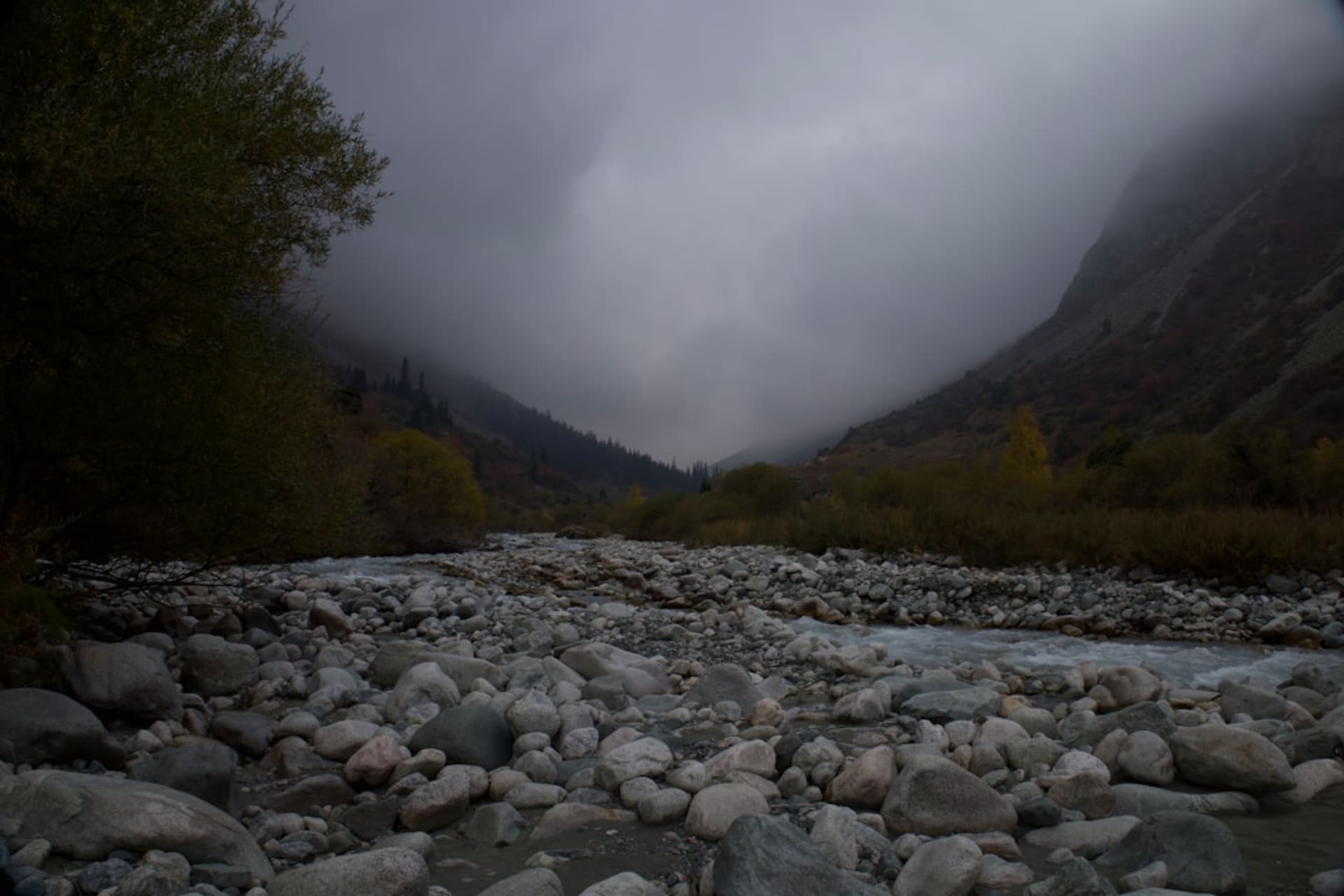
Cucurpe
"Cucurpe is where the paved road hesitates and the sierra begins — which is exactly when Sonora gets interesting."
I pulled in around four in the afternoon, after the asphalt had turned to gravel somewhere south of Banamichi and my phone had stopped pretending it had signal. Cucurpe is the last of the Ruta Rio Sonora towns heading north, and it has the feel of a place that knows it. There were three dogs asleep in the middle of the main street and no particular reason to disturb them. I parked and sat on a low wall for a while. The silence was the kind that city people first mistake for emptiness. It took me maybe twenty minutes to understand it was actually just quiet.
The Mission and What Remains of It
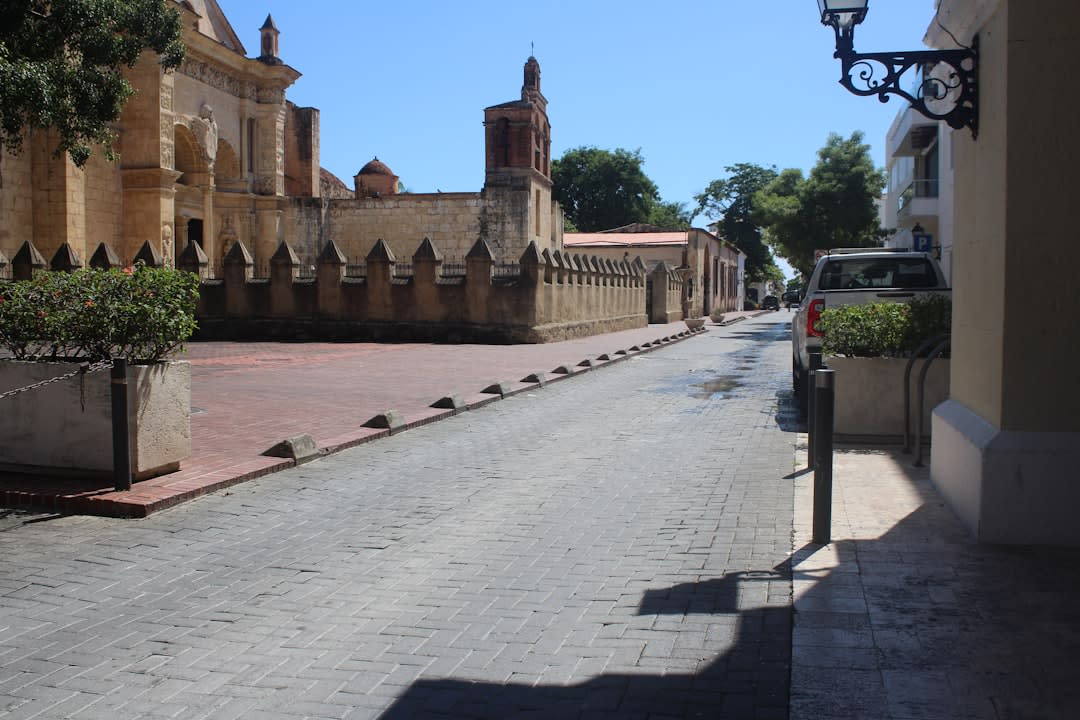
The Misión de San Pedro y San Pablo de Cucurpe was founded by the Jesuits in the late seventeenth century, and what stands today is a mix of partial ruin and ongoing parish life — which is more interesting than a pristine restoration would be. One wall has a crack running floor to roofline that nobody has rushed to fill. The interior holds a few saints’ statues, flowers left by someone that morning, and a quality of light through old windows that changes completely depending on the hour. I went back twice: once at five in the afternoon when it was amber and still, and once just after sunrise when it was almost white. The attendant, an older woman who seemed mildly amused by my interest in the ceiling, told me the mission had served the Opata people and that descendants of those families still live in the surrounding hills. That felt worth sitting with for a while.
The River and the Hour Before Dusk
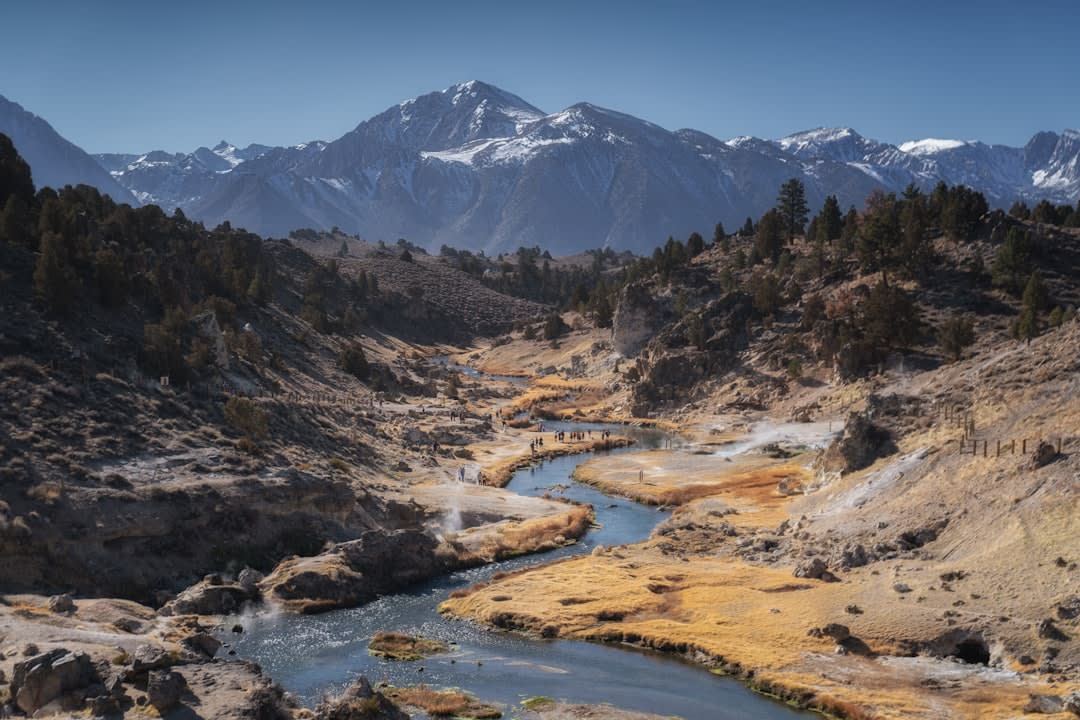
The Rio Sonora at Cucurpe is narrow, clear in the dry season, and lined with cottonwoods that go yellow in November. I walked south along the bank for about forty minutes without planning to and then turned around. There is a simplicity to the landscape here that requires no justification — low sierra walls on both sides, the river threading between them, the occasional heron. A local man I passed was watering a small cornfield by hand, redirecting flow with a shovel, the same way people have been doing it in this valley for a very long time. He nodded. I nodded. Neither of us felt the need to add anything.
Staying and Eating
Cucurpe has one small tienda where I bought a cold Coca-Cola and a bag of cacahuates con chile, and the woman behind the counter told me there was someone who rented rooms on the north edge of town — she texted ahead without being asked. The room was clean, the mattress was fine, and I could hear the river. Dinner was beans refried in lard, corn tortillas made that afternoon, and a piece of machaca that came with no further explanation. It was exactly right.
Getting There
Cucurpe sits roughly 200 kilometers northeast of Hermosillo. Take Highway 14 toward Ures, then follow the Ruta Rio Sonora north through Banamichi — the last stretch turns to graded gravel. A regular car handles it fine in dry conditions. Allow around three hours from Hermosillo and do not rely on Google Maps once you leave the pavement.