
Baviacora
"The Rio Sonora valley is what Sonora looks like when it relaxes — cottonwood green, unhurried, quietly beautiful."
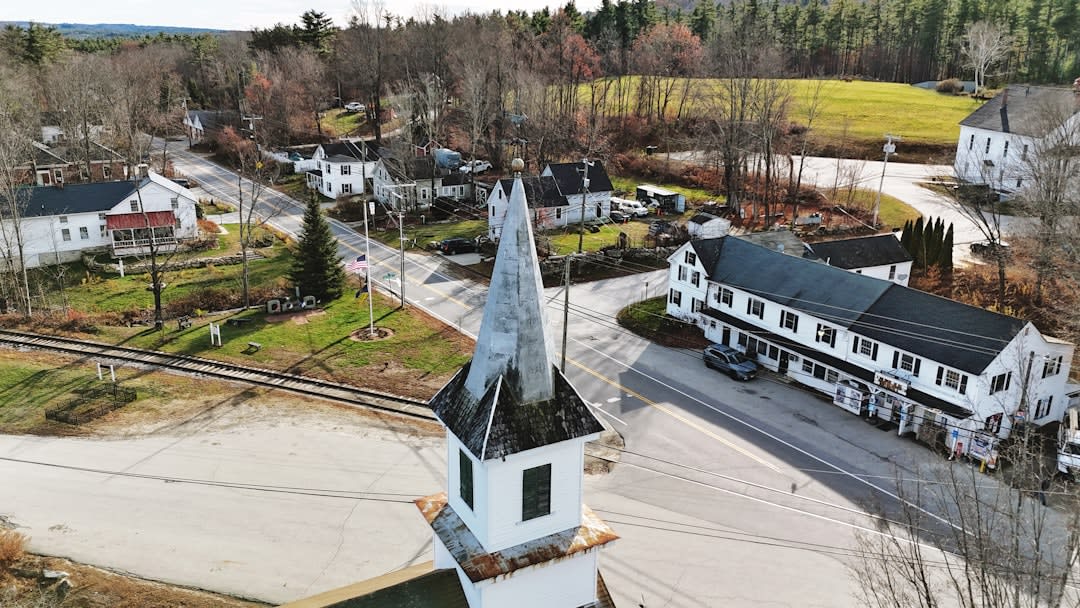
I came in from Ures on a Thursday afternoon, the highway threading through pale desert hills before the valley opened and suddenly everything was green. Cottonwoods along the riverbank, a white church tower above the roofline, the kind of stillness that isn’t emptiness so much as a town that has found its rhythm and sees no reason to accelerate it. A man on the plaza was reading a newspaper. A dog was sleeping in the exact center of the main street. I parked, cut the engine, and sat there for a moment longer than necessary.
The Valley That Changes Everything
The thing nobody tells you about the Ruta Rio Sonora is that Baviacora is the stretch where the landscape finally exhales. North of Ures the terrain is scrubby and open; here the Rio Sonora has carved a proper canyon, and the ejido farmers have lined the banks with cottonwoods tall enough to form a canopy. In October the leaves go gold and the effect is almost violent in its prettiness against the red-brown canyon walls. I walked the dirt road that follows the river south of town around seven in the morning, before the heat gathered, and had it entirely to myself save for a pair of white-winged doves. The agricultural plots between the trees — squash, chiles, corn — are still farmed by hand in places, and the farmers who passed me on that road offered the calibrated nod of people who are unsurprised by a Frenchman on foot but see no reason to make a fuss about it.

The Plaza and What Passes for Lunch
The centro is three or four blocks of colonial-era houses in various states of dignified age, anchored by the Parroquia de San Juan Bautista — a sturdy 18th-century church whose interior is cooler than anything else in town by about five degrees, which in June feels genuinely miraculous. There’s a small tiendita on the corner of the plaza where the owner was willing to heat up a plate of machaca con huevo around noon when I asked, not quite normal service hours, with a tortilla press she operated without looking at it. I ate at the one plastic table outside. The machaca was made from dried beef that tasted like it had been in the sun and not a dehydrator, which is the difference that matters.

Staying Overnight on the Ruta
Baviacora is best treated as an overnight rather than a lunch stop, though most people driving the Ruta Rio Sonora treat it as the latter. There are a couple of casas de huéspedes that operate quietly — ask at the tiendita or the municipal building; signage is not a priority here. Evenings on the plaza are the reward: families out after dark, the temperature dropping fast the way desert nights do, someone’s radio playing something cumbia-adjacent from an open window. It has the quality of a town that performs no version of itself for visitors because it hasn’t noticed that visitors require a performance.
Getting There
Baviacora sits on Highway 14 in the Rio Sonora valley, roughly 40 minutes north of Ures and 30 minutes south of Banamichi. The logical approach is to drive the full Ruta Rio Sonora — Hermosillo to Arizpe or vice versa — and treat it as a midpoint stop. The road is paved and entirely manageable in a regular car.