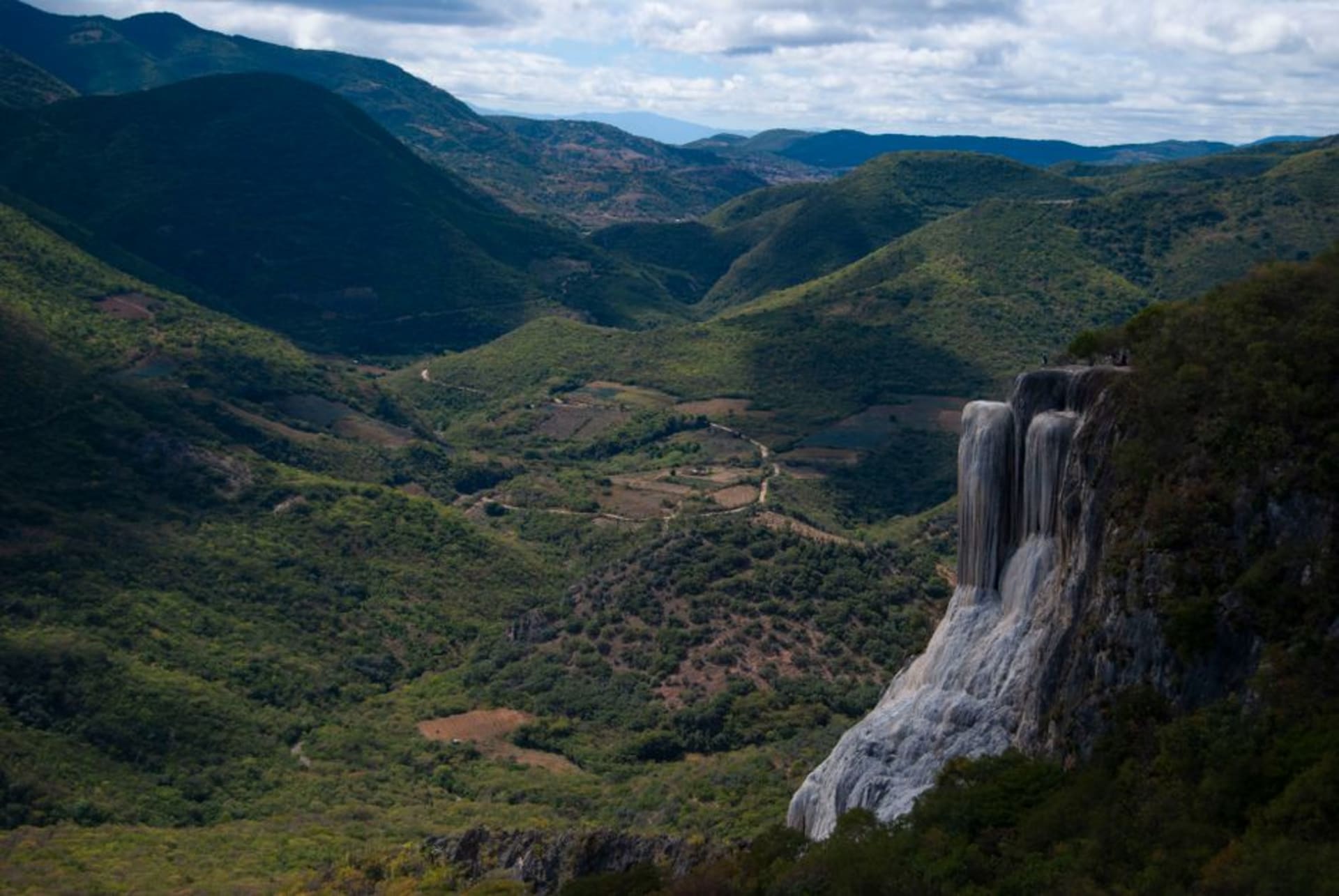
You have to want to reach Bacerac. The road up the Río Bavispe valley in the far east of Sonora is long and lonely, the kind where you pass one truck in an hour and both drivers lift two fingers off the wheel in that unspoken country greeting. I arrived in the late morning, dust on the windshield, and the first thing that undid me was the green — after so many kilometers of dry brown mountain, the sudden ribbon of cottonwoods and irrigated fields along the river felt almost extravagant. The village sits just above it, small and low and quiet, an old mission church holding the highest ground. I parked in the shade and just listened for a while. Water somewhere. Wind. A rooster, absurdly, at noon.
The Mission Above the River
The church is the heart of Bacerac the way it is in these old Sierra Alta villages — planted here in the mission era, when this valley marked a hard frontier, and standing ever since. Thick walls, a plain and honest facade, the kind of building that was made to last through centuries and clearly intends to. I stepped inside out of the heat and found the cool dimness that these old churches keep like a held breath. An older woman was arranging flowers near the front and nodded at me without surprise, as though foreigners wandered in every day, which I’m quite sure they don’t. From the atrium you can see out over the rooftops to the valley floor and the river beyond, the green fields, the mountains closing it all in. It’s a view that hasn’t needed to change.
Fields, Cottonwoods, and the Bavispe
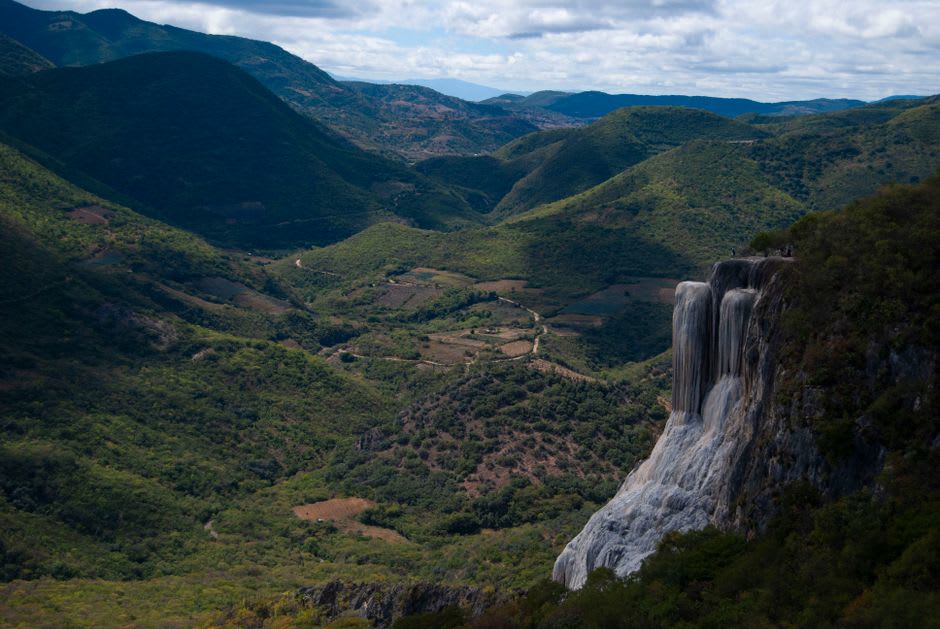
I walked down toward the river in the afternoon, past fields that the Río Bavispe keeps alive through ditches and old irrigation running off the current. This is ranch country, and the fields exist to feed cattle through the dry stretches — but the effect, from a footpath, is pastoral in a way that catches you off guard this deep in Sonora. The cottonwoods along the water were enormous and loud with birds, their leaves turning over silver in the wind. A man mending a fence line told me the river is everything here, that a dry year is felt in every household, that without the Bavispe there is no Bacerac. He said it plainly, the way people state a fact they’ve never had reason to doubt. The mountains stood behind him, brown and indifferent, and the green ran on at their feet.
The Slowest Evening in Sonora
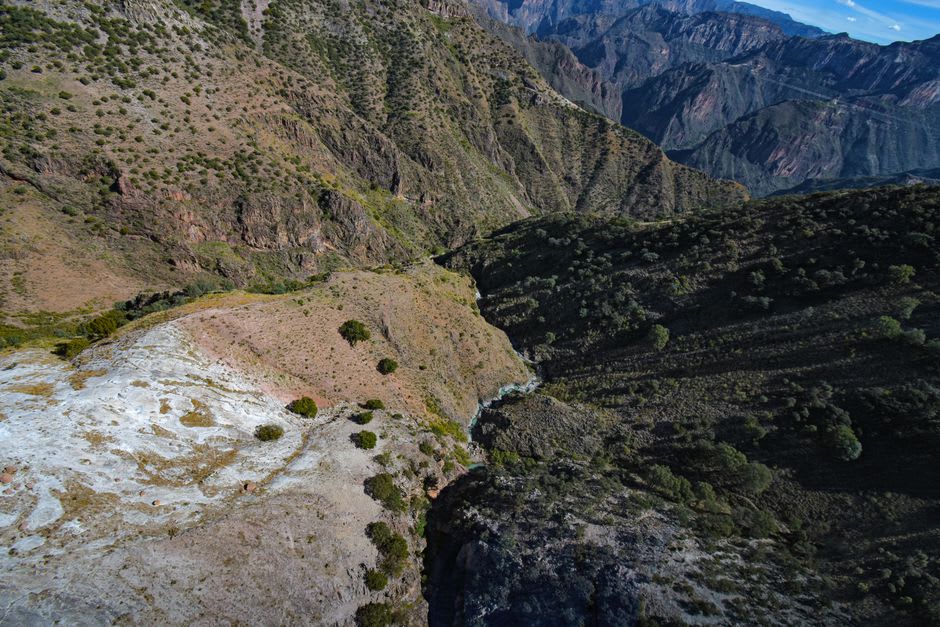
Nothing happens in Bacerac in the evening, and that is the entire pleasure of it. I sat on a low wall near the plaza as the light went gold on the mountains and watched the village exhale into the cool — a few pickups rolling home, kids on bikes, someone’s radio drifting norteño from an open door. A rancher rode in from the fields at a walk, his horse’s hooves the loudest thing on the street. There’s no restaurant scene to speak of, no bar with a view, none of the machinery a place builds when it expects visitors. Bacerac expects its own people, and feeds and holds them, and asks nothing of anyone passing through except that they keep the same slow pace. I’ve rarely felt so unremarkable in a place, and rarely liked it more.
Getting There
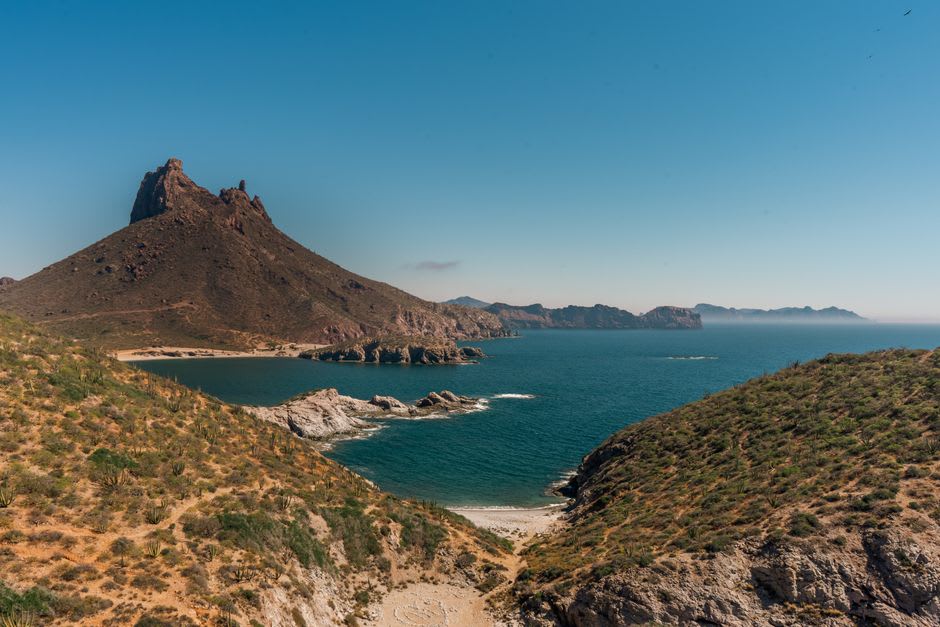
Bacerac sits in the Sierra Alta of eastern Sonora, in the Río Bavispe valley near Huachinera and Bavispe, roughly four to five hours by road from Hermosillo and a long haul from anywhere else. The approach is via the highway east toward Moctezuma and Bavispe and then up the river valley; the last stretches are quiet mountain road. There’s limited and infrequent bus service into the valley; a car is far the better choice, and worth topping off the tank before the mountains. Come for the quiet, not for amenities — that’s the whole exchange.