Átil
"I stopped to photograph the mission and ended up talking to the sacristan for two hours about Kino, Jesuit routes, and the best place to eat in Caborca. Mexico works like that."
I almost didn’t stop. The turnoff from Highway 2 is a blink of a sign, and I was already running late toward Caborca, radio on, cooler running low on water. But something about the word Átil — painted on a faded municipal board — made me brake. Twenty minutes, I told myself. That was four hours ago, and now there is a dog sleeping under my rental car and the sacristan has just gone to find me a cold Coca-Cola from somewhere inside the church. This is the Altar Valley in miniature: austere on the outside, quietly generous once you stop moving.
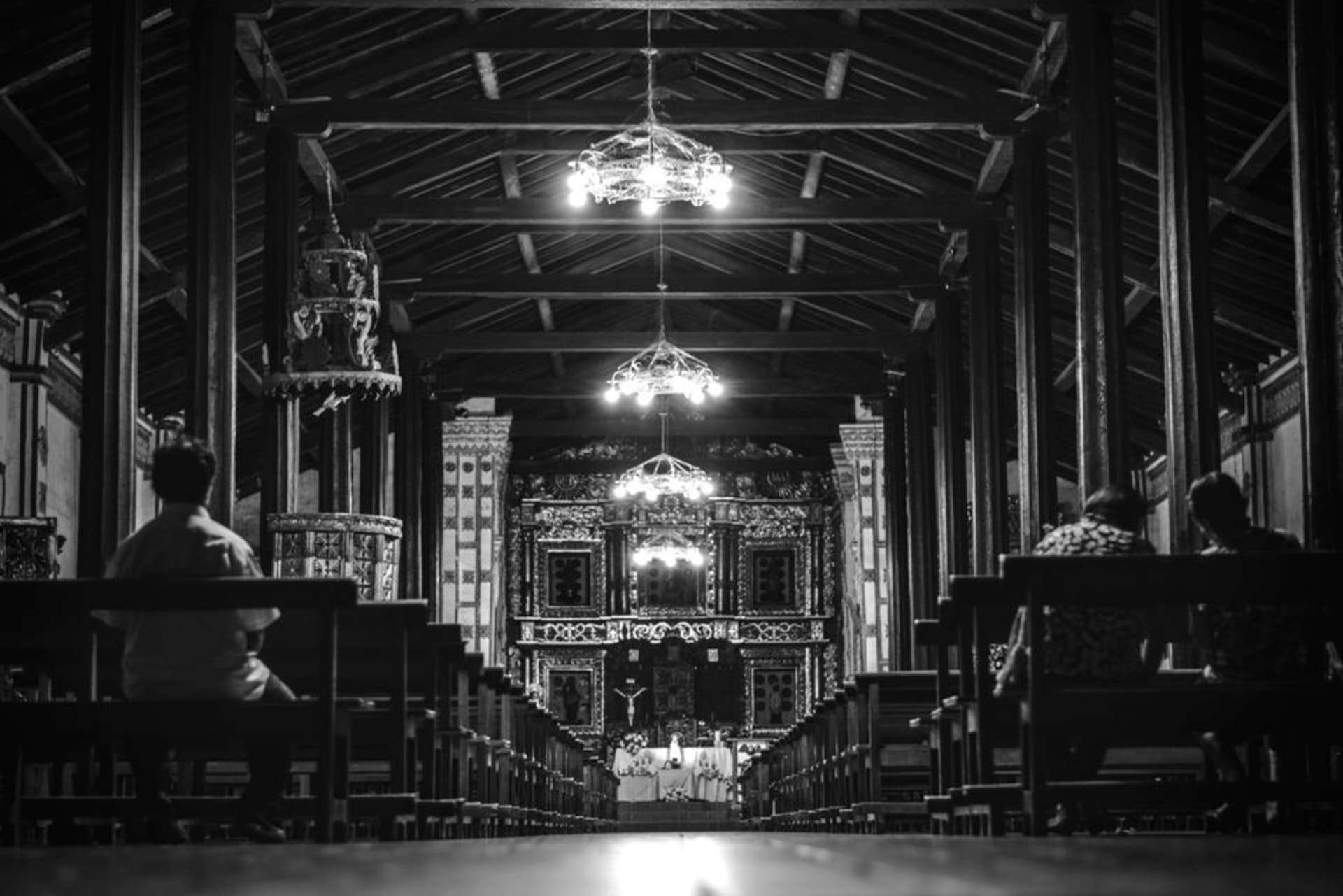
La Misión de San Francisco Xavier
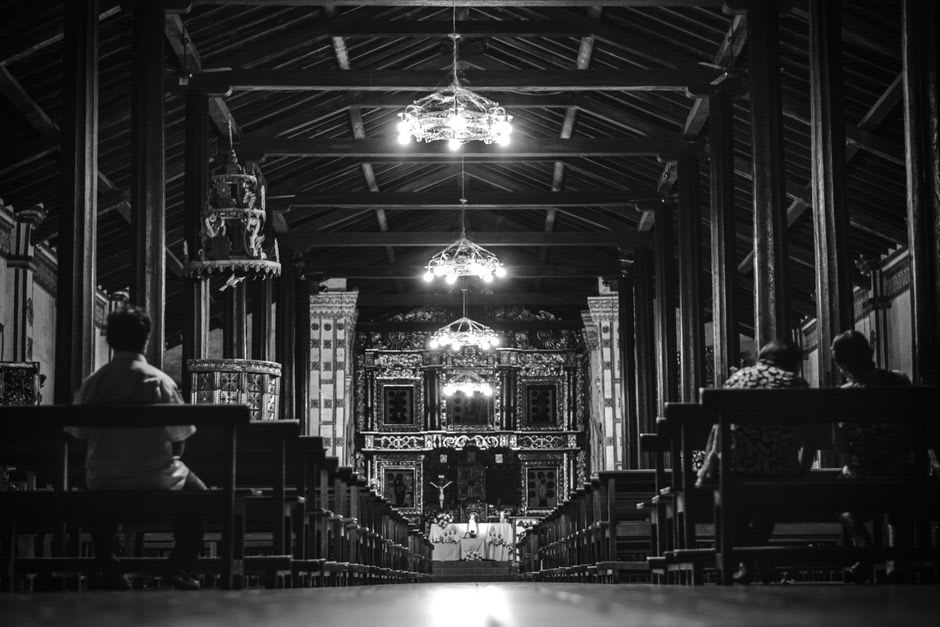
The church is the whole reason to come, and it earns every kilometer of the detour. Built by the Jesuits in the early 18th century under the network Padre Kino laid across this stretch of Sonora, the Misión de San Francisco Xavier de Átil has a facade that would not look out of place in an architectural journal — except the journal would need a desert backdrop and an absolute absence of tourists. The proportions are exact, the relief carvings still crisp in places, the twin bell towers slightly mismatched in the way that tells you it was built by people working across years and supply shortages rather than by a single master plan. Inside, the nave is plain and cool. The retablo has been restored but not aggressively; the gold leaf reads as genuinely old rather than recently touched up. The sacristan — a man in his sixties named Ernesto, whose grandfather also kept this church — can trace the Jesuit expulsion of 1767, the Franciscan handover, and the Revolution in a single unbroken family memory. I took no notes. I should have.
The Valley Around It
The Altar Valley running south from Altar town toward Caborca is not dramatic desert. It is not Baja’s cardón forests or the Copper Canyon’s vertigo. It is flat, thorny, bleached, and specific — the kind of landscape that forces you to look closely at small things. On the road into Átil I passed a cluster of palo verde trees greener than anything else for thirty kilometers. Women selling dried chiltepines from a table set up at the edge of the paved road. A hand-lettered sign for queso menonita pointing down a dirt track. The town itself has one paved street and several that pretend to be. The plaza has a shade tree and two benches. There is no restaurant. There is apparently a woman named Doña Cuca who will make you something if you ask at the right door, but Ernesto gave me this information with the caveat that he was not certain she was receiving anyone this week.
Timing and Quiet
Come in the morning, before ten, when the light hits the mission facade straight on and the stone goes warm gold. By noon the valley heat is not theoretical. Ernesto opens the church every day but is more reliably present on weekday mornings. Bring water. Bring more water than you think. There is nothing to buy in Átil except the experience of standing inside a building that has been there longer than the country surrounding it, and that is, it turns out, quite a lot.
Getting There
Átil sits roughly 25 kilometers southeast of Altar town on a paved road that branches off Highway 2. From Hermosillo it is about two and a half hours by car; from Caborca, under an hour. There is no bus service that I found. Fill the tank in Altar or Caborca before you go — there is no fuel in Átil.