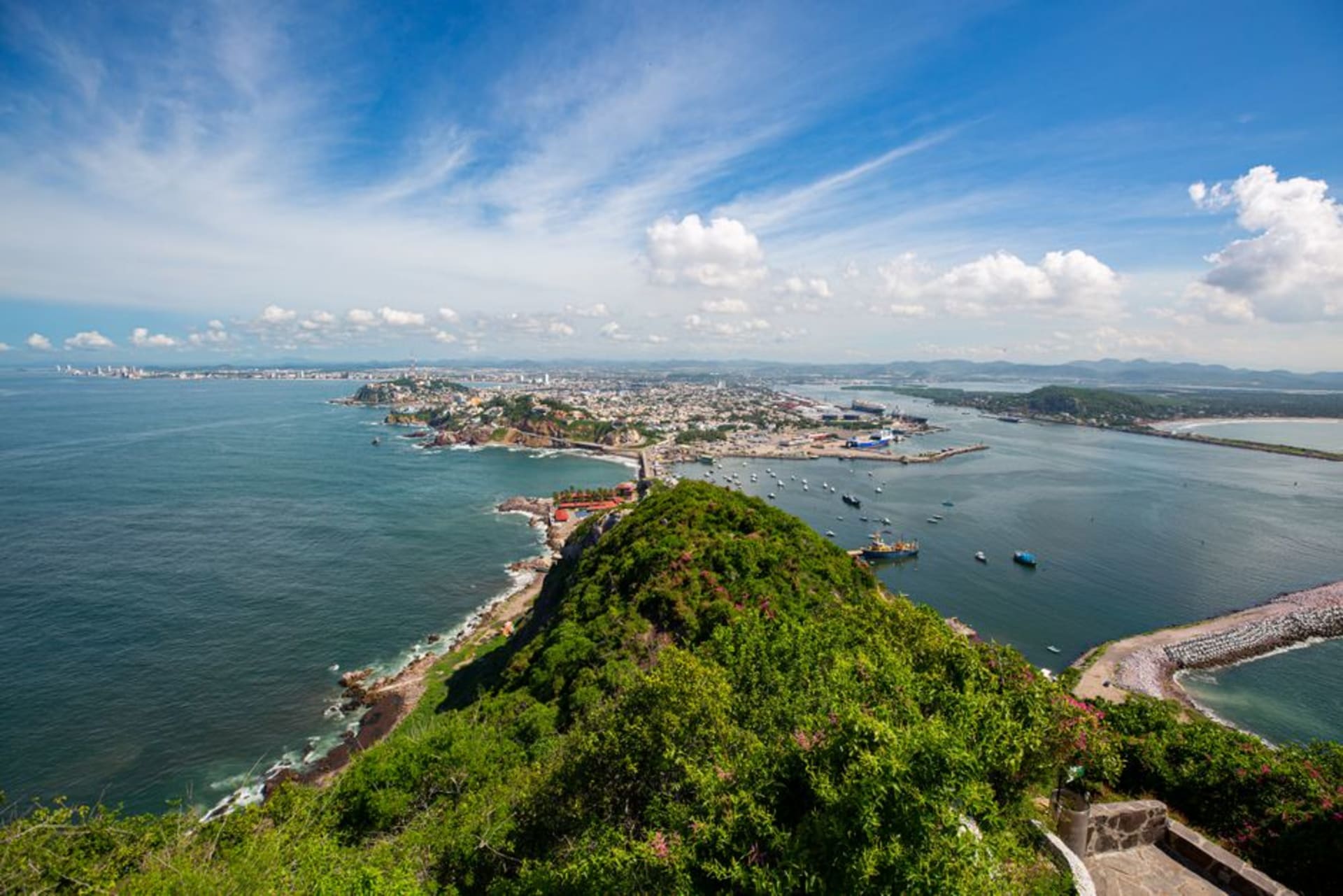
Topolobampo
"I came to Topolobampo to catch a ferry and spent three hours watching whale sharks feeding in the bay, which was not the plan but was clearly the correct outcome."
The Baja Ferries terminal at Topolobampo opens at six in the morning, and by quarter past there is already a line of trucks idling in the heat. I joined it with the same transit mentality as everyone else — ferry to La Paz, Baja Sur, onward. I had a ticket and a plan and a specific idea of what that day was going to look like. Then a man next to me gestured toward the bay and said, almost as an aside, that the whale sharks had been close to the surface since dawn. I missed the ferry. The correct decision.
What the Bay Actually Contains
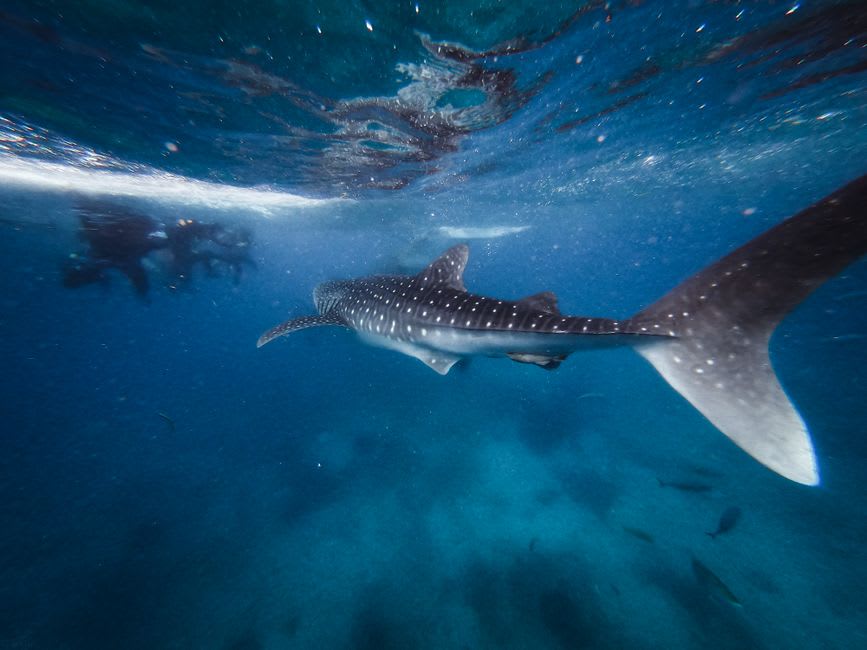
From October through April, Topolobampo Bay hosts one of the more reliable whale shark aggregations on Mexico’s Pacific coast. They come for the plankton-dense water where the Bahía de Ohuira opens toward the sea, and on a calm morning the fins are visible from the dock — slow, massive, entirely indifferent to the fishing boats making their way out. Local fishermen run informal excursions; you won’t find a ticket booth or a laminated waiver, just a conversation at the waterfront, a price agreed upon in pesos, and a fifteen-minute ride to where the sharks are circling. In the water, they are larger than you expect even when you have been told to expect something very large. A three-meter whale shark looks like a submarine passing beneath you. A seven-meter one changes your sense of scale in a way that takes a few minutes to process. The water is warm enough from November onward that no wetsuit is required. Bring a mask. Bring more time than you think you need.
The Fish Market and Its Pelicans
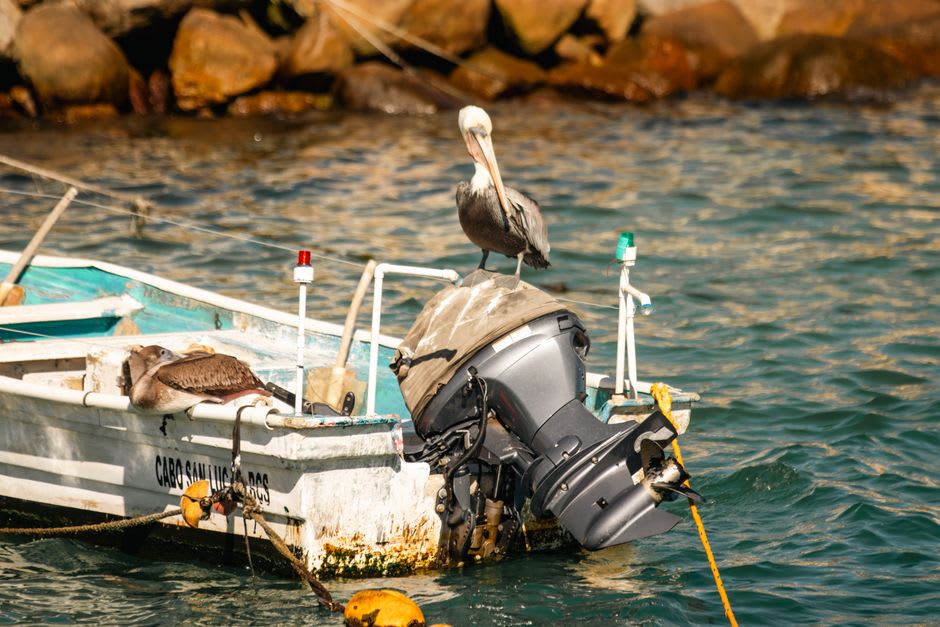
The mercado de pescado near the main dock operates with the quiet efficiency of a place that has been doing the same thing since before anyone currently working there was born. By seven in the morning the catch is already laid out on ice — huachinango, cabrilla, jaiba, camarón the size of my fist. What the market does not advertise is the pelicans. They have staked out the perimeter of the fish-cleaning area with a territorial confidence that I found, frankly, impressive. They don’t scavenge nervously the way gulls do; they stand and wait with the patient authority of creatures that have correctly assessed the odds. The caldo de camarón at the small fondas tucked behind the stalls is made from whatever came in that morning, seasoned with chile de agua and served with flour tortillas that in Sinaloa are thinner and slightly crispier than anywhere else I’ve eaten them in Mexico.
Before the Heat Sets In
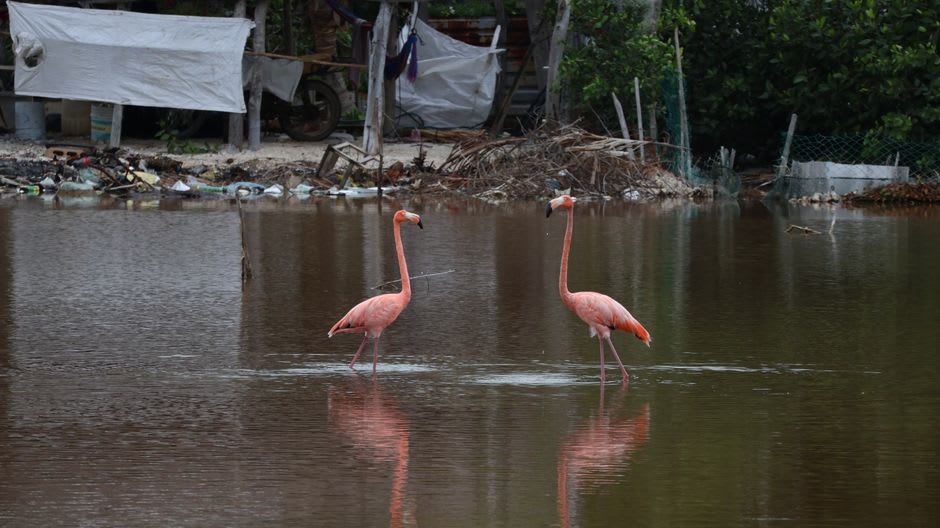
The channel behind the main dock feeds into a mangrove system that is, at five-thirty in the morning, unreasonably alive with birds. Great blue herons, snowy egrets, roseate spoonbills if the timing is right, frigatebirds in loose formation overhead. A local guide took me through in a small motorized panga for two hundred pesos and seemed personally satisfied every time I reacted to something — which was often. The mangroves smell of salt and mud and something organic underneath that is not unpleasant. By nine the birds have retreated and the heat has arrived and the whole system goes quiet in a way that makes you feel like you imagined it. Go early. Go before the coffee if you have to.
Getting There
Topolobampo is 25 kilometers west of Los Mochis, connected by a direct road and regular local buses for around 20 pesos. Baja Ferries operates crossings to La Paz most evenings; the crossing takes roughly eleven hours. The Chepe Exprés toward the Copper Canyon departs from Los Mochis itself, not from the port. Book the ferry for a day later than you think you need. The bay will find a reason.