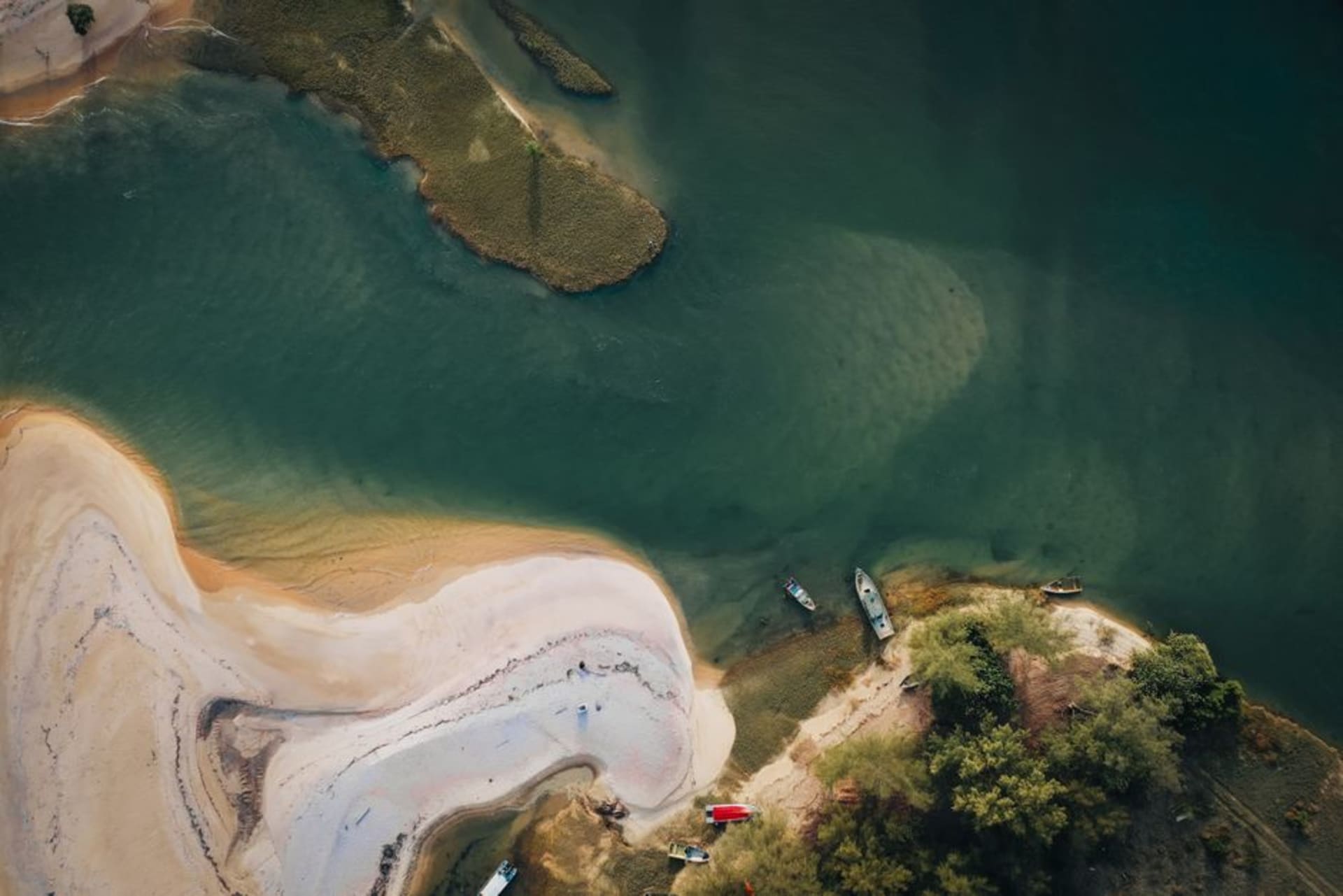
Teacapán
"The guide killed the motor and we floated in silence through the mangrove tunnel for a full minute. I had not expected Sinaloa to do that to me."
I came to Teacapán because it appeared at the very bottom of a Sinaloa map — thin as a pencil stroke, trailing off into nothing — and the road in looked like something that might give up on itself at any moment. It does not give up, but it takes its time. The peninsula stretches south for nearly twenty kilometers between the Pacific and the Estero de Teacapán, past cattle fencing, coconut palms, and roadside signs for nothing in particular. By the time I reached the village, I understood that the effort was part of the arrangement. This place functions on its own schedule, and the drive is how it communicates that.
Into the Estuary
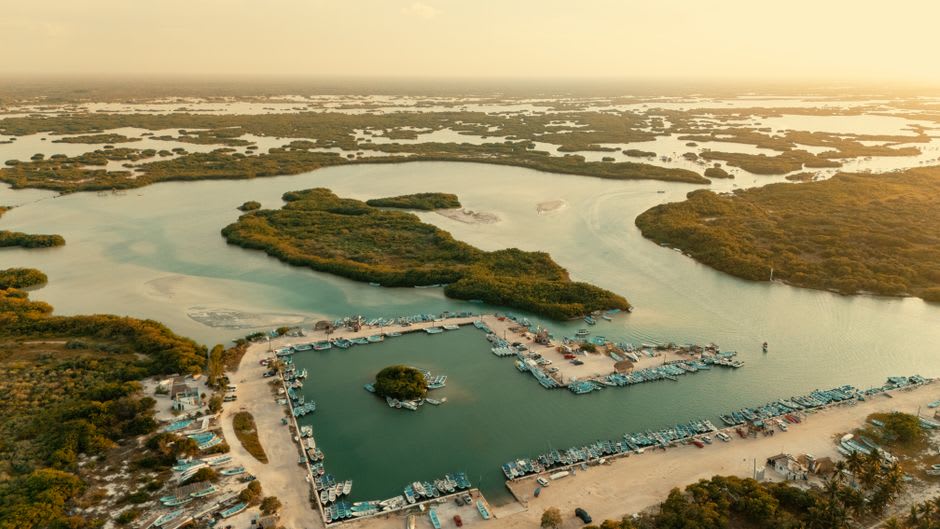
The mangrove estuary is the reason to come. It spreads east and north in a network of channels and corridors that look, at water level, like a green cathedral with no walls and no roof. I hired a local guide — Don Aurelio, whose panga bore a hand-painted name I could not quite read — for an early-morning tour that lasted three hours and covered, he said, maybe a quarter of what was navigable. White egrets stood motionless in the shallows. A kingfisher crossed the bow twice. At one point he cut the motor entirely and we drifted through a tunnel of interlocking mangrove roots in complete silence. The sound was water and birds and nothing else. I have done estuary tours in Oaxaca, in Nayarit. This one was different in scale — the estuary runs long enough that you start to feel genuinely small inside it, which is an unusual sensation for a body of water you can wade across.
The Beach After Dark
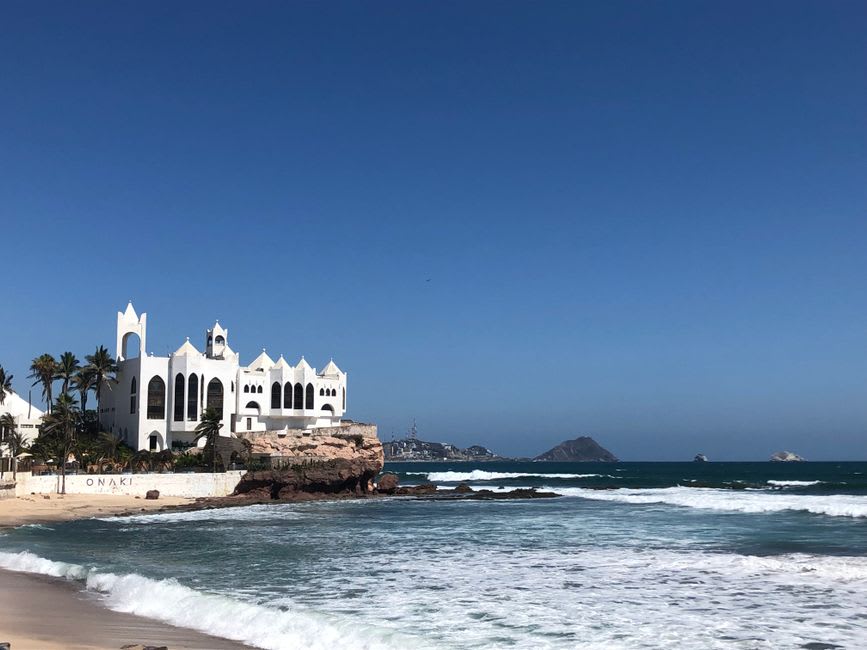
The Pacific side of the peninsula is unguarded in every sense — no lifeguard towers, no jet ski rentals, no one working the waterline. The beach runs north from the village in a wide arc of dark sand that the olive ridley turtles find suitable between July and November, when they come ashore at night to nest. I arrived in late October and spent two evenings sitting in the dark with a handful of other people and a volunteer from the local ejido who asked that we keep phones face-down and voices low. The turtles are not theatrical about it. They arrive, they dig, they lay, they leave — forty minutes in near-complete darkness. I found it more affecting than I expected. Teacapán at night has the kind of sky that reminds you where, more precisely, you are on the planet.
What to Eat, and When to Stop
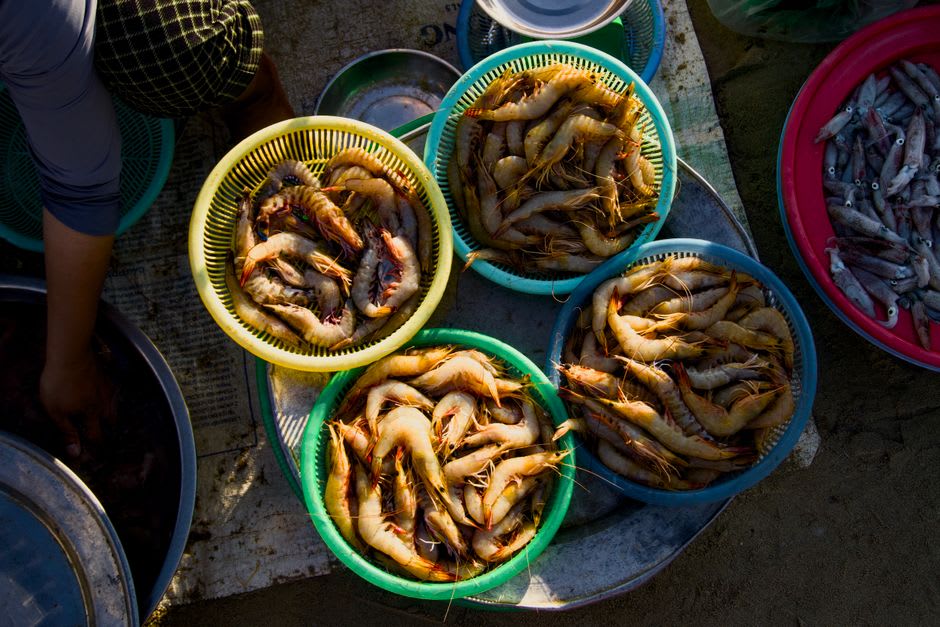
There are a handful of palapa restaurants along the beachfront — the kind where the fish arrived that morning and the menu depends on what that means. I ate pulpo al ajillo twice at a place called El Marinero: four tables, a television showing Liga MX with the volume off, and a caldo de camarón that came in a clay bowl with a depth you only get from heads-on shrimp simmered past the point of patience. The village itself is small and makes no effort to be a tourist destination. There is a modest malecón, a church, a Sunday tianguis that exists for the people who actually live here. I found that restful in a way that is hard to account for. The rhythm of Teacapán is the panga at five in the morning, the pelican at noon, and very little in between that demands anything of you.
Getting There
Teacapán is roughly three hours from Mazatlán by car, the last stretch a slow road through coastal farmland that narrows as you reach the tip of the peninsula. Escuinapa, 25 kilometers away, is the nearest town with fuel and anything resembling services. No direct bus reaches the village — a shared taxi from Escuinapa is the standard approach without a car. The estuary is navigable year-round; turtle season runs July through November.