Sinaloa de Leyva
"The state capital moved away and took the traffic with it; what stayed behind is a town that never had to compromise its proportions."
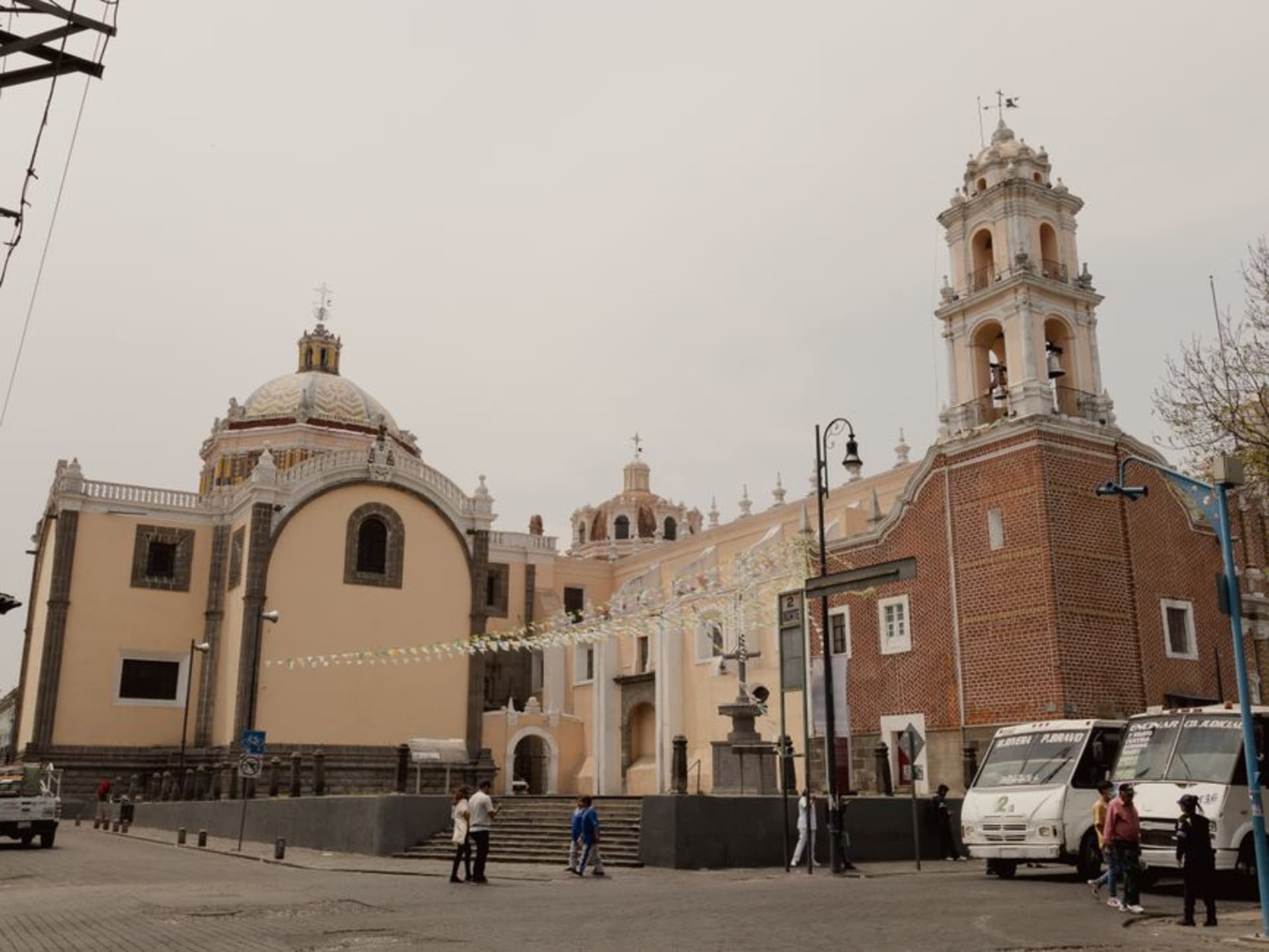
Sinaloa de Leyva announces itself the way former capitals often do — not with fanfare but with the quiet insistence of infrastructure that slightly exceeds its current population. I came in on a second-class bus from Culiacán that stopped at every village worth stopping at, and by the time we pulled into the central square the morning had already distributed itself: a panadería with its door propped open, two men talking beside a truck that wasn’t going anywhere soon, and the cathedral’s stone facade catching the early light like it had been practicing for centuries.
The Cathedral’s Original Optimism
The Parroquia de Nuestra Señora de la Asunción was built for a town that expected to keep growing. Standing in front of it at seven in the morning — no one else on the atrium steps except a dog working through its priorities — you understand the particular loneliness of ambitious architecture in a place that stayed small by accident rather than by choice. The stones are cut well. The bell tower has that slight lean of age without crisis. The proportions inside, tall nave and side altars going slightly dusty, belong to a building meant to anchor a capital, not a municipal backwater.
What I noticed walking the perimeter of the plaza twice while waiting for anything to open: the colonial grid holds. The streets off the main square run straight and wide enough that the original planners clearly expected carriages, and possibly more of them. There are portales on the north side that have been there since before Culiacán took the paperwork and the population with it. Sit under them long enough and you start to feel the ghost of a different urban argument — one this town was losing even as the mortar dried.
Morning at the Mercado Municipal
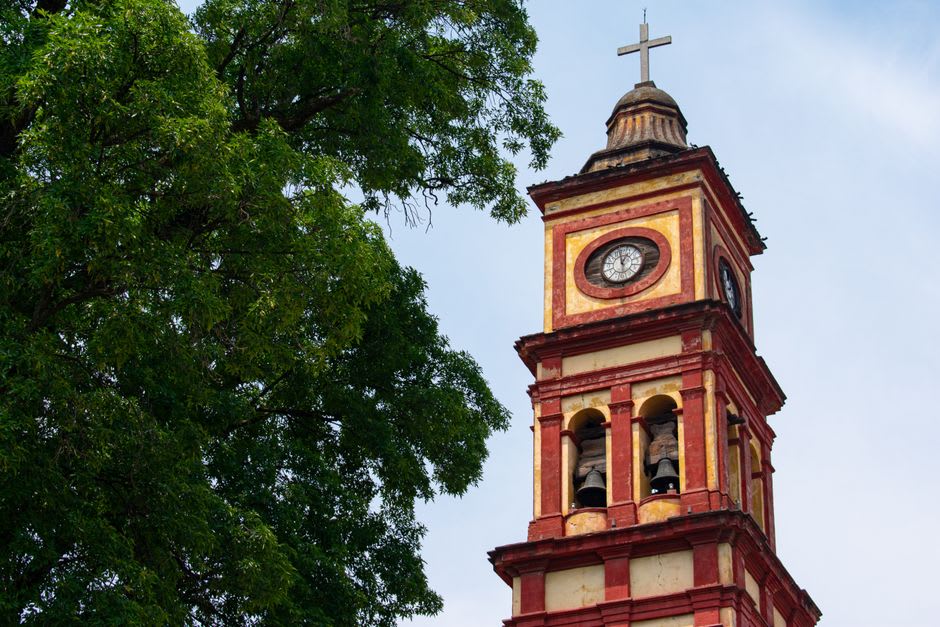
The market opens early and closes early, which is the honest schedule of a town that keeps agricultural hours. My first morning I arrived at the stalls before seven and found chilorio already portioned into small containers — dense with dried chiles and pork fat, the kind of thing you eat on a bolillo standing up. I had two. There is also machaca, the Sinaloa version: air-dried beef pounded to threads and scrambled with egg, which you find at the small fondas along the market’s back wall. Order it with a cup of café de olla and you’ve solved breakfast with more competence than most restaurants twice the price would manage.
The women running these stalls have the focused economy of movement that comes from doing the same thing correctly for thirty years. Nobody asks if you want salsa. Nobody explains the menu. You point and you pay, and that transaction has a satisfying directness that tourist towns spend years unsuccessfully trying to simulate.
The Afternoon Problem
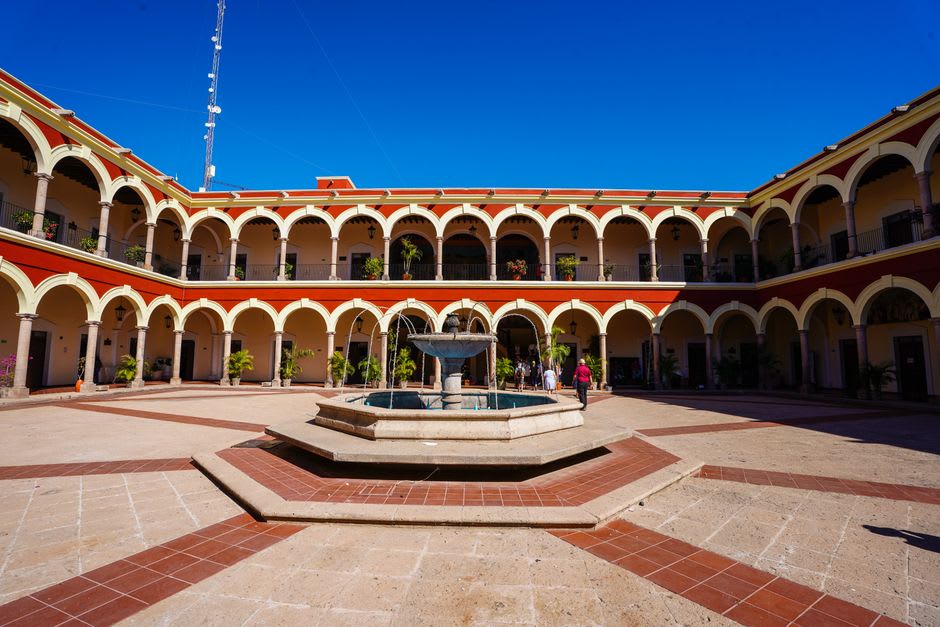
Sinaloa de Leyva doesn’t traffic in organized activities, and that is exactly the point. After the market winds down and before the evening cools things off enough for plaza-sitting, there is a gap in the day you fill by walking. The streets west of the church pass through a neighborhood of older adobe houses, many with painted facades that used to be common everywhere and now mostly survive in towns that couldn’t afford to replace them with concrete block. The colors are faded in the specific way that only actual age produces — not the restoration-project kind.
I found a paleta shop on Calle Juárez open at two in the afternoon when everything else had shuttered. Tamarindo con chile, which I ordered twice. The owner was watching a telenovela on a small television and didn’t pause it for the transaction, which I respected entirely.
Getting There
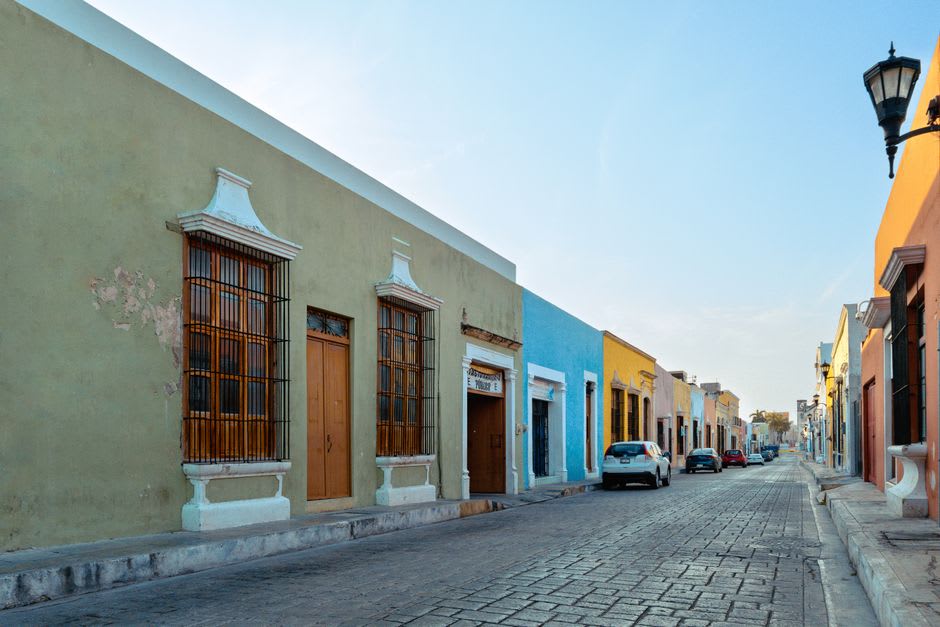
Culiacán is the hub. From the Central de Autobuses in Culiacán, second-class buses run to Sinaloa de Leyva on a schedule that is more optimistic on paper than in practice — allow two to three hours depending on stops. There is no direct connection from the coast. Most travelers come through Culiacán and either rent a car or take a colectivo from the terminal’s regional lanes.