
Rosario
"I went to a small museum about a singer I only half-knew, and came out thinking about my grandmother."
Rosario sits in the subtropical hills of southern Sinaloa, close enough to the Durango border that the landscape has changed from coastal plain to something greener and more vertical. The town was founded in 1655 as a silver mining settlement, reached its peak in the colonial period, and then subsided gracefully into the kind of provincial quiet where the colonial center remains intact not because anyone preserved it but because nothing came along to replace it. Eight thousand people. A main plaza with old trees. A church with one of the finest baroque interiors I have seen in northwestern Mexico.
I arrived on a late morning bus from Mazatlán — two hours south through the foothills — and walked directly to the Parroquia de Nuestra Señora del Rosario, because when someone tells you a retablo mayor is intact and gold-leaf and exceptional, you go see the retablo mayor first.
The Church and Its Retablo
The exterior of the Parroquia is graceful without being spectacular — pale stone, a modest campanile, the usual plaza-fronting position. Then you walk inside.
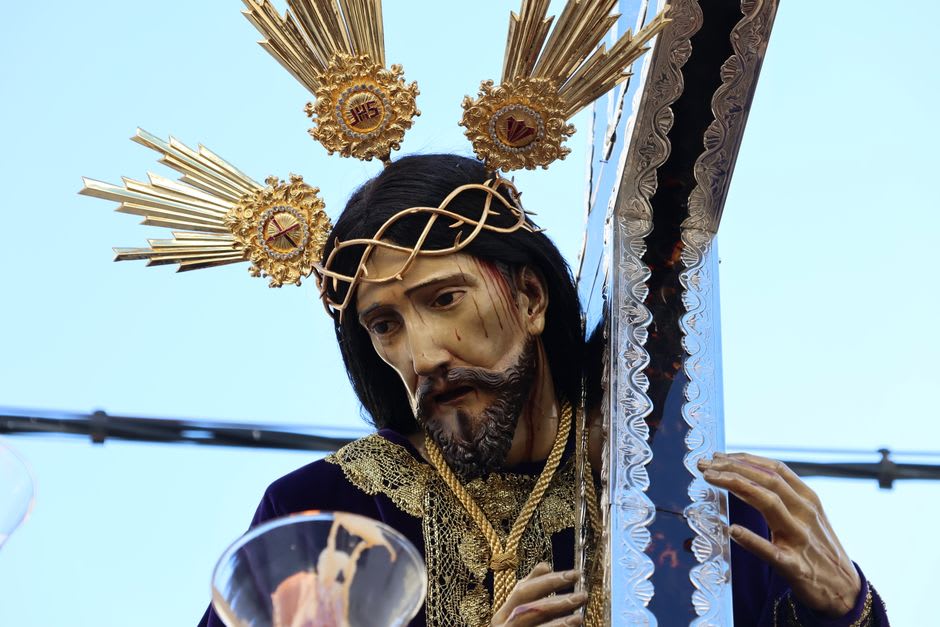
The retablo mayor occupies the entire back wall of the sanctuary. Gold-leaf. Multiple tiers. Niche after niche of painted and gilded figures in the churrigueresque style that the Spanish brought to Mexico and then watched Mexico push into a sort of ecstatic excess that the Spanish had not quite anticipated. The specific gold of a well-preserved retablo in low church light is not like any other gold — it is warm and deep and slightly fugitive, shifting as the angle of light shifts. I stood in the nave for a long time without moving.
France has baroque churches. Some of them are extraordinary. But French baroque tends toward the monumental — it wants to impress through scale and accumulation. The Mexican baroque, especially in the silver mining towns, has a different quality: it is profligate in a way that feels personal, like someone spent everything they had and didn’t care about looking reasonable. Rosario’s retablo is improbably intact for a town of its size, which suggests either very good fortune or very attentive custodianship over three and a half centuries. Probably both.
The church itself is still an active parish — mass was ending when I arrived, and the women coming out in their Sunday clothes seemed quietly pleased to find someone standing there staring at their church.
The Lola Beltrán Museum
On the main plaza, a few doors from the church, is a small museum dedicated to Lola Beltrán, who was born in Rosario in 1932 and became — by the time of her death in 1996 — the defining voice of ranchera music for her generation. She is called La Reina de la Música Ranchera. Her voice on recordings has a quality I can only describe as total commitment: nothing held back, emotion right at the surface, every syllable meaning something.
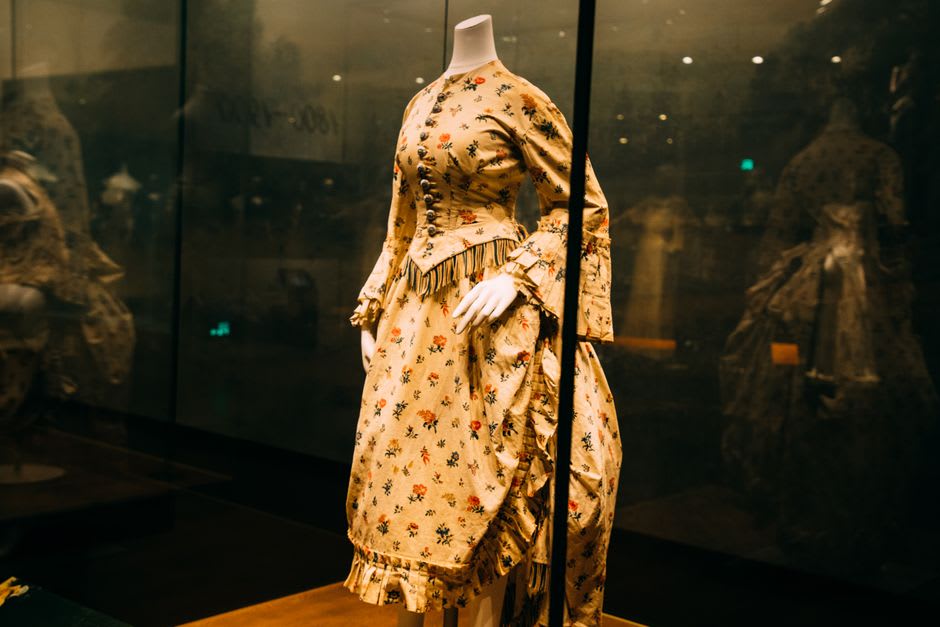
The museum occupies a room and a half and contains photographs, costumes, recording memorabilia, album covers, a few personal items. It is small and sincere and completely unironic — no attempt at spectacle, no interactive exhibits, no gift shop beyond a few postcards. A woman at a desk asked me quietly if I was familiar with Lola Beltrán and when I said I knew her work a little, she smiled and said that was enough and turned on a recording on a small speaker.
I stood in that room listening for probably twenty minutes. The music played. Other people came and went — mostly older, from the region, people for whom Lola Beltrán is not a historical figure but a voice they grew up with. Something about a serious museum in a small town for a singer who meant everything to the people from that town, unmediagenic and entirely local, got to me in a way I had not anticipated. I thought about my grandmother, who is not Mexican and has never listened to ranchera music, but who also comes from a place that made a person who defined something for the people who came from there.
I stayed longer than I meant to.
A Day or an Afternoon
Rosario is manageable as a day trip from Mazatlán, which is ninety minutes to two hours north depending on connections. There are buses on the Mazatlán-Escuintla route that stop here. The colonial center takes a few hours on foot — the church, the museum, the main plaza with its old laurel trees, a couple of streets of colonial facades that the silver money built and time has gently worn.
If you stay, there is a small selection of guesthouses, and the restaurants around the plaza serve the regional Sinaloa cooking: seafood even here in the hills, enchiladas, rice and beans done with the lard-forward richness of the old style. The butchers on the market street sell smoked meats that are specific to the region — carne machaca, dried and shredded — that you’ll find on the menu in the local fondas in a way you won’t in Mazatlán’s tourist-facing restaurants.
Go for the church and stay for the museum. That is an itinerary that will not disappoint you.