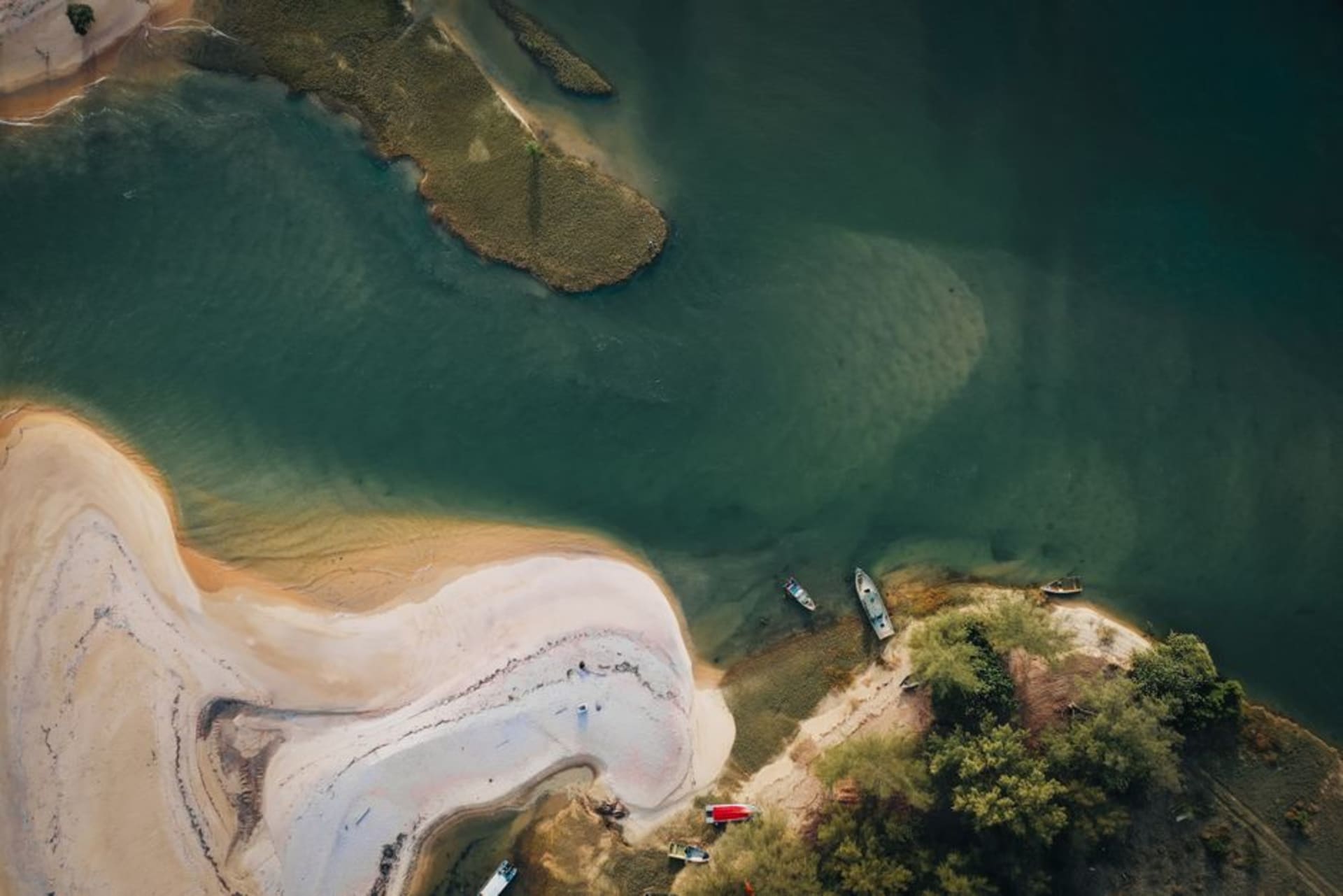
Escuinapa
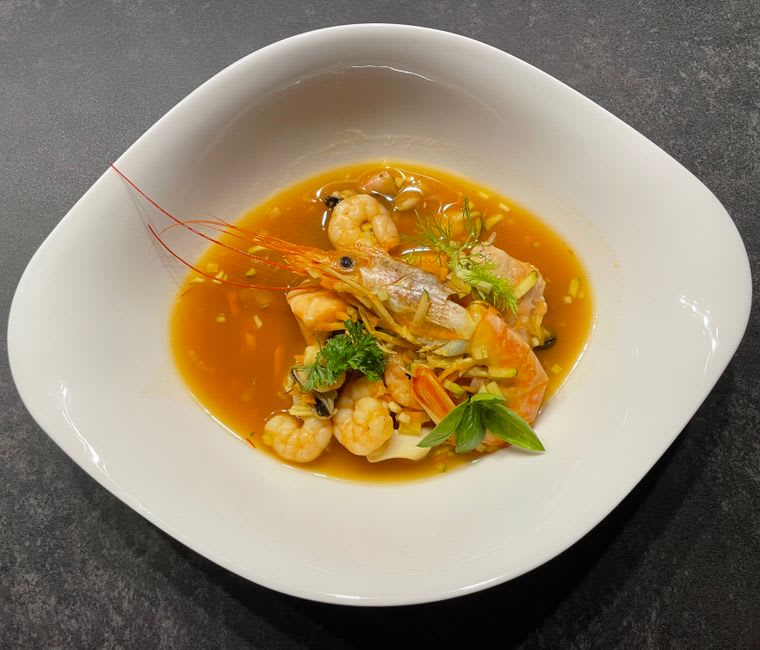
"The shrimp here cost less than a coffee in Europe and tasted better than anything I had found in any seafood restaurant in Mexico City. Geography matters."
I had stopped in Escuinapa on a Wednesday in November, intending to stay two hours before pushing south toward Tepic. I ended up eating lunch, then a late coffee, then dinner. By the time I drove out of town it was past nine at night and the shrimp tacos I had eaten at a plastic-table restaurant on Calle Hidalgo were still the most accurate thing I had tasted in weeks — not elaborate, not dressed up, just correct. The town does not try to be anything other than what it is: a place where shrimp come off the boats and onto your plate the same morning.
The Shrimp and the People Who Cook It
The restaurants near the central market open around seven. By eight, the serious eaters — fishermen finishing their shift, truck drivers heading south, local families who know better than to cook when the market is this close — have already settled in. I sat at a place called La Sirena, no sign outside, three tables under a corrugated roof, and ordered camarones al mojo de ajo and a bowl of caldo de camarón that arrived so dense it needed nothing.
What makes Escuinapa shrimp different from the farmed product you find in supermarkets further inland is not mystical. It is estuary water, short travel time, and cooks who have not changed the recipe because there is no reason to. The woman who brought my food told me her mother opened the place in 1987. I believed her immediately.
Where Sinaloa Ends
There is a specific quality to the light in Escuinapa that I associate with the edge of things. The town sits at the point where Sinaloa runs out of itself — the terrain changes, the vegetation changes, the whole register of the landscape shifts toward the estuaries and mangroves that begin properly around Teacapán, twenty minutes south. Standing at the edge of the market in the afternoon, I had the sense of being at a threshold. Not dramatic, not scenic in any postcard way. Just the feeling that the next thing was about to begin.
The Mercado Municipal on Avenida Juárez is worth an hour of slow walking. Dried shrimp in every grade from powder to whole. Chiles in quantities that make you understand why Mexican cooking is what it is. A butcher section that operates with total seriousness.
The Road to Teacapán
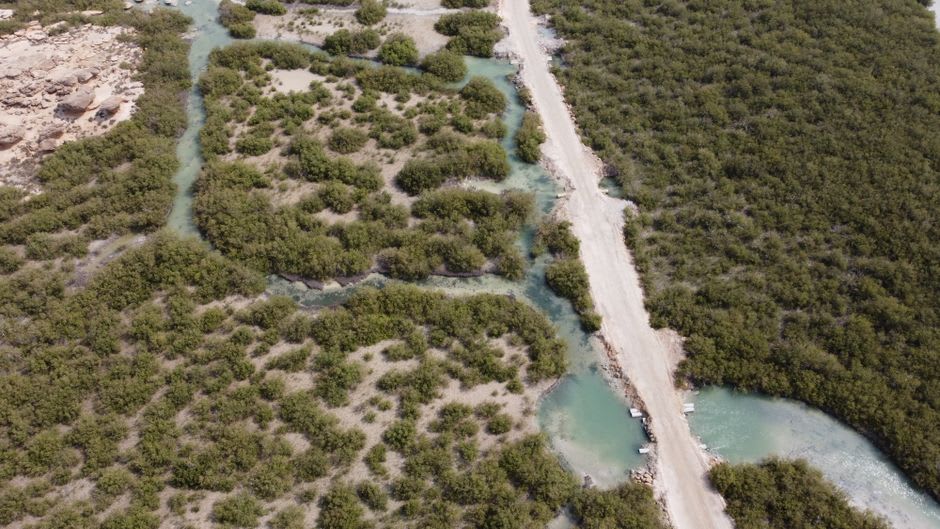
From Escuinapa, the road toward Teacapán cuts through flat agricultural land and then into mangrove corridors where the air changes temperature noticeably. Most people treat Escuinapa as a waypoint to the estuary beaches south of it, which is understandable. The beaches around Teacapán are genuinely beautiful. But I would eat in Escuinapa first, every time.
The town also has a small but respectable zócalo where nothing much happens in the evening except people sitting. That is exactly what it is for.
Getting There
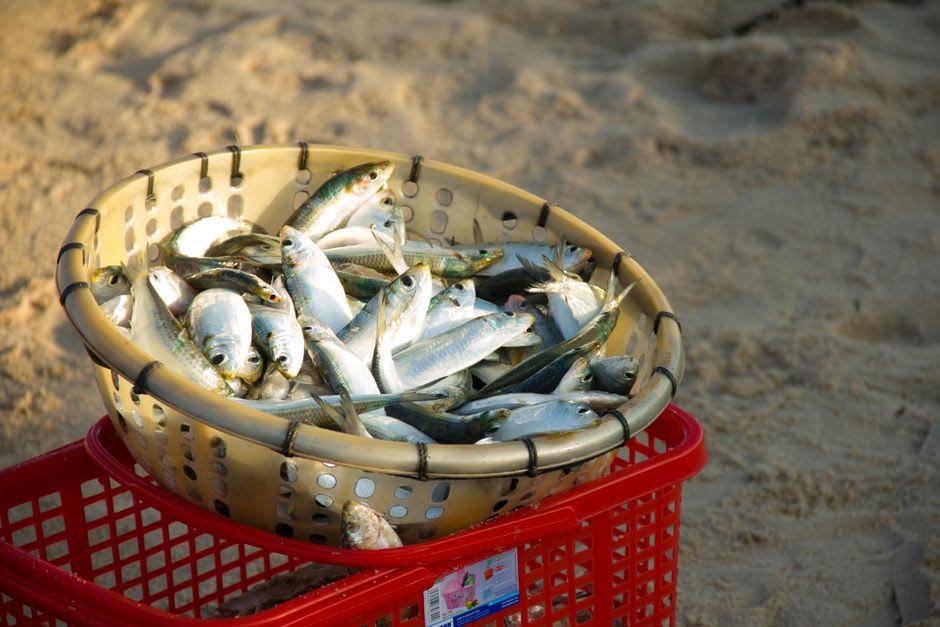
Escuinapa is on Federal Highway 15, about 90 kilometers south of Mazatlán and roughly 60 kilometers north of Tepic. Buses on the Mazatlán–Guadalajara route stop here. By car from Mazatlán it is just over an hour. There is no airport and no reason for one. The town rewards anyone passing through who decides to stop for lunch.