Cosalá
"Cosalá is what the Sinaloan sierra hides from the coast — stone streets, silver history, and thermal springs nobody seems to know about."
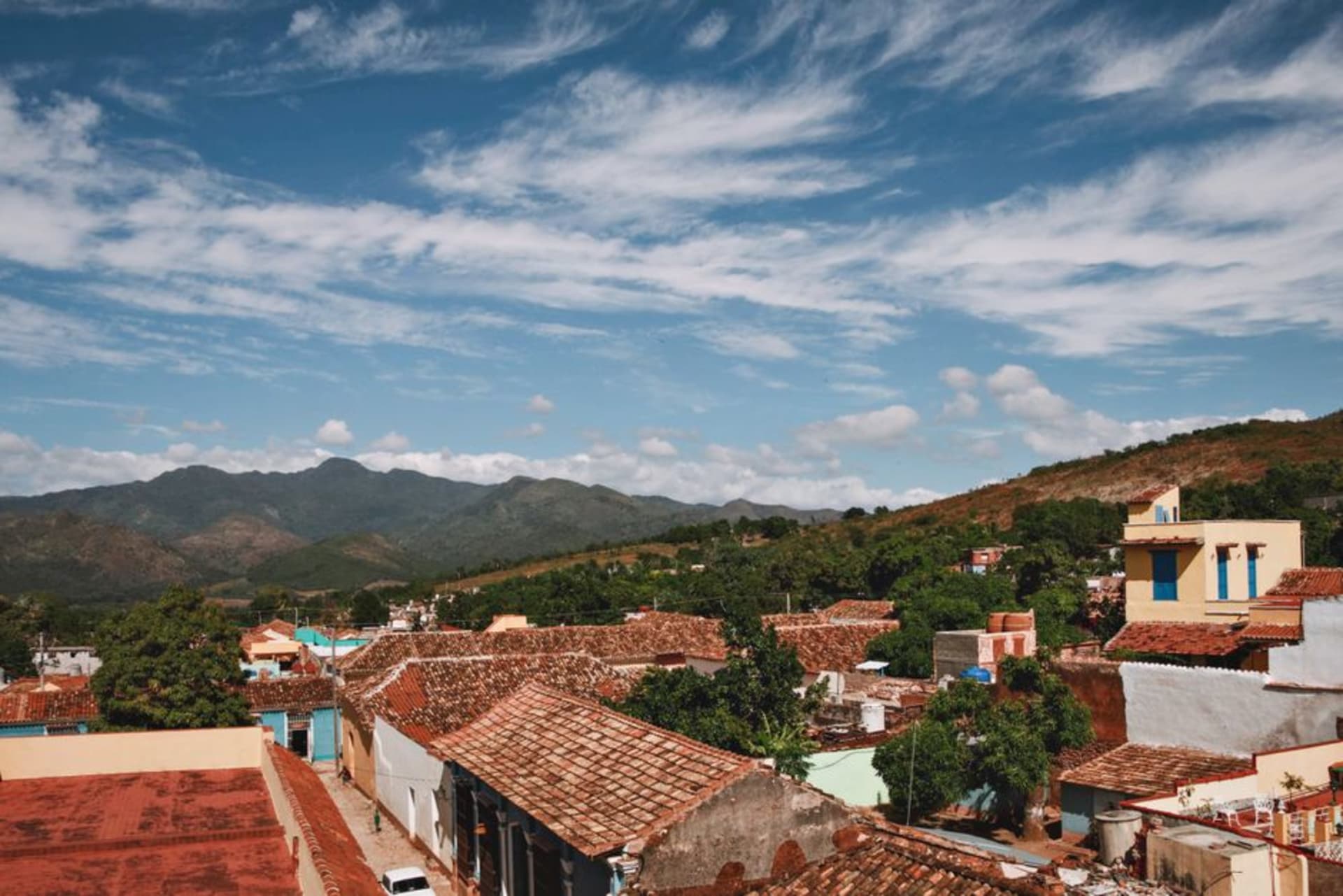
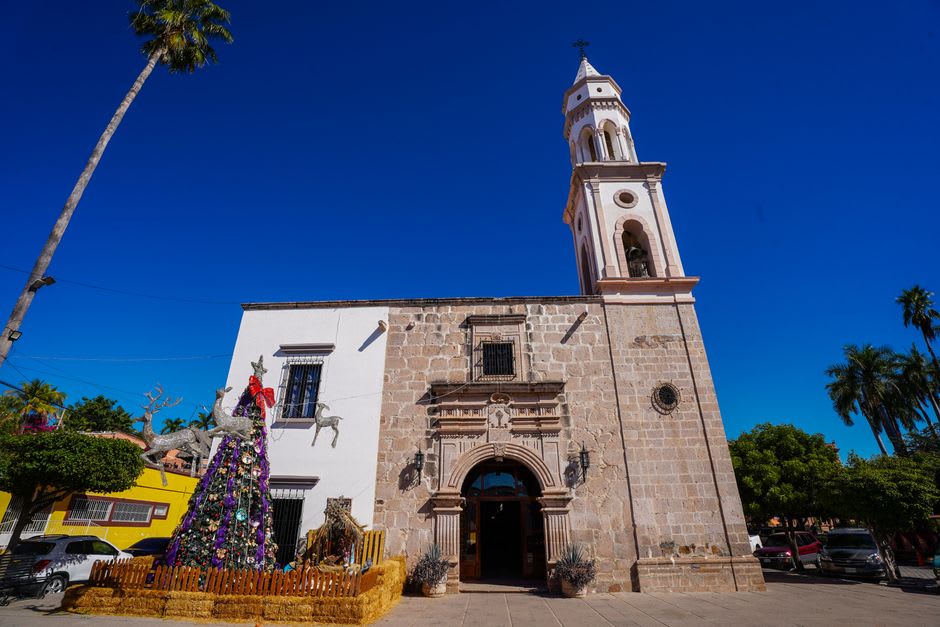
I came up from Culiacán on a two-lane road that climbs through dry sierra scrub before dropping into a valley that feels like someone forgot to tell it about the 21st century. Cosalá appears slowly — a church bell tower above the tree line, then the first cobblestones under the tires, then a zócalo where three old men were sharing a bench in the late-afternoon shade. The altitude here is around 1,100 meters. The air smells like pine resin and wood smoke. I sat down on the church steps and thought: this is exactly what I was hoping for, and I had very little reason to expect it.
Three Centuries of Silver, One Very Quiet Plaza
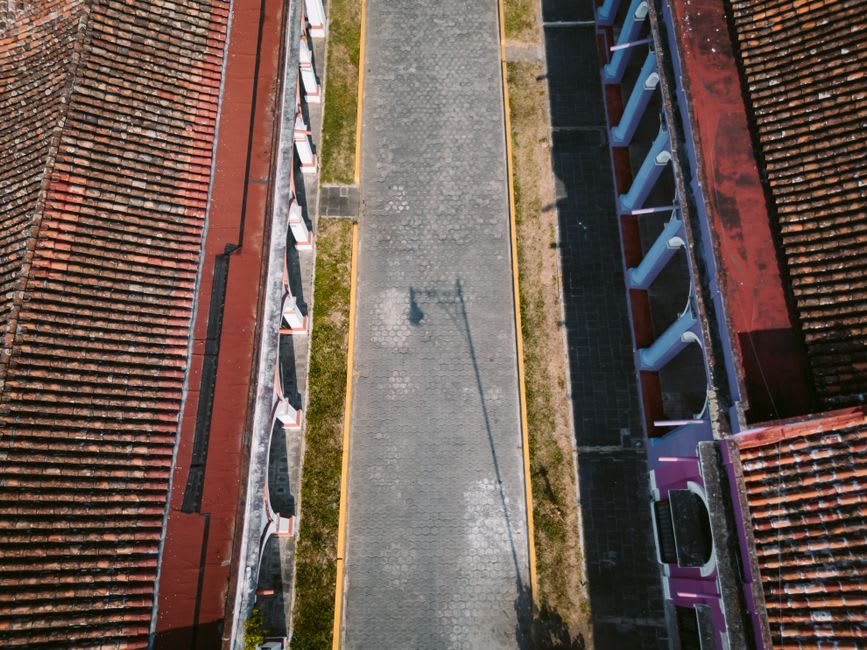
Cosalá was founded in 1550 and spent the next two hundred years feeding silver out of the sierra and into the colonial economy. The Parroquia de Santa Úrsula anchors the plaza — a thick-walled, whitewashed church that looks built to last another three centuries, which it probably will. Inside, the gilded retablos are in better condition than anything I’d seen in the coastal churches; fewer tourists, less humidity, better luck. The Museo de Minerología on the main street runs through the town’s mining past with genuine pieces — ore samples, old tools, period photographs — and takes about forty minutes to walk through properly. The plaza itself is small enough that you can cross it in a minute, which means you end up crossing it five or six times a day and slowly start recognizing faces. By my second evening, the woman who ran the taquería near the jardín was already waving when she saw me coming.
The Thermal Springs Outside Town
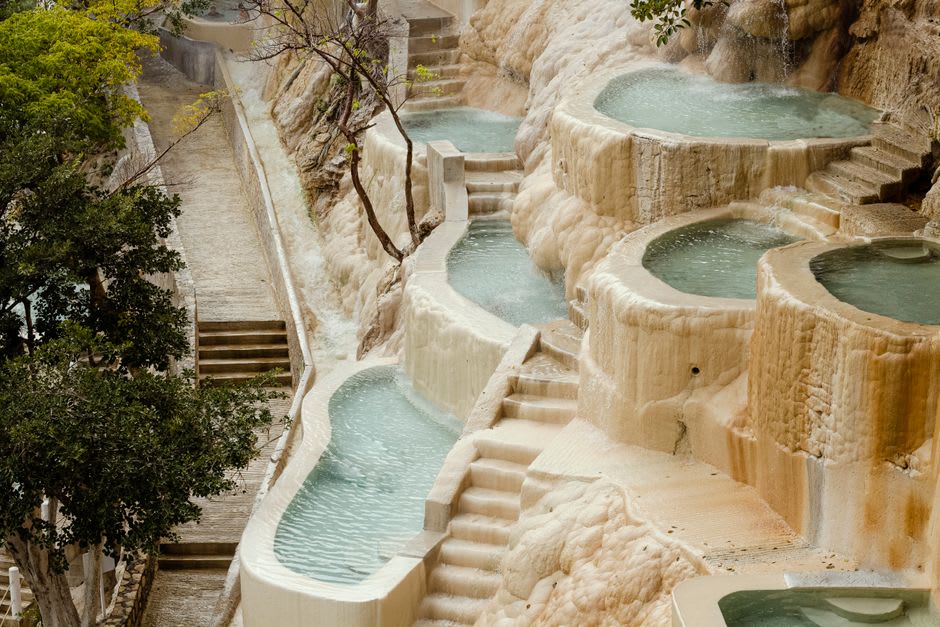
The baños termales at Vado Hondo sit about eight kilometers from the centro, down a dirt road that requires patience but not a truck. I went on a Thursday morning and had the pools mostly to myself — two concrete pools fed by water that comes out of the ground warm enough to ease into slowly, surrounded by riverine vegetation and the sound of moving water. Locals bring coolers and spend half a day here on weekends; weekday mornings are quieter. There’s a small charge to enter, a few hundred pesos, and basic facilities but nothing fancier. Bring your own food. The drive back into town afterward, with the sierra framing the valley on all sides, is one of those moments where you understand exactly why someone founded a town here in the first place.
Eating and Staying
The cooking in Cosalá skews sierra rather than coast — more beef, more goat, more dried chiles, less seafood. I had a bowl of caldo de res at a comedor on Calle Rosales that was straightforward and very good, the broth long-cooked with chayote and corn. The pozole on Saturday morning at the market stalls near the mercado municipal was worth getting up early for. Two or three small hotels and guesthouses operate in the centro; I stayed at a place just off the plaza where the room had thick walls, a ceiling fan, and no reason to complain.
Getting There
Cosalá is roughly 120 kilometers southeast of Culiacán, about two hours by car on a winding but paved road. There are occasional shared vans (combis) from the Culiacán central bus station, but schedules are loose — confirm locally the morning you plan to travel. No direct buses from Mazatlán; coming from the coast means routing through Culiacán. A rental car gives you the most flexibility, including access to the thermal springs road.