Altata
"The aguachile at Altata was so fresh that I felt a complicated gratitude — the kind that comes when something has been alive very recently and tasted extraordinary."
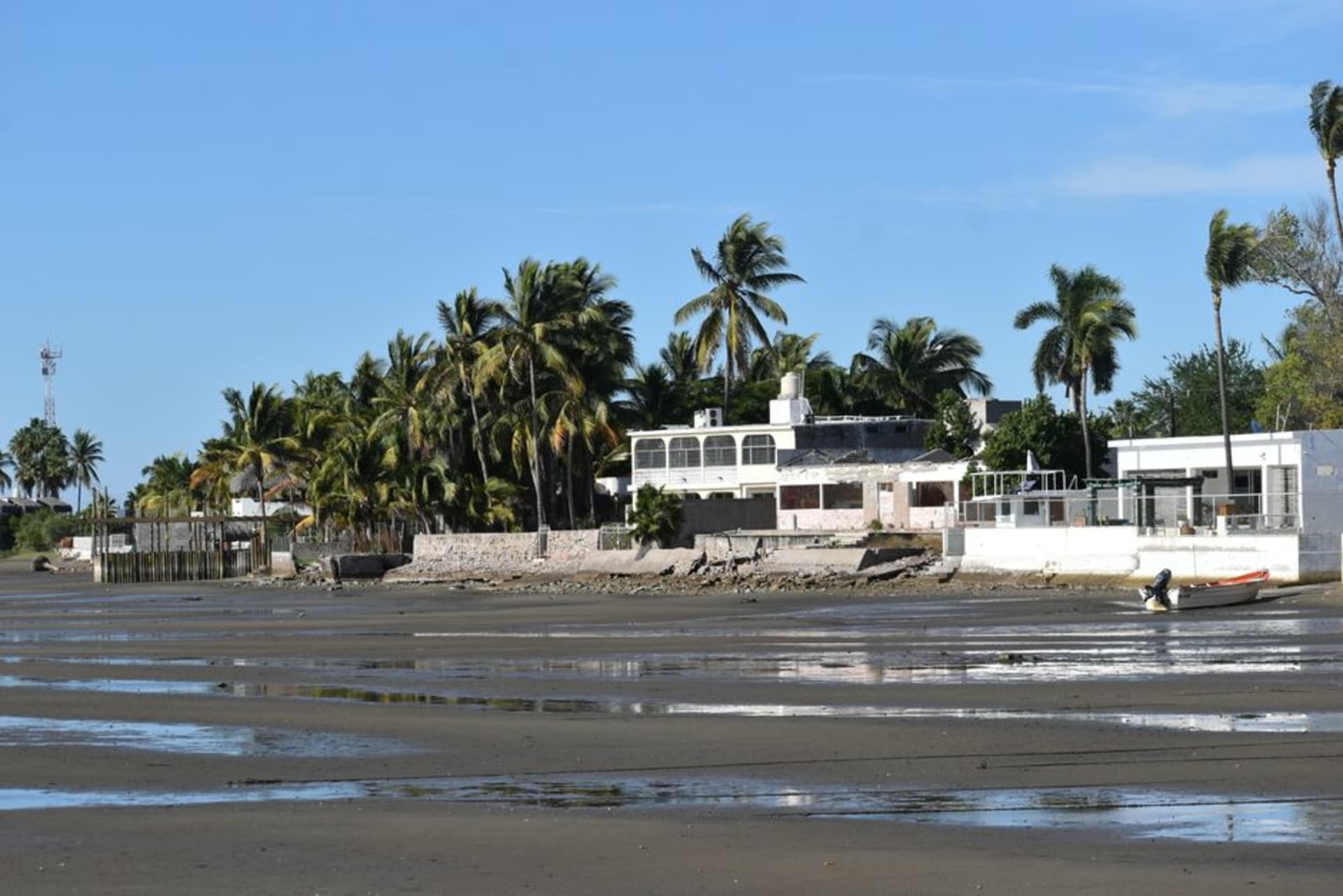
Most beaches on the Pacific coast earn their visitors through effort — a long bus ride, a dirt track, some minor adventure to make the arrival feel deserved. Altata asks almost nothing. Drive sixty kilometers west from Culiacán on a flat highway and then, rather suddenly, the land thins to a strip between the ocean and a network of mangrove channels, and you have arrived. On Saturday mornings, half of Culiacán appears to have had the same idea. Families arrange themselves under palapas, coolers already open, and the smell of grilling shrimp begins its work before you have found a place to sit.
The Channels Behind the Beach
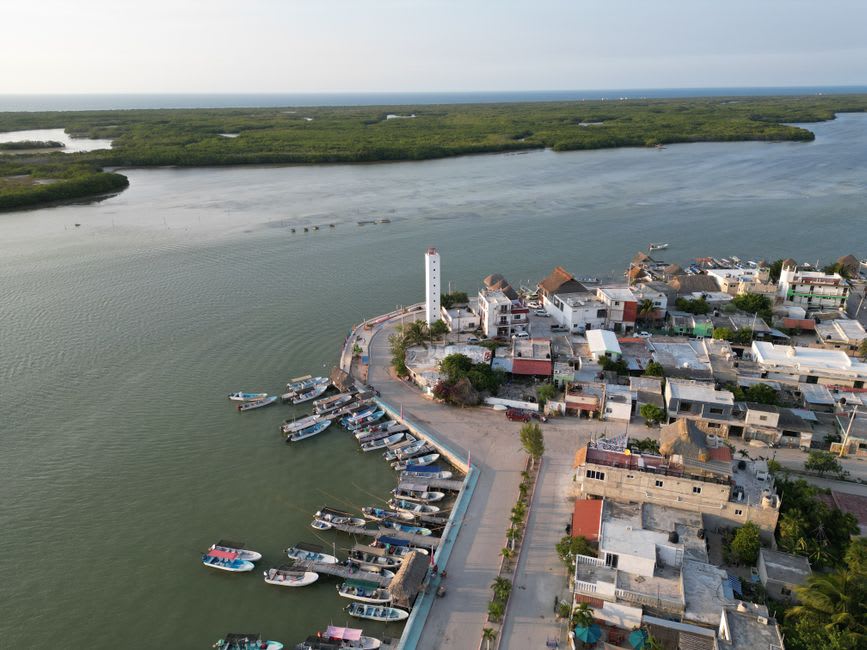
The thing nobody explains about Altata is that the beach is almost secondary. The real geography is the system of esteros — tidal channels threaded through mangrove — that runs along the inland side of the peninsula. I rented a kayak from a man operating out of a palapa near the main embarcadero and spent the better part of a morning going deeper into the channels than any sane tourist probably should. The mangroves here are in good shape, dense and tangled at the waterline, with herons working the shallows and egrets lifting off at the last possible moment. At one point the channel narrowed to barely the width of my kayak and I could hear the ocean on one side and nothing but birds on the other. It is the kind of silence that feels earned, which is funny, because Altata is supposed to be the easy beach.

Aguachile and the Economics of Freshness
Sinaloa has a reasonable claim to being the origin of aguachile, and Altata has a reasonable claim to being where you eat it best. The logic is simple: the shrimp in your bowl were likely swimming in those mangrove channels this morning. At El Delfín, on the malecón facing the estero, I ordered the aguachile verde — shrimp barely cured in lime juice with blended serrano and cucumber — and spent a few quiet minutes thinking about how there is a category of freshness that goes beyond fresh and becomes something almost philosophical. The shrimp were still slightly translucent at the center. The heat from the serrano came in slowly, the way good heat does. I ate it with tostadas and a cold Pacifico and watched the pelicans working the channel and thought that this was an unreasonably good lunch for a Tuesday.
Timing and the Weekend Question
Come on a weekday if you can. Saturday and Sunday, Altata functions as an outdoor dining room for Culiacán — loud, cheerful, full of families with industrial quantities of beer and botana — which is its own experience and not without charm. But Tuesday or Wednesday, the place settles into something quieter. The mariscos restaurants still open around noon; the fishermen still bring boats in through the morning. I walked the beach for an hour without seeing anyone I had not chosen to see. If you are coming down the Sinaloa coast from the north, Altata makes a sensible half-day stop — long enough for lunch and a kayak rental on the estero, short enough that you are back on the road before the afternoon heat becomes a topic of conversation.
Getting There
Altata is sixty kilometers west of Culiacán on a good paved road — roughly an hour by car. From Culiacán’s central bus station, colectivo taxis run to Altata on weekends; on weekdays it is easier to hire a cab or rent a car. There is no through road beyond Altata worth taking — you come here specifically, or you do not come.