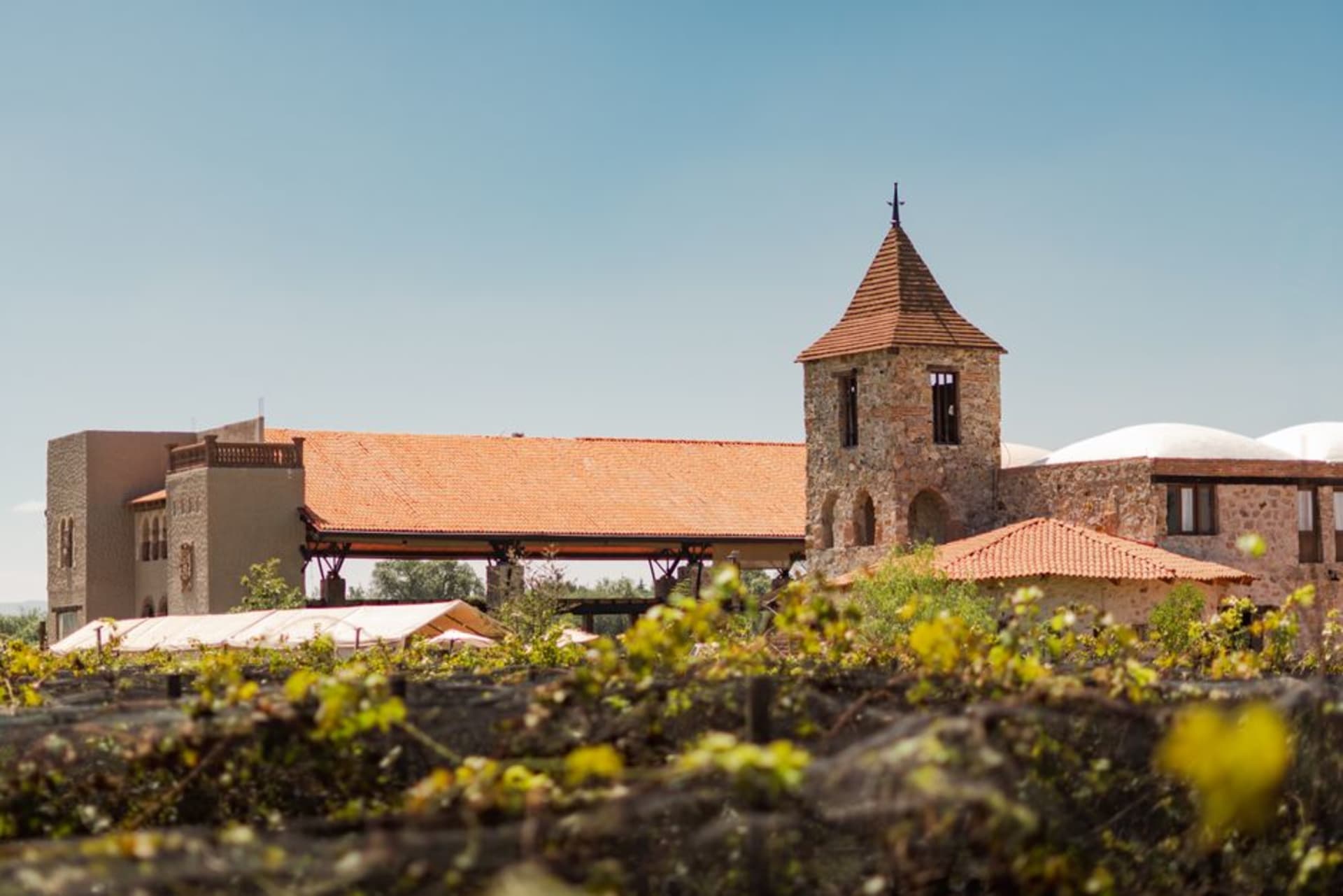
Ezequiel Montes
"Mexican wine still surprises people who should know better by now — an afternoon in Ezequiel Montes will cure that particular ignorance very pleasantly."
The first thing that disoriented me was the light. I had driven north from Querétaro city on the 57D and then cut east, expecting scrub and dry hillsides, and found instead a plateau that spread toward the Sierra Gorda in a way that looked — I kept reminding myself where I was — almost Castilian. Ezequiel Montes is a small municipality most people pass through without stopping, which is how wine regions begin: misread for years, then quietly taken seriously. The Bajío has not quite reached the crowded phase yet. I arrived on a Thursday in February with no one else on the road.
The Altitude Argument
The elevation explains it. At 1,800 meters, days run warm enough to ripen fruit and nights drop sharply — sometimes fifteen degrees between afternoon and midnight — which forces the grapes to hold acidity rather than collapsing into sweetness. Nobody thought this plateau would produce serious wine. Then Cuna de Tierra made a Tempranillo-Syrah blend that started winning at international competitions, and the conversation changed faster than the skeptics could revise their opinions.
Freixenet México, the Spanish cava house that planted here decades ago when most people considered it eccentric, looks almost prescient now. Their sparkling wines are made by méthode traditionnelle and are genuinely good — not good for Mexico, simply good. I spent a long afternoon at their tasting room working through a flight and watching the light shift east across the sierra, and felt no urgency to leave.
The estates are distributed across the plateau rather than concentrated. Each requires a different set of turns, some of them unmarked. Getting slightly lost is not the worst outcome on a wine route.
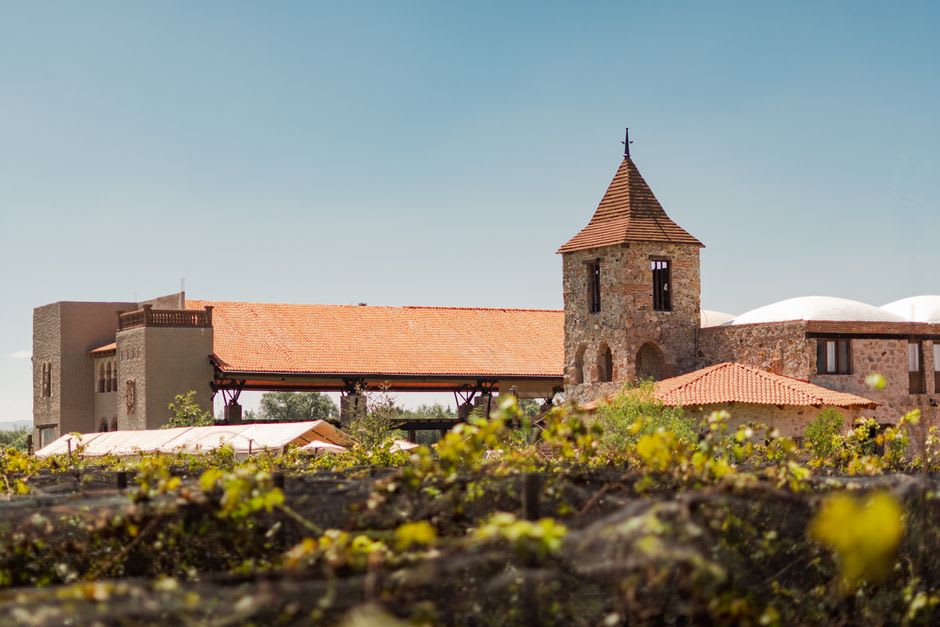
The Town Behind the Vineyards
The municipality itself is a modest place — a church, a jardín, a market that runs on its own logic. On Saturday mornings the Mercado Municipal fills with producers from surrounding ejidos: dried chiles, fresh cheese from nearby dairies, nopal cooked into quesadillas right on the comal. This is highland Querétaro food, not wine-country food, which means enchiladas mineras if you can find someone making them properly, and gorditas de chicharrón for almost nothing.
The town does not perform itself for visitors the way San Miguel de Allende does. There is a café near the jardín — I failed to write down the name — that served me a decent cortado and a pan de elote on a Tuesday morning with no one watching and nothing to photograph. That is either a flaw or the entire point, depending on what you are looking for in a place.
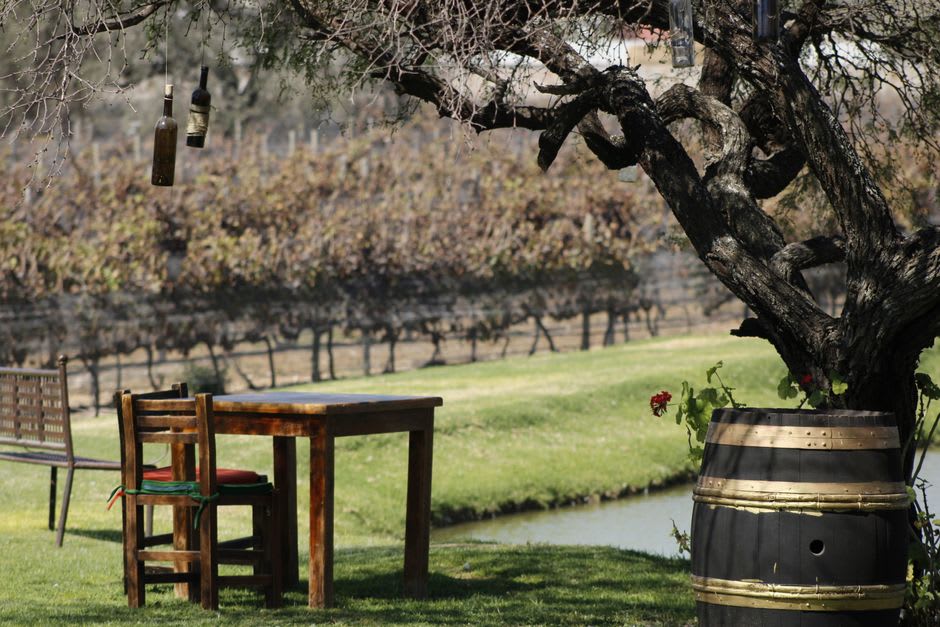
How to Spend the Day
If I were advising someone with a single day: start at La Redonda, the most approachable of the estates, which has a restaurant where you can eat under trellised vines. Go mid-morning before the weekend lunch crowd arrives. Move to Cuna de Tierra in the afternoon when the tasting room has thinned and the light is lower. Buy whatever the current vintage of their Malbec is — it tends to be the most interesting thing they are making at any given moment.
Skip the resort-style wineries that have appeared recently with infinity pools and Instagram terraces. The ratio of scenery to substance tilts in the wrong direction. The unglamorous producers with honest wine and no outdoor furniture are where the real argument for this region gets made.
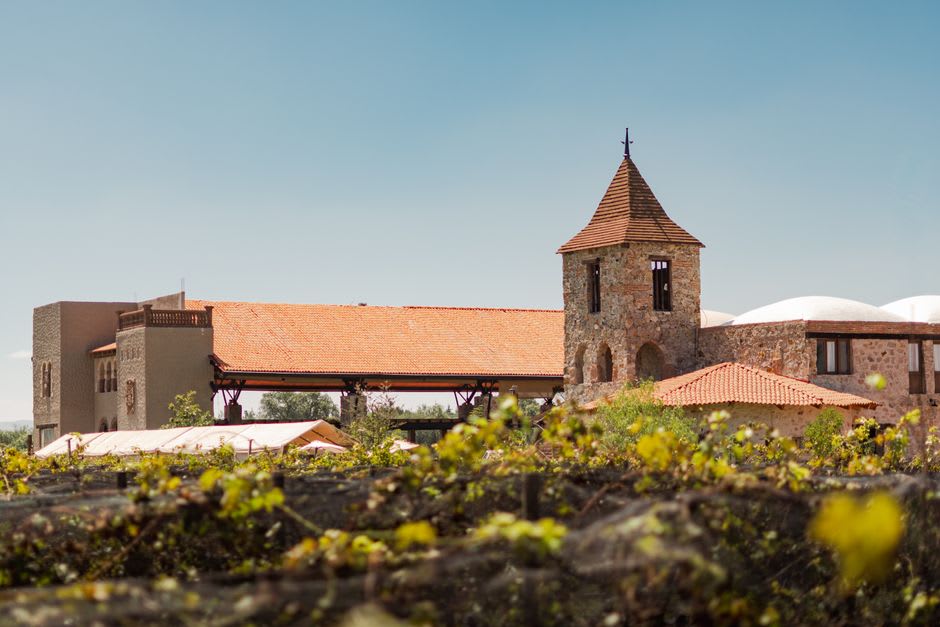
Getting There
Ezequiel Montes sits about 70 kilometers northeast of Querétaro city — roughly an hour by car on the 57D toward San Luis Potosí, then east on federal highway 120. There is no useful public transport connecting the wine estates; a car is necessary. Most producers ask for weekend reservations. The region works as a day trip from Querétaro city or as an overnight combined with San Juan del Río to the south.