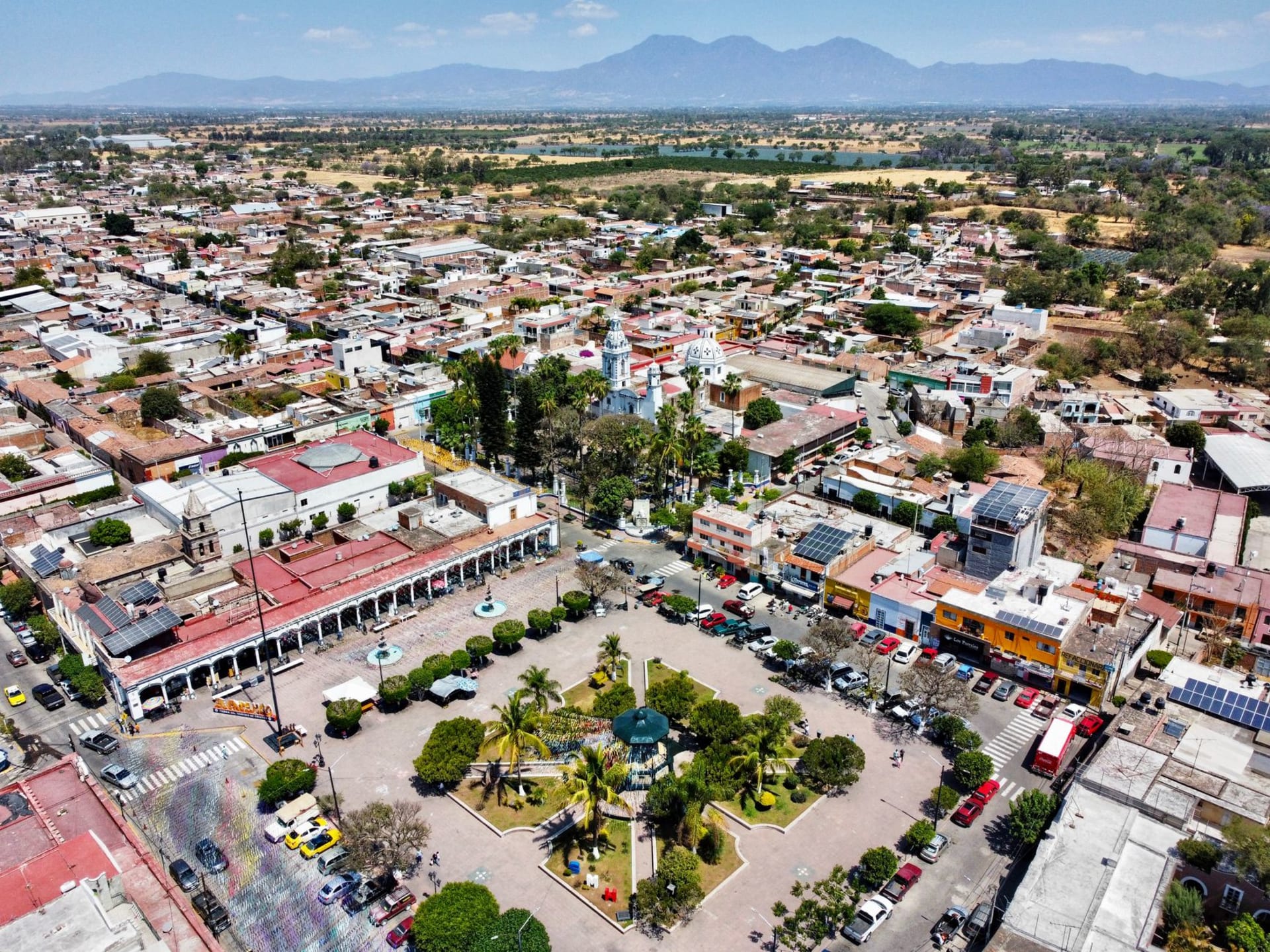
Cadereyta de Montes
"I went in planning to spend thirty minutes. Two hours later I was buying a cactus from the nursery and rethinking my afternoon."
I had planned to stop in Cadereyta for forty-five minutes. There is a certain kind of overconfident travel math where you allocate forty-five minutes to a town because you have read that it is “charming” and “worth a stop” and you assume that means a brief walk through the plaza and a coffee and then back in the car. I did this with Cadereyta. I was wrong.
The Jardín Botánico Regional de Cadereyta is the reason the math fails. It takes up forty-four hectares on a hillside on the edge of town, and it contains over two thousand species of succulent plants — cacti, agaves, yuccas, and xeric species from the Chihuahuan Desert, the Sierra Gorda, and the broader dryland ecosystems of northern Mexico. It is, according to the people who care about such things, one of the most important cactus collections in the world. I did not know this before I arrived. I found it out by going in.
Inside the Garden
The collection is organized in rough geographic and taxonomic sections, and the scale of it — the physical size of the plants — is the first thing that recalibrates your expectations. I am used to cacti as small potted things, the kind you buy at a garden center and put on a windowsill. The columnar cacti in the Cadereyta garden are five, eight, ten meters tall, grouped in formations that produce a landscape that looks simultaneously austere and abundant. A stand of tall cardón cacti against a blue Querétaro sky has a compositional quality that makes you want to look at it for longer than is technically justified.
The agave section is extraordinary. Mexico has somewhere over 200 native agave species, and the garden has a substantial portion of them in one place — the variation in size, form, color, and spine structure across the species makes the agave genus feel like an entirely different category of plant than the blue agave you see on tequila bottles. Some are small and almost grass-like. Some are enormous rosettes that look like architectural elements that grew.
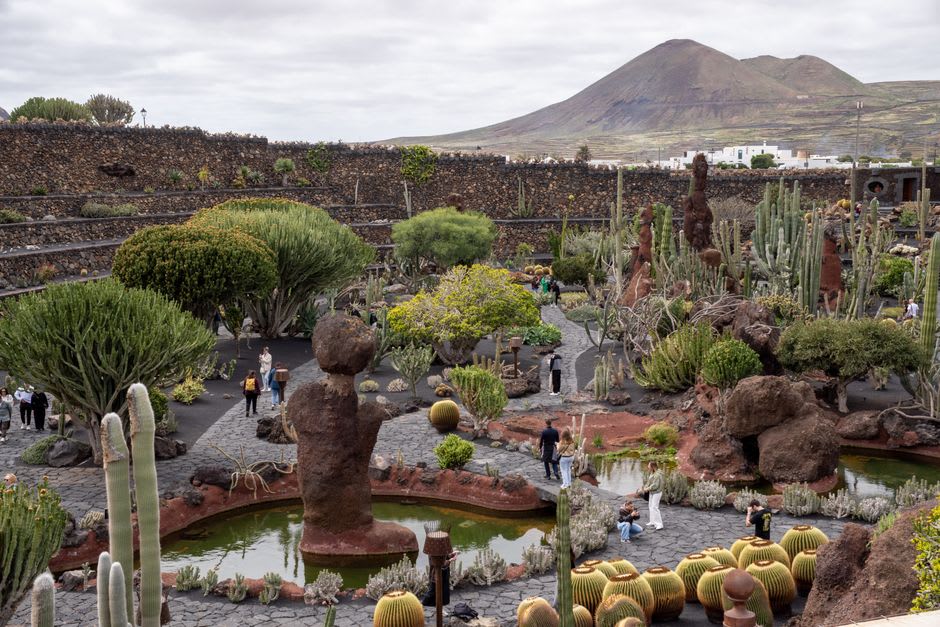
I spent the first hour walking the main paths and the second hour in the sections I had already passed through, looking at things I had missed the first time. The garden is built on terrain with some topographic variation, which means that turning a corner sometimes opens a view over a section of the collection you had not seen yet, and that view is frequently very good.
The Nursery, and the Problem of Traveling with Plants
At the exit there is a small on-site nursery selling propagated specimens from the collection. The plants are priced modestly and labeled correctly, and this is dangerous if you have any interest in plants at all. I bought a small Mammillaria — a golf-ball-sized cactus with precise geometric spine patterns — for eighty pesos. The woman at the nursery wrapped it in newspaper and put it in a small plastic bag and I carried it for the rest of the day and the entire bus journey home and it is currently alive on my windowsill in Mexico City, which I consider a success.
Lia pointed out that I could have bought plants at a garden center without driving to Cadereyta. She is technically correct. But I would not have known what I was buying or where it came from, which is the point.
The Town, the Church, and the Route
The town of Cadereyta itself is what I mean when I talk about places visited deliberately rather than accidentally — a colonial plaza with the calm of somewhere that knows what it is and does not need to perform it for visitors. The parish church of San Pedro y San Pablo has an interior worth a proper look: good colonial painting, an altarpiece of some quality, the combination of stonework and light that the builders of sixteenth-century New Spain churches understood better than almost anyone.
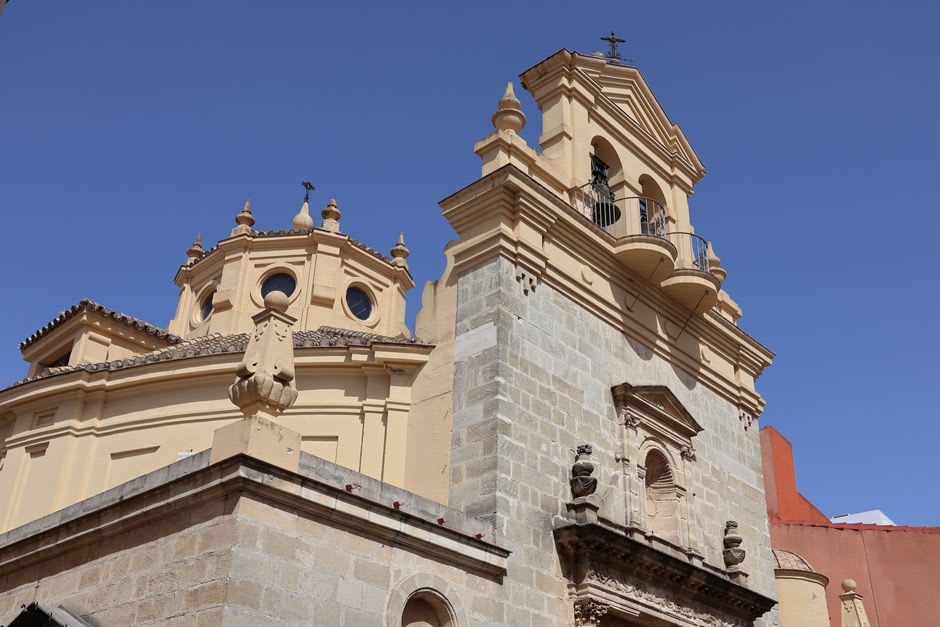
Cadereyta is the gateway to the Sierra Gorda biosphere reserve and the UNESCO-listed Franciscan missions of the Querétaro highlands — five extraordinary baroque churches built in the eighteenth century in mountain towns that are otherwise very small. If you are doing the Sierra Gorda circuit from Querétaro city, Cadereyta is the point where the highway begins to climb and where you should stop before the ascent. Go to the botanical garden first.
The garden opens in the mornings and closes in the afternoon; check current hours before you go. Admission is nominal. Forty-five minutes is not enough.