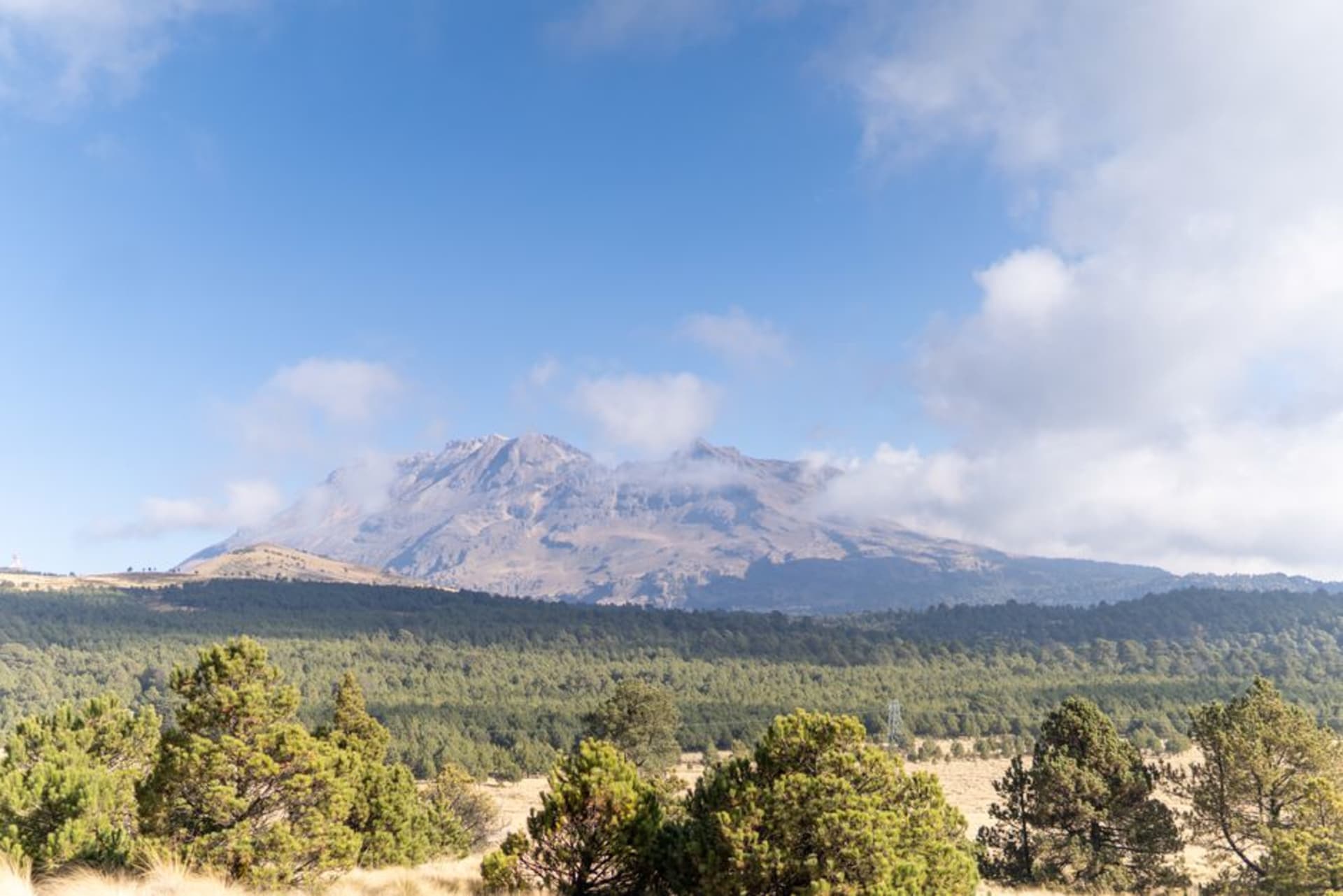
Tlatlauquitepec
"The fog rolls in off the sierra every afternoon and makes the town disappear for an hour."
The first thing I noticed stepping off the bus in Tlatlauquitepec was that I was cold. Not pleasantly cool — actually cold, the kind that makes you rifle through your bag for the jacket you almost left behind. I had come up from Teziutlán in just under an hour, the road climbing through shade-grown coffee trees that get progressively more gnarled and wind-bent the higher you go. By the time the zócalo appeared through the windshield, the temperature had dropped maybe fifteen degrees. A woman at the stop was wearing a wool rebozo. I put on my jacket. It stayed on.
The Drive Up Is Half the Reason to Go
The road from Teziutlán to Tlatlauquitepec climbs through one of the more productive coffee belts in the Sierra Norte of Puebla, and if you take the bus you miss most of the detail, but even from the window the scale registers: row after row of Arabica under the shade of inga trees, the slopes too steep for anything other than hand-picking. In town, several small cafés take that elevation seriously. I found one on the north side of the plaza — the kind of place where the owner grinds to order and can tell you which ejido the lot came from — and ordered a washed-process cup that had a stone-fruit brightness I was not expecting this far from Oaxaca. I went back the following morning. The coffee here is not incidental to the identity of the place; it is the economy, the landscape, and the reason the mountain smells the way it does when the fog lifts around noon.
A Church That Took Multiple Generations to Finish
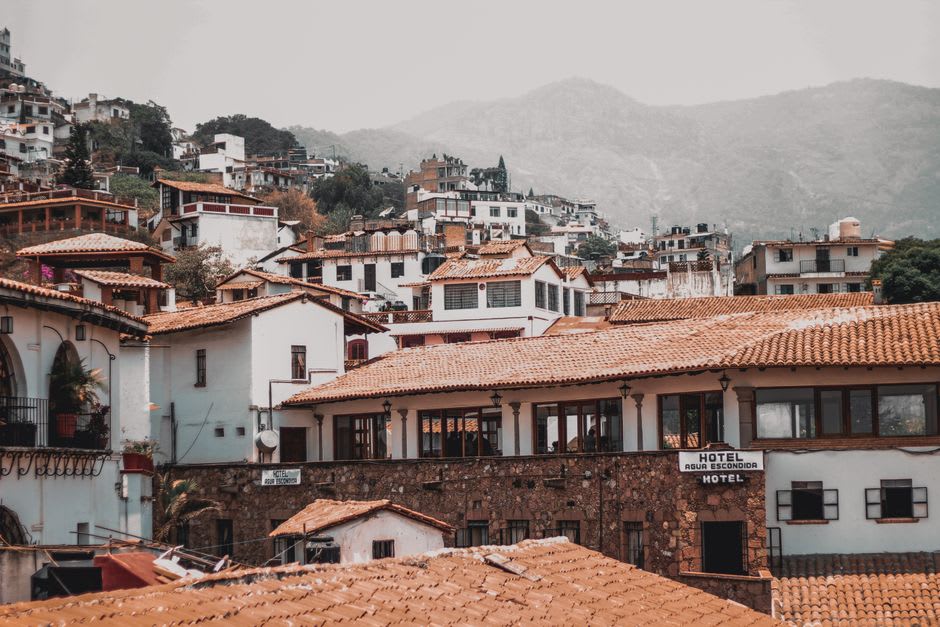
The Parroquia de San Andrés Apóstol anchors the main plaza with the authority of a building started in the sixteenth century and not completed until the nineteenth. You can read the timeline in the stonework if you stand close enough: different cuts, different carving vocabularies, the facade a sediment of decisions made two hundred years apart. Inside it is cold and dim and unexpectedly moving, the altar lit by candles even in full afternoon. I arrived at dusk on my first evening, when the fog had already come in off the sierra and the church lights were the only warm thing visible from the square. The combination of those two things — the centuries in the stone and the mountain cold pressing in from outside — did something to my sense of scale that I have not entirely recovered from.
What the Market Carries
The municipal market sits a block from the main plaza and operates every day, but the Thursday and Sunday tianguis are when the surrounding communities come down from the sierra. That is when you find the things I have not seen sold anywhere else: dried mushrooms I could not identify, chiles in colors and shapes that appear in no guide I have ever consulted, local honeys in unlabeled jars sealed with wax. I bought a bag of wild hongos from a woman who grew animated when I asked how to cook them — she described a preparation with epazote and crema that I attempted, badly, the following week in my kitchen in Puerto Escondido. Buy the coffee to take home. Buy the mushrooms. Eat a bowl of caldo de res at one of the comales before you leave.
Getting There
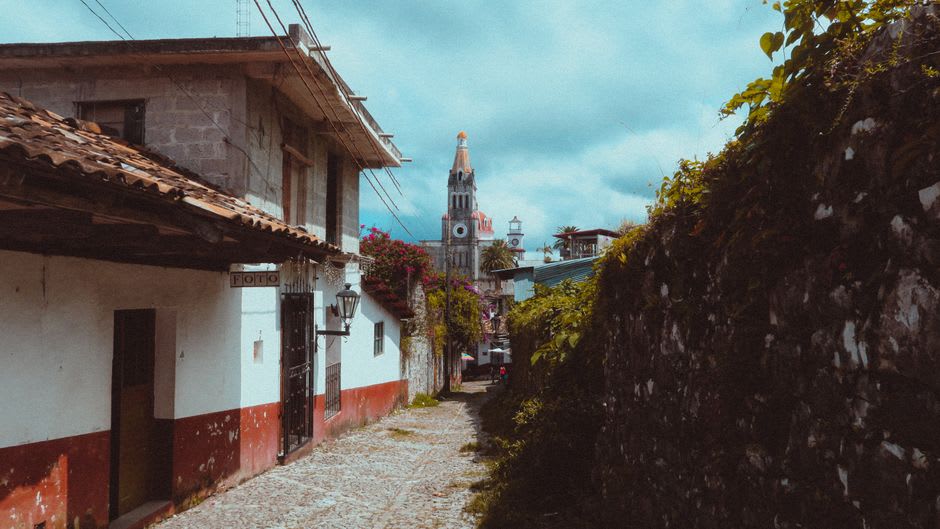
Tlatlauquitepec is about 30 minutes from Teziutlán by colectivo or bus, and Teziutlán connects to Puebla city in roughly two and a half hours and to Xalapa in around two hours through the sierra. There is one main road in and it is worth watching out the window the entire way. Budget at least two nights — the morning light and the afternoon fog are two genuinely different towns.