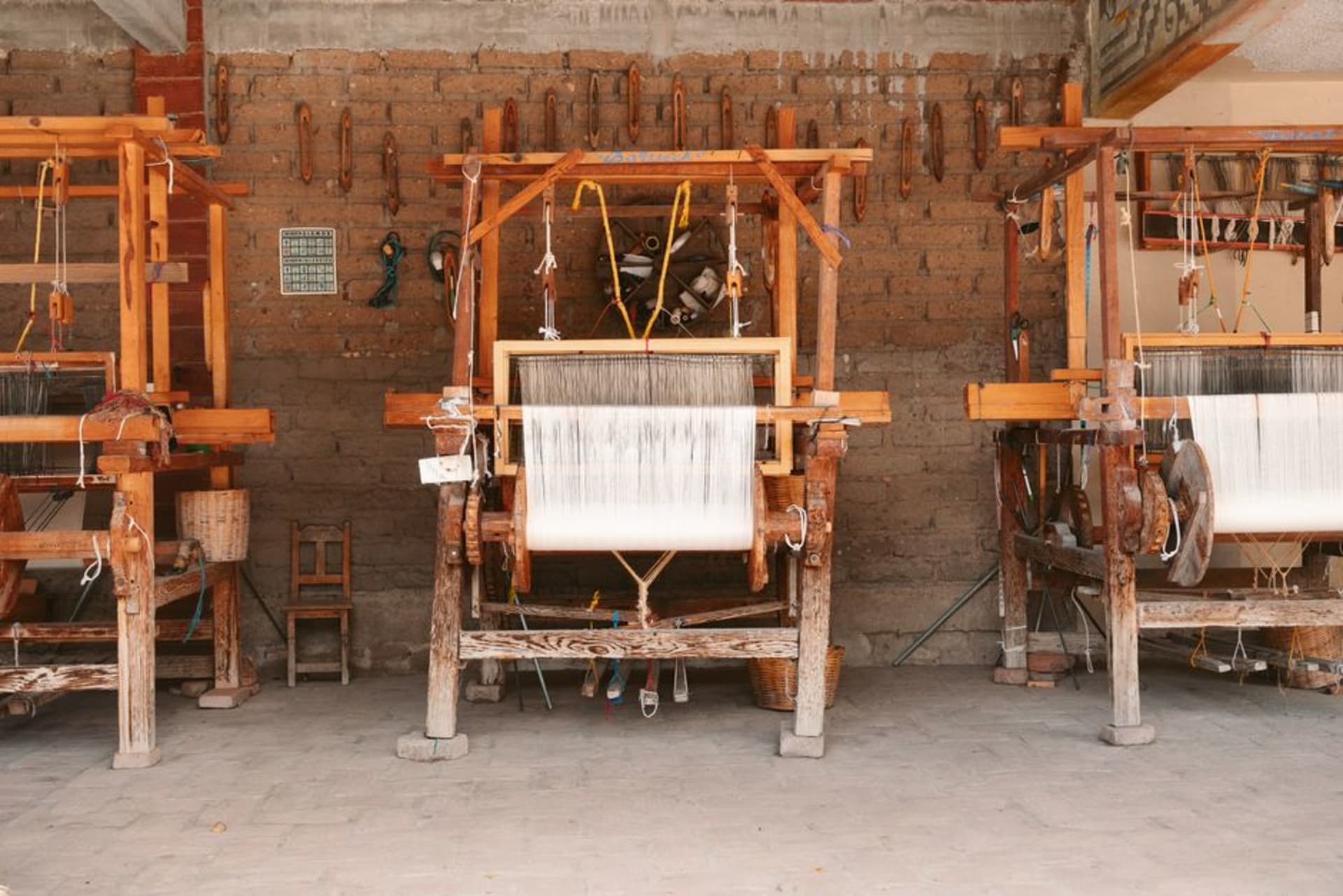
Tecali de Herrera
"Hold a piece of Tecali onyx up to the light. That glow is why this town exists."
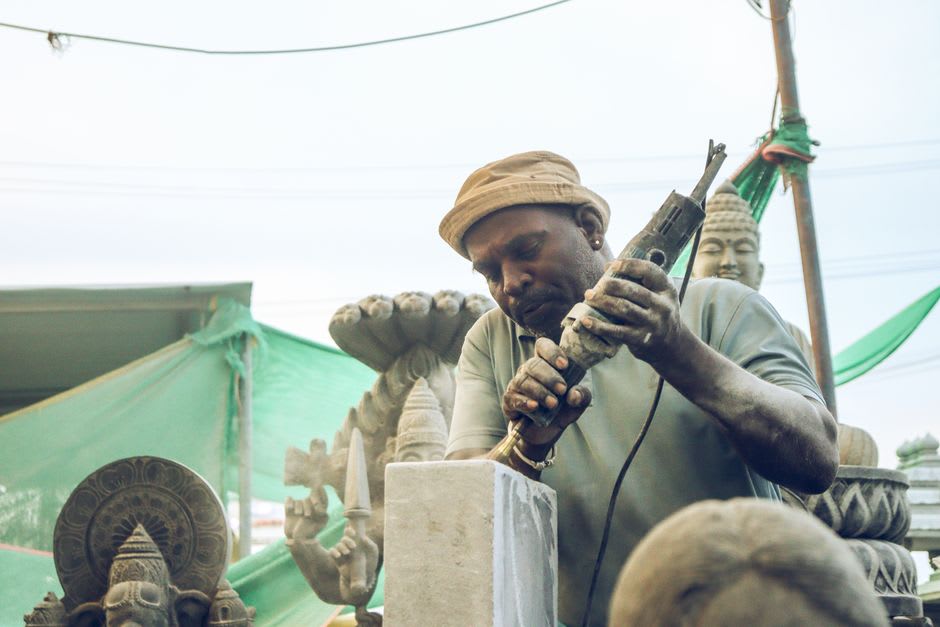
I came to Tecali de Herrera on the word of a stranger, which is typically how I end up somewhere worth going. She was serving me memelas at a roadside comedor between Izúcar and the Puebla bypass — I had an hour before my bus, she said Tecali, just that, and went back to her comal. The town sits roughly an hour southeast of Puebla City along the MEX-190, folded into the dry scrub hills of the Tehuacán corridor. When you arrive, the activity is immediate and unmistakable: workshops open to the street, the high whine of angle grinders, and a fine pale dust settling on every horizontal surface.
Stone That Glows
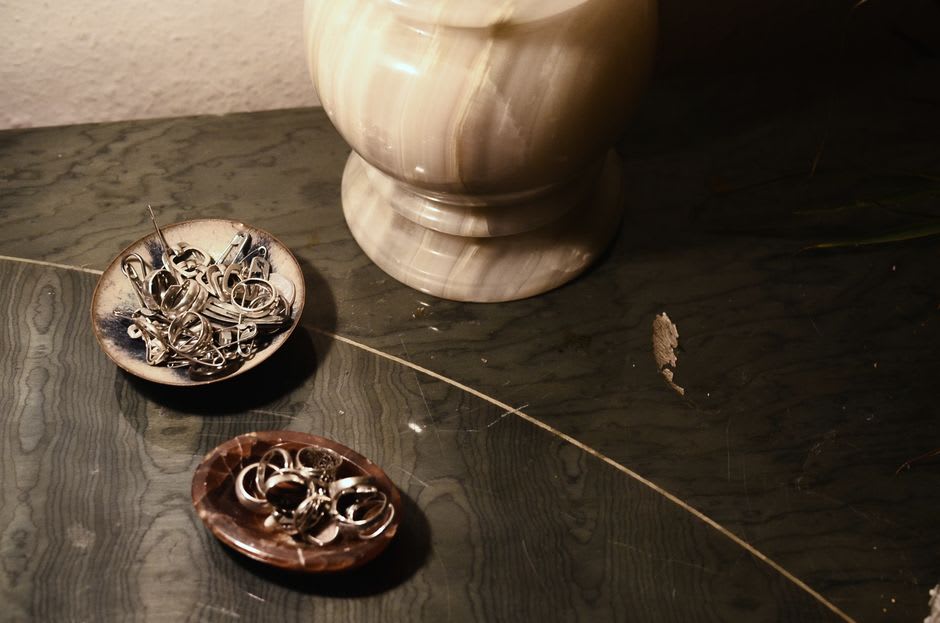
What they work here is banded calcite — locally called onyx, though technically that’s a loose translation — quarried from deposits in the surrounding hills that have been exploited since before the Spanish arrived. The Mixtec used it for ceremonial objects. The colonizers repurposed the trade for churches and altarpieces. Contemporary artisans carve it into lamps, fruit bowls, decorative panels, chess sets, and occasionally things that exist somewhere between art and ashtray. The range of the material itself is remarkable: deep amber, cool gray-green, something nearly white that catches light differently depending on which wall it’s facing.
Most workshops are open to the street and to visitors without charge or formality. You walk in during working hours — roughly eight in the morning until five, closed Sundays — and you watch. A craftsman might stop to show you a rough slab from the quarry, or to hold a finished bowl against the window so you see what the stone does in light. That’s the moment it makes sense: the mineral stops being an object and starts being a lens, and whatever light is passing through it becomes something warmer than it was. There is no tourism apparatus around any of this, which is precisely why it works. Nobody is explaining the tradition; they’re just practicing it.
The Market and the Church
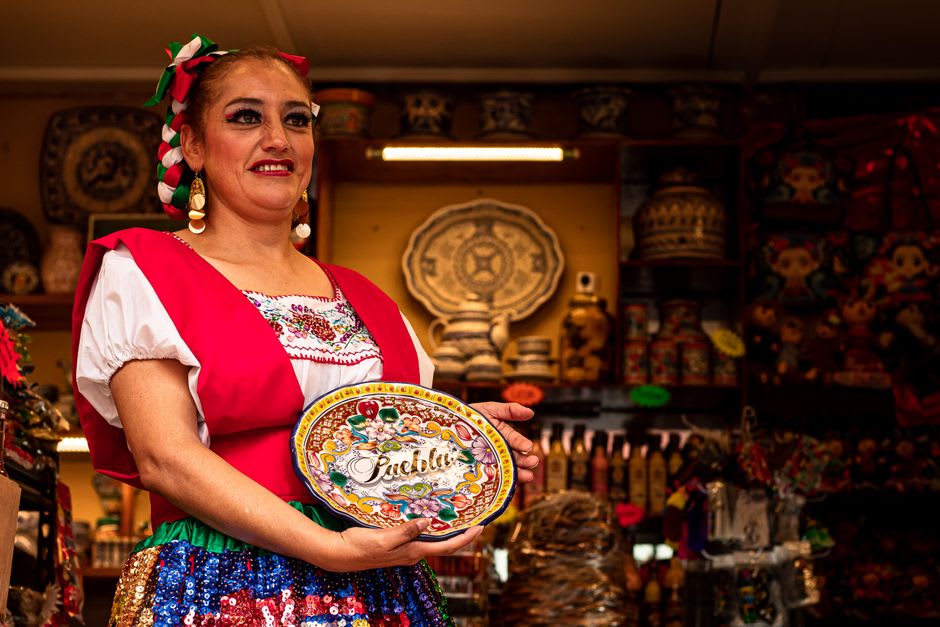
Tecali’s zócalo is small and unremarkable in the way that small unremarkable zócalos tend to quietly become your favorite part of a town by the time you leave. The market just off the square runs weekdays and Saturday mornings: tlayudas, memelas, stewed black beans sold by the cup, roasted corn. I ate at a metal folding table while a vendor rearranged a display of onyx candleholders that nobody was buying. It was a good lunch.
The church — the Parroquia de San Mateo Apóstol — is worth ten minutes inside. Some of the decorative stonework around the altar incorporates local onyx, or something that reads the same way: a warm amber translucence that the light from the side windows hits correctly around noon. Colonial churches in Mexico are rarely subtle, but Tecali’s manages something close to it. It feels less like a monument and more like a room someone continues to use.
What to Take Home
The obvious choice is a lamp — the onyx shades glow properly when lit, and even a modest one will survive the bus ride back to Puebla in a well-padded bag. Prices are reasonable by any measure: a small decorative piece runs a few hundred pesos, a lamp shade perhaps eight hundred to fifteen hundred depending on size and grade. Bargaining is accepted but unnecessary; the prices are already fair.
If you want to understand the material before committing, walk the length of Calle Benito Juárez first — most of the larger workshops concentrate there — and give yourself fifteen minutes of looking before you start talking price. The difference between low-grade and high-grade stone becomes legible once you’ve seen enough pieces side by side. The translucency is everything. A piece that glows is worth more than a piece that merely exists.
Getting There
From Puebla City, take a combi or shared taxi from the Terminal de Autobuses del Sur toward Tehuacán and ask to be let off at Tecali de Herrera — roughly forty minutes, under thirty pesos. From Oaxaca, Tecali works best as a half-day detour off the MEX-190; a mototaxi or local cab covers the last few kilometers from the junction. There is no formal bus station. You simply get out and walk.