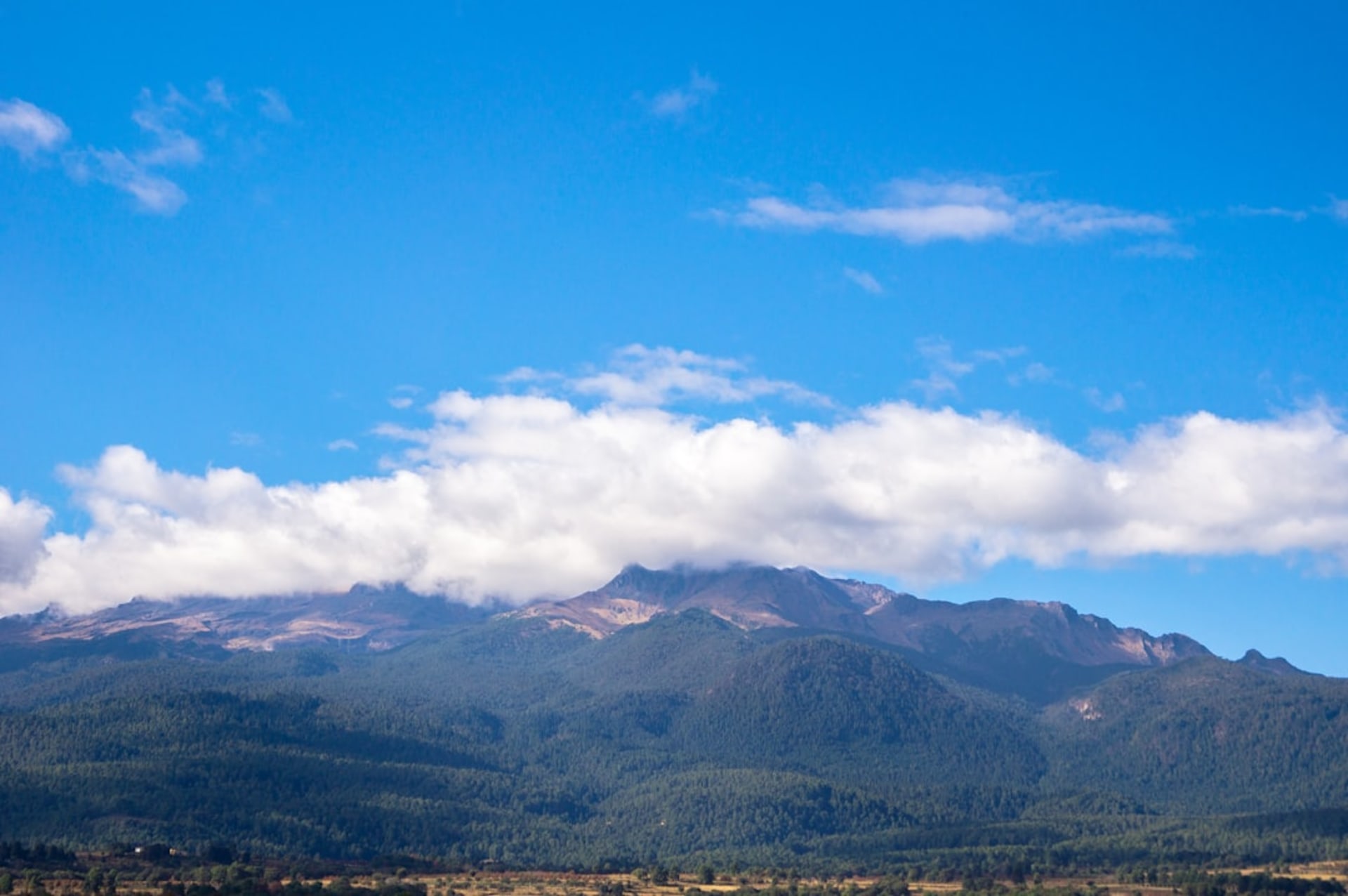
Jopala
"You don't pass through Jopala on the way to somewhere. Jopala is the somewhere, and the road ends by arriving."
Jopala took me two attempts. The first time, the fog on the mountain road got so dense and the switchbacks so relentless that I turned back, unsure I was even still on the right route. The second time I made it, dropping at last out of the cloud into a green so lush and warm it felt like a different country than the one I’d started the day in. Almost nobody comes here, and the town has the deep unhurried quiet of a place genuinely off the map. I’ve rarely felt so far from anywhere.
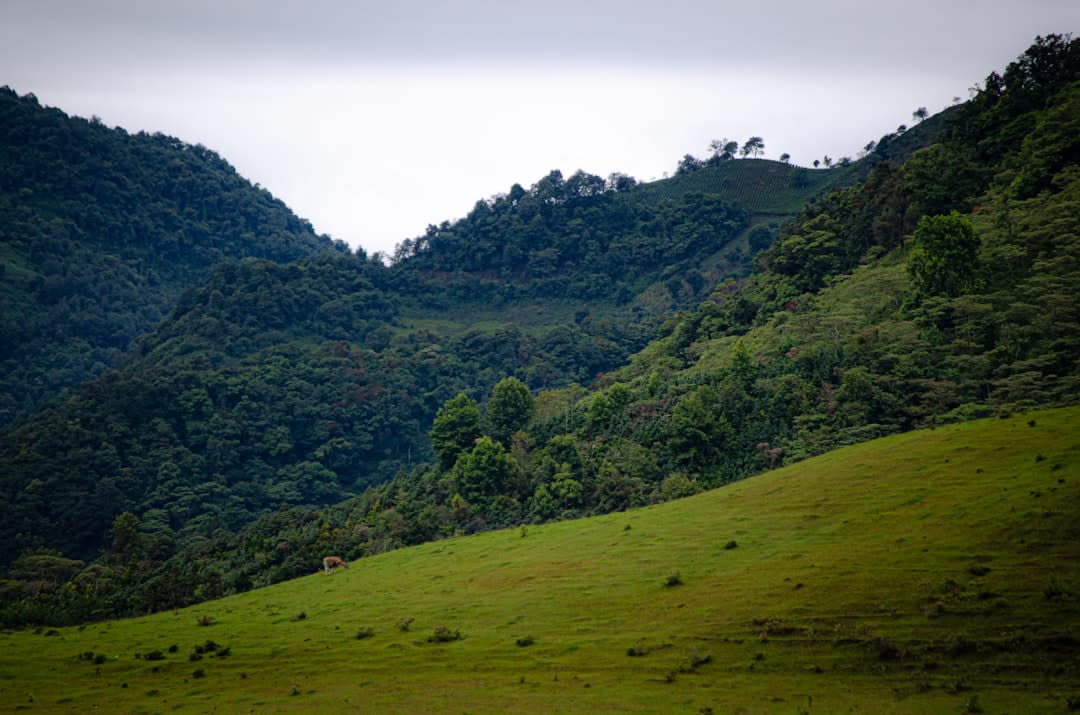
Jopala is a small, remote municipality in the humid lower-and-middle reaches of the Sierra Norte de Puebla, where the sierra begins its long descent toward the Gulf lowlands. The altitude range gives it two worlds: coffee terraces climbing the cooler upper slopes, and banana and citrus filling the warmer valleys below. Between them wind the foggy roads that keep the place so effectively hidden. It is quiet, lush, and almost entirely overlooked — which is precisely its quality.
Coffee on the High Slopes
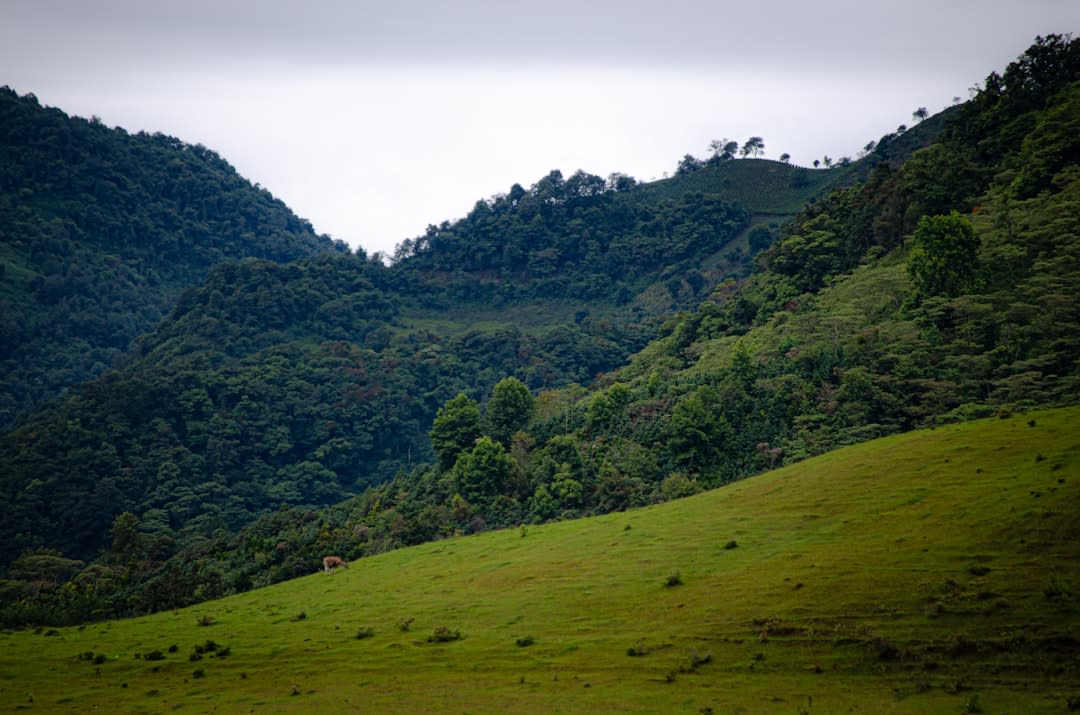
The upper slopes around Jopala are coffee ground, shade-grown terraces stepping up the green inclines into the cooler, mistier air. This is the same excellent Sierra Norte coffee produced all across the region, but here it grows in near-total obscurity, tended by small farmers on steep terraces you reach along muddy tracks.
I walked up into the coffee one grey morning, the fog thickening as I climbed, the terraces disappearing into cloud above me. There’s a particular beauty to a coffee slope in mist — the ordered rows of dark glossy bushes softening into white nothing at the edges. I met a farmer coming down with a load and we talked coffee for a while in the drizzle, and he seemed mildly amused that anyone had come all this way to look at his terraces. So was I, a little. But I was glad I had.
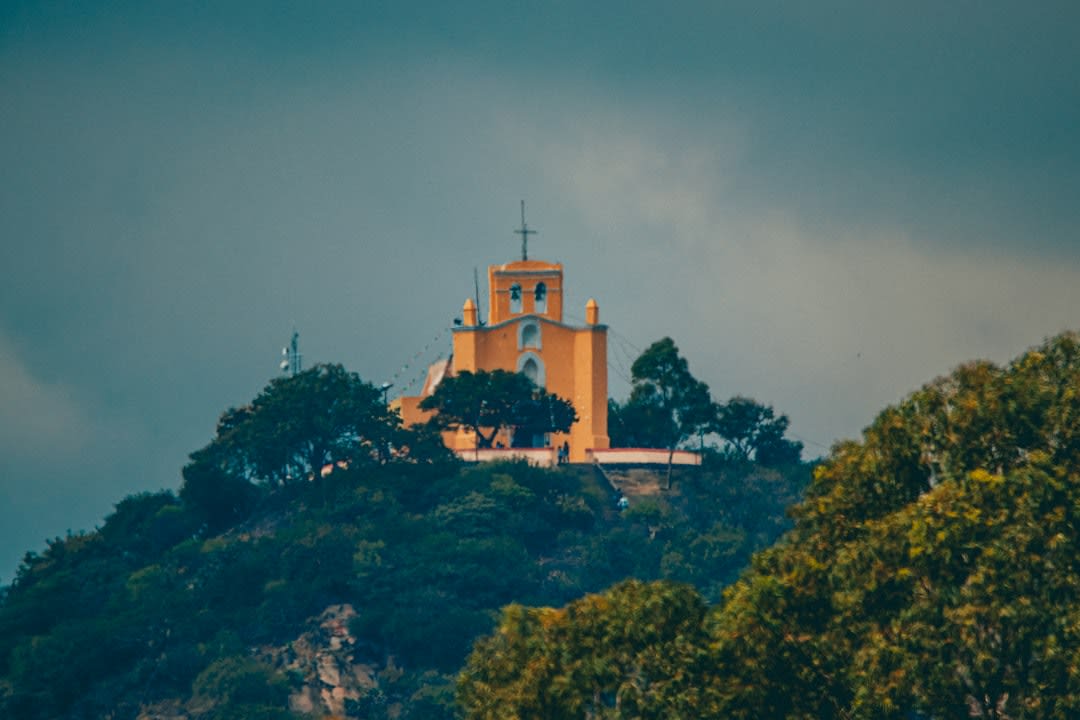
The Warm Green Valleys
Drop below the coffee line and Jopala changes character entirely. The valleys are warmer, more tropical — banana leaves broad and glossy, citrus trees heavy with fruit, the whole lower landscape thick and humid and impossibly green. In the space of a short descent you move from cool cloud-forest coffee country into something that feels almost like the lowland tropics.
I spent an afternoon down among the banana and citrus, the heat rising as I went, the greens getting louder. Fruit grows here with an ease that the steep coffee slopes above never allow — everything heavy, everything ripening. The contrast between the two elevations, within a single small municipality, is the thing I find most remarkable about Jopala: two climates, two agricultures, stacked one above the other on the same green mountain.
Off the Map
What defines Jopala, more than the coffee or the fruit, is simply how far off the map it is. The winding foggy roads that make it hard to reach also keep it profoundly quiet, and the town has the settled, self-contained calm of a place that expects no one in particular and gets on perfectly well without them.
My days here were about as simple as travel gets: coffee in the morning fog, a long green walk up or down the mountain, the slow social evening in a town where a stranger is a mild event. There is no attraction here, no list, nothing arranged for a visitor — only the lushness, the quiet, and the sense of having gone somewhere genuinely remote. In a country where the good places are increasingly found and shared, Jopala remains, for now, mercifully unfound.
Getting There
Jopala lies in the Sierra Norte de Puebla on the humid slopes descending toward the Gulf, reached by winding mountain road from the region’s larger hubs — Xicotepec and Huauchinango are the usual reference points, both connected by bus to Mexico City (roughly four to five hours) and to Puebla. From there the way to Jopala narrows into serpentine, often fog-bound road, and local transport runs it slowly and rarely, so the final stretch demands patience and, ideally, a driver who knows the switchbacks. Come ready for both cool cloud and warm damp — Jopala holds both — and come content with quiet, because quiet is chiefly what it offers.