Huejotzingo
"The Carnaval crowds go home and the ex-convent stands there, enormous and untroubled, and you start to wonder how Cholula ended up with all the attention."
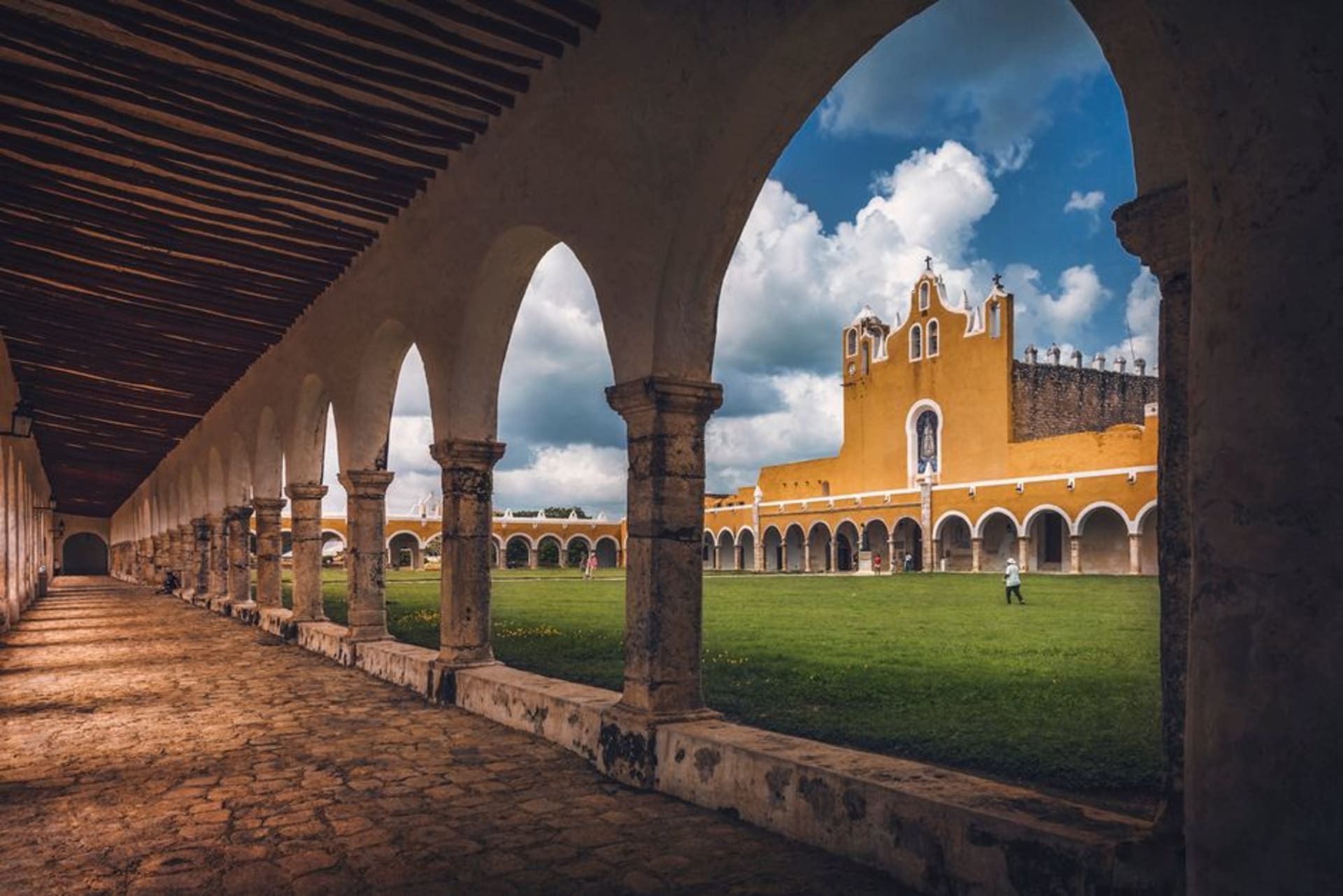
I arrived in Huejotzingo on a Tuesday in October, which is to say I arrived when nobody else was there. The colectivo from CAPU dropped me at the edge of the plaza around eleven, and for a moment I stood with my bag and looked at the ex-convent and felt the specific disorientation of encountering something genuinely large in a place genuinely small. A woman was selling churros from a cart near the atrium entrance. Two men were fixing a truck. The convent did not seem to notice any of this.
Three Days in February
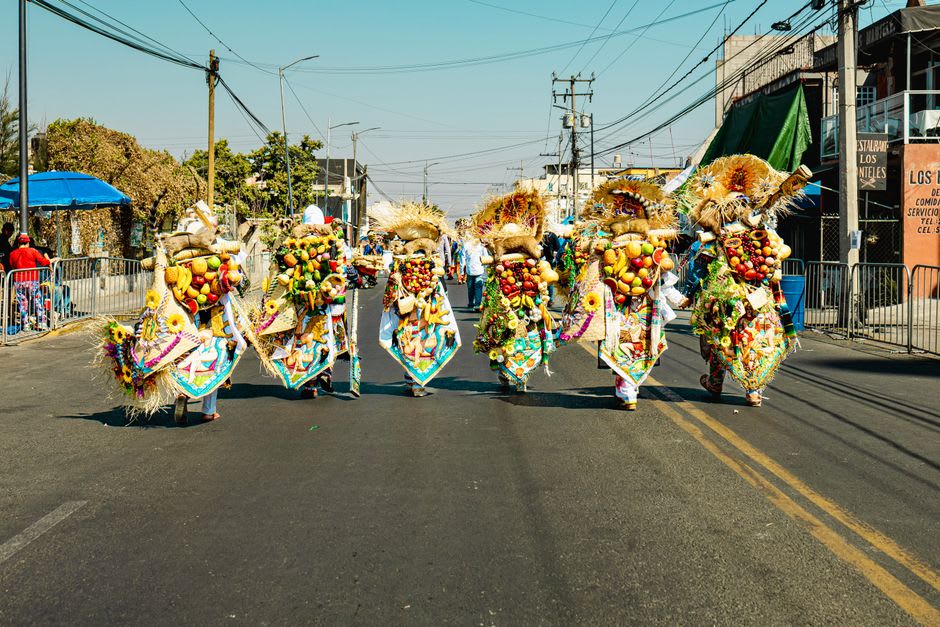
The Carnaval de Huejotzingo runs for three days before Ash Wednesday and has been happening, in some recognizable form, since the mid-16th century — though the exact origin is disputed in the pleasantly unresolvable way of most things in Mexican colonial history. The central conceit is a reenactment of the French Intervention of 1862, pitting Zacapoaxtlas — Indigenous fighters who played a role in the real battle — against French troops and bandits. By the time it actually unfolds, the spectacle has expanded to include a staged kidnapping of a bride, percussion that starts before dawn, and elaborate sequined costumes that families save for and plan months in advance. I was there on a research trip, not during the festival itself — a friend sent me video from the previous February, and the image that stayed was a man in a full hussar uniform, epaulettes and all, holding a paper cup of mezcal at what appeared to be seven in the morning, entirely at peace. That image tells you most of what you need to know.
Stone and Sugar
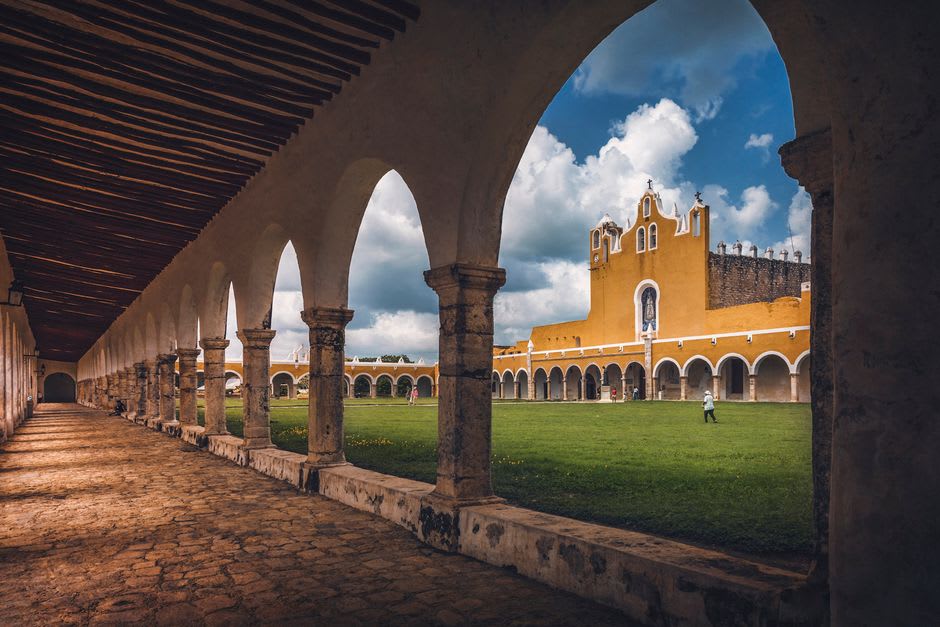
The Franciscan ex-convent was built between 1524 and 1570, which makes it among the earliest in the Americas. The open atrium is the thing — enormous, designed to hold recently converted Nahua people who couldn’t all fit inside the church, and still carrying that sense of engineered scale even now when it’s just you and a few pigeons. The museum inside is modest: thirty pesos, a few rooms of ecclesiastical objects, the kind of quiet that costs nothing and is worth everything. The alfeñique workshops are a different detour. Alfeñique is sugar paste — worked by hand into skulls, animals, miniature ears of corn — then painted with vegetable dyes. The same tradition appears in Toluca for Día de Muertos, but here several families have been doing it continuously for generations. I bought a small sugar rabbit, intending to keep it, and ate it in the atrium. The rabbit was better than it deserved to be.
Apple Country
The Sierra Nevada orchards start just above town, and Huejotzingo has been making sidra — fermented apple cider — since at least the 19th century. It is not fancy sidra. It comes in glass bottles with handwritten labels and a sweetness that varies by batch, and it is considerably better than it has any right to be given how little anyone talks about it. Ask for it at the market stalls on Calle 2 de Abril. For lunch, the cemitas here use the real Puebla roll — sesame-seeded, slightly sweet — stuffed with milanesa and a fistful of pápalo. Not as famous as Puebla’s cemitas, which means the cook has time to actually talk to you.
Getting There
Huejotzingo sits about 40 km northwest of Puebla — roughly 40 minutes by car, a bit longer on the colectivos that leave from CAPU. From Mexico City, add another hour. The town is walkable once you arrive. Carnaval dates shift with Ash Wednesday each February; if that’s the reason you’re coming, book Puebla accommodation well in advance. Any other time of year, a half-day is enough — though the sidra may extend your plans.