Cuetzalan
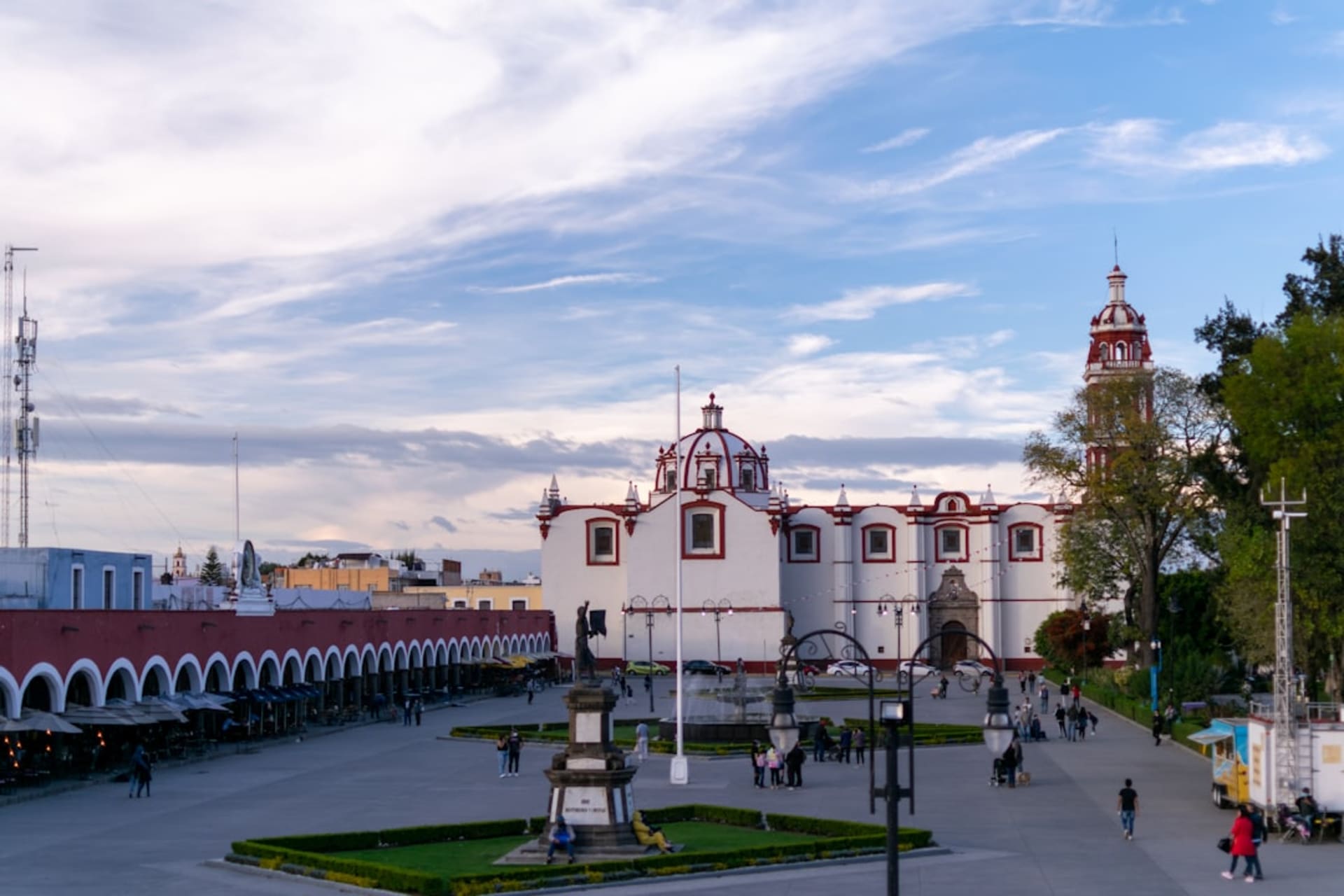
"The town sits at 987 meters in cloud forest. By two in the afternoon, every afternoon, the clouds come in and you can't see the church from across the plaza."
Cuetzalan del Progreso sits at 987 meters in the Sierra Norte de Puebla, in the transition zone where the central Mexican plateau gives way to the Gulf coast lowlands through a series of increasingly dramatic drops into the jungle. The town gets its name from the quetzal bird — Nahuatl: cuetzalli — and the cloud forest that surrounds it still has enough altitude and humidity to support the specific ecosystem these birds require, though the quetzals themselves are rarely seen by visitors.
What visitors come for: the Sunday tianguis market, which draws Nahua and Totonac artisans and farmers from the surrounding sierra communities; the waterfalls in the jungle below the town; and the quality of the mist that descends by mid-afternoon every day and transforms the colonial center into something from a different century.
I arrived on a Saturday evening, planning to leave Monday. I left Wednesday.
The Sunday Market
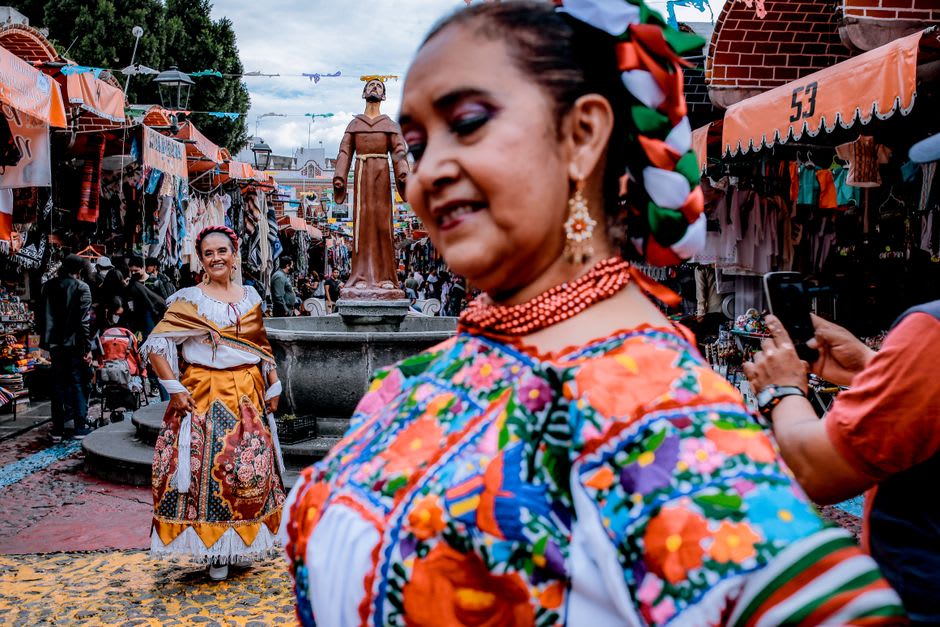
The tianguis of Cuetzalan is one of the most genuine indigenous markets in central Mexico — not a crafts market organized for visitors but a weekly commercial and social event for the Nahua communities of the Sierra Norte, who descend from the surrounding villages and ejidos to trade agricultural products, textiles, live animals, and food.
The market fills the Plaza Zaragoza and cascades down the surrounding streets from early Sunday morning through early afternoon. The stalls are organized by category: the flower sellers near the church, the weaving vendors under the portales, the food section in the covered market building where the Nahua women in their traditional quexquémitl (white wool capes) serve tlayoyos (corn masa stuffed with black beans), tamales negros, and the local smoked trout from the sierra streams.
The totonac vanilla sellers who come down from the higher forests bring fresh vanilla pods at prices that reflect the labor of cultivation. The weavers from Xochitlán and San Miguel Tzinacapan sell textiles — the huipiles (blouses) with flower embroidery in the style specific to the Sierra Norte — that require weeks of work per piece. These are not cheap, and shouldn’t be.
The Waterfalls and Caves
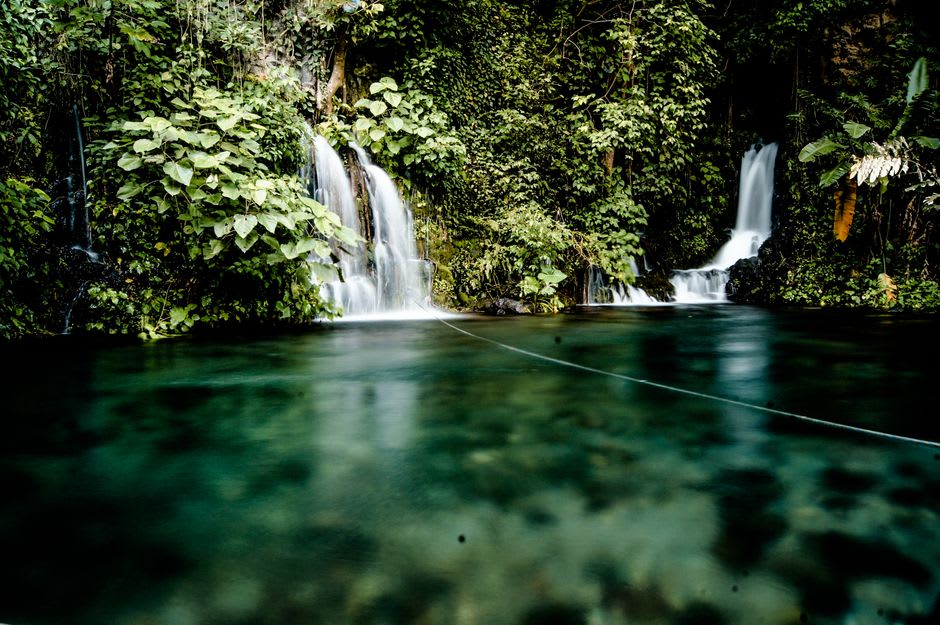
Below the town, the terrain drops sharply into jungle ravines that contain a series of waterfalls and cave systems accessible by foot or guided tour. The most significant:
Las Brisas waterfall — a 20-meter drop into a pool in the jungle, forty-five minutes’ walk from the town center by trail. The path descends through coffee plantations (Cuetzalan is in the Sierra Norte coffee zone; the shade-grown arabica here is excellent) and then into denser forest. Swimmable in dry season.
Quetzalapan — two connected waterfalls with a swimming hole between them, less visited than Las Brisas and requiring a guide for the descent. The second waterfall drops into a cave system; the guide will take you partway in with headlamps.
Yohualichan — an archaeological site 8 kilometers from town containing buildings in the El Tajín style (the Totonac architecture of the Gulf coast), with a smaller but less-excavated pyramid in a jungle setting. Fewer visitors than El Tajín and a different quality of solitude.
The Town Itself
Cuetzalan’s colonial center is compact: the Parish of San Francisco (1835, with a distinctive Gothic-revival tower that the mist wraps around by early afternoon), the main plaza, the portales with their coffee shops, and the Posada Yoloxóchitl — a community tourism cooperative that runs accommodation, guides, and a textile workshop where you can watch the Nahua backstrap loom weavers at work.
The coffee here is worth seeking: the Café Cajumá cooperative, run by indigenous farmers, produces single-origin beans from the shade-grown farms in the sierra above town. The café in the market sells it by the cup and by the bag.
Getting there: ADO bus from Mexico City TAPO (5-6h) or from Puebla (3-4h). The bus arrives at the bottom of a steep hill; the town center is a short taxi or mototaxi ride up. The road up to Cuetzalan is paved but serpentine; car rental from Puebla is an option for flexibility.
When to go: October through May for the clearest weather (though mist is year-round). Avoid rainy season (June-September) when the trails to the waterfalls can be impassable. Festival de Todos Santos (late October-early November) brings traditional Totonac dance ceremonies including the voladores.