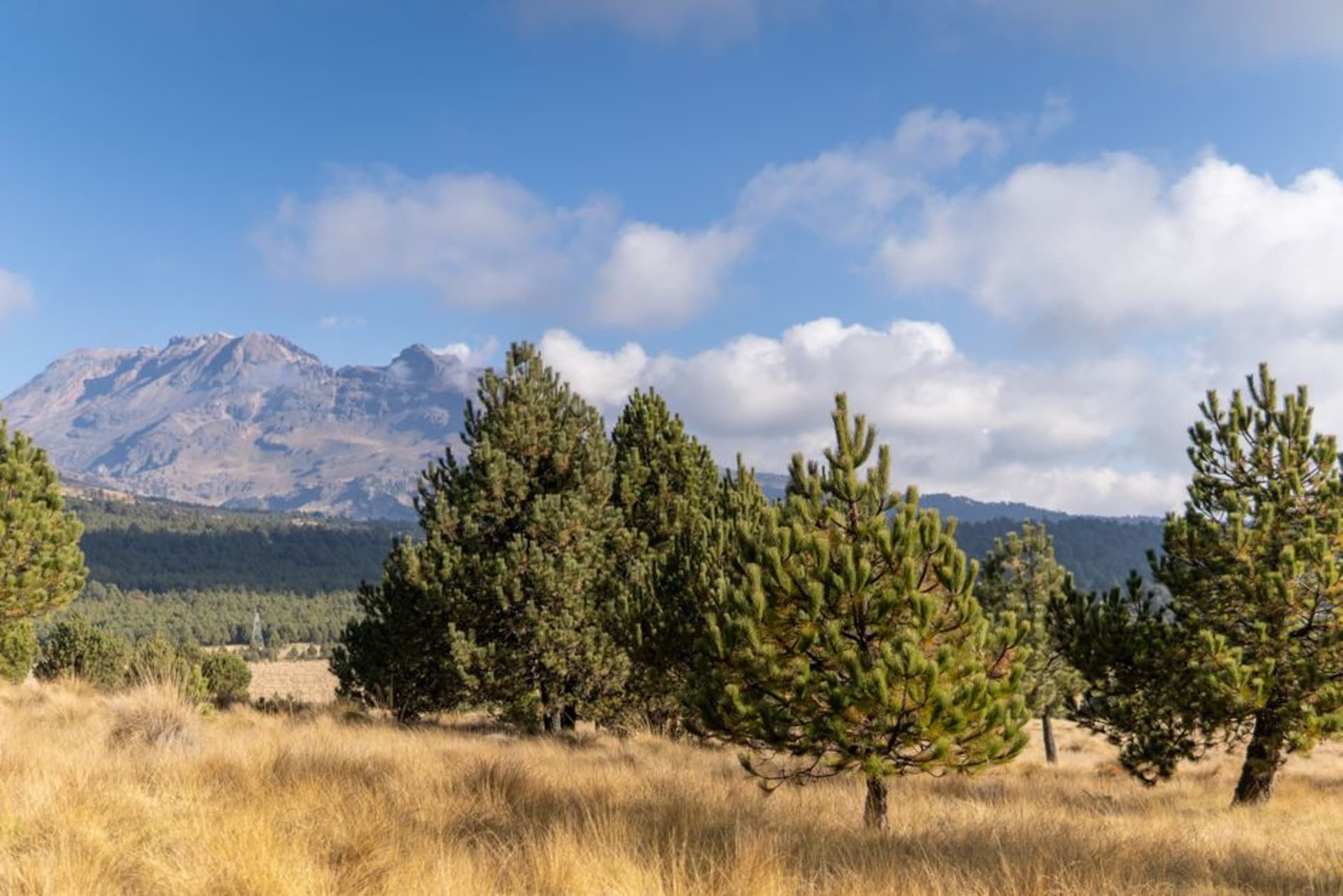
Aquixtla
"You smell Aquixtla before you see it — pine resin, woodsmoke, and cold wet earth. Then the mist parts and there it is."
The first thing I did in Aquixtla was put on a second sweater. I’d driven up from the warm valleys near Chignahuapan expecting a mild afternoon and instead climbed straight into cloud, the temperature dropping a degree with every switchback until my little car was groaning through pine forest in genuine cold. When I stepped out in the town, the air hit me the way mountain air does — thin, sharp, resinous — and a woman selling apples from a crate looked at my thin jacket and laughed, not unkindly, the laugh of someone who has watched flatlanders arrive underdressed her whole life.
Aquixtla doesn’t appear on many itineraries, and I understand why: it offers no ruins, no famous market, no colonial showpiece. What it offers is harder to advertise. It offers weather, forest, apples, and the particular peace of a highland town that has never been asked to perform.
The Pine Forest
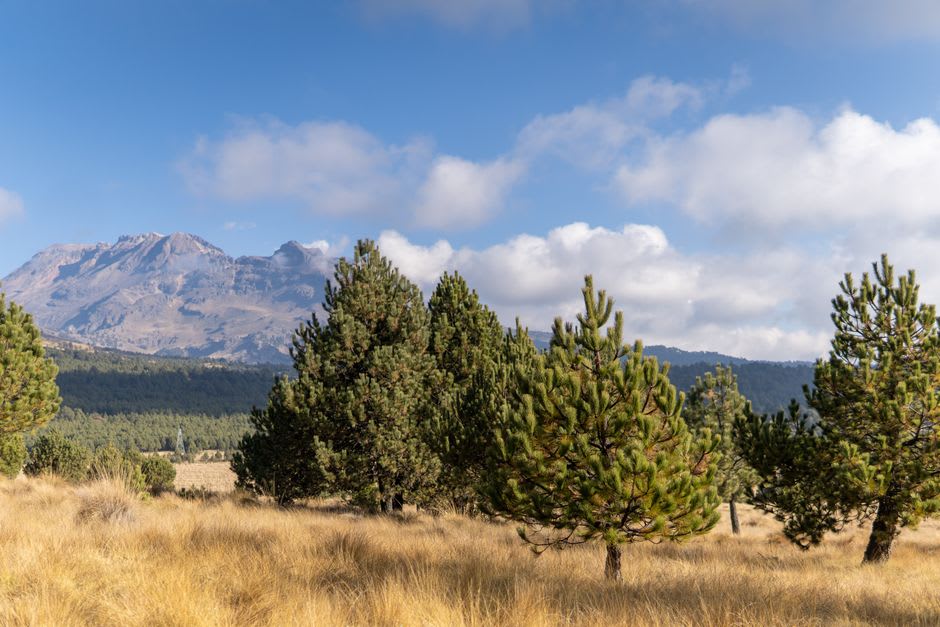
Aquixtla sits high in the Sierra Norte de Puebla, that long green wrinkle of mountains where the plateau breaks toward the Gulf, and the town is ringed by dense pine and oak forest that stays cold and damp for much of the year. The mist is not occasional; it is a resident. By early afternoon most days it comes down through the trees and softens everything, muffling sound, beading on wool and on the needles overhead.
I walked a forest track out of town that morning and within ten minutes could no longer hear the road. Just the drip of condensation, the creak of pines, and somewhere a woodpecker working at a trunk. If you have spent too long in Mexican heat — and after a few years here, you do — this cold green world is a kind of medicine.
Apples and Mushrooms
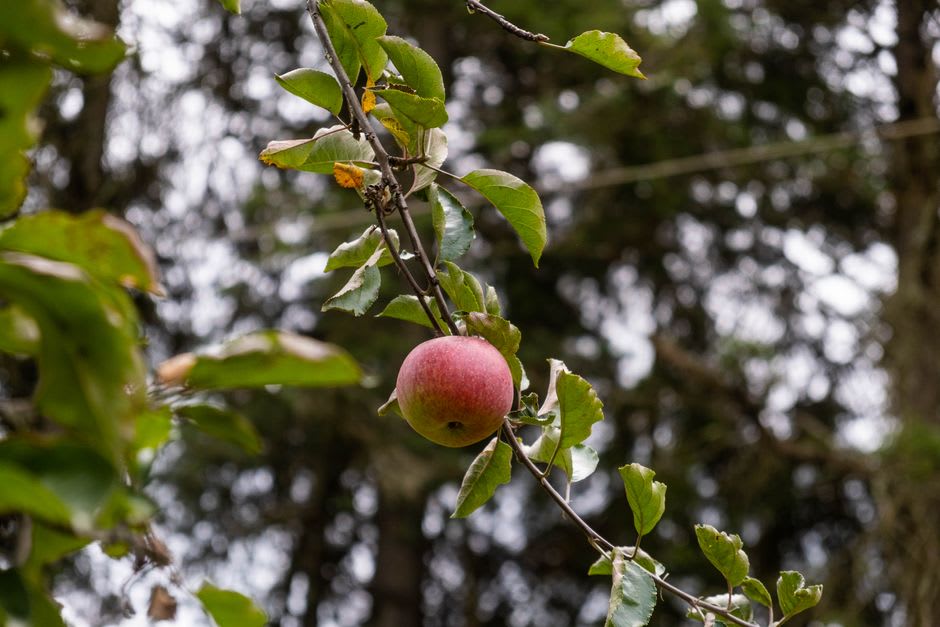
This is apple country. The slopes around Aquixtla are stitched with orchards, and depending on the season you’ll see the trees in blossom or heavy with fruit, and roadside crates of apples sold cheap by the people who grew them. I bought a kilo of small, tart, slightly ugly apples that tasted the way apples are supposed to and rarely do — nothing like the waxed uniform globes of a supermarket.
In the wet months the forest gives up wild mushrooms, and local families head into the pines to gather them, returning with baskets of species I couldn’t name but was happy to eat. If you find them offered in a comedor, cooked simply with garlic and epazote, order them. It is the taste of the forest, straight through.
The Town and Its Rhythm
Aquixtla the town is modest and steep, streets tilting up and down the mountainside around a plain church and a small plaza where old men sit through the cold with their hands in their jackets. Life here runs on the forest and the orchards, on logging and farming, and the pace is set by weather more than by clocks. I ate a bowl of caldo in a tiny comedor while rain ticked on a tin roof, and the owner — the only other person there — told me about the mushroom season and the frosts and which slopes gave the sweetest apples, all in the unhurried voice of someone with nowhere else to be.
There is no nightlife, no scene, no reason to come except the mountains themselves. For me, more and more, that has become reason enough.
Getting There
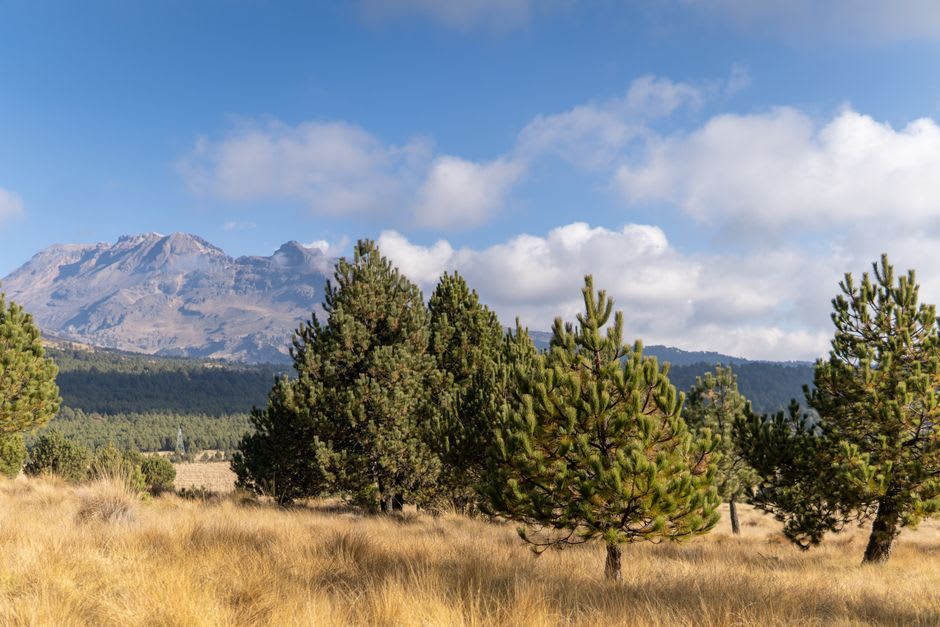
Aquixtla lies in the Sierra Norte de Puebla, a short drive north of Chignahuapan and roughly two and a half to three hours by road from the city of Puebla, or around four from Mexico City. The most flexible option is to drive — the mountain roads are paved but winding, and a car lets you stop at orchards and forest pullouts along the way. Buses and colectivos run to Chignahuapan, a larger town nearby with more services, and from there local transport reaches Aquixtla. Come prepared for cold and wet at any time of year: warm layers and decent shoes will change your whole experience of the place.