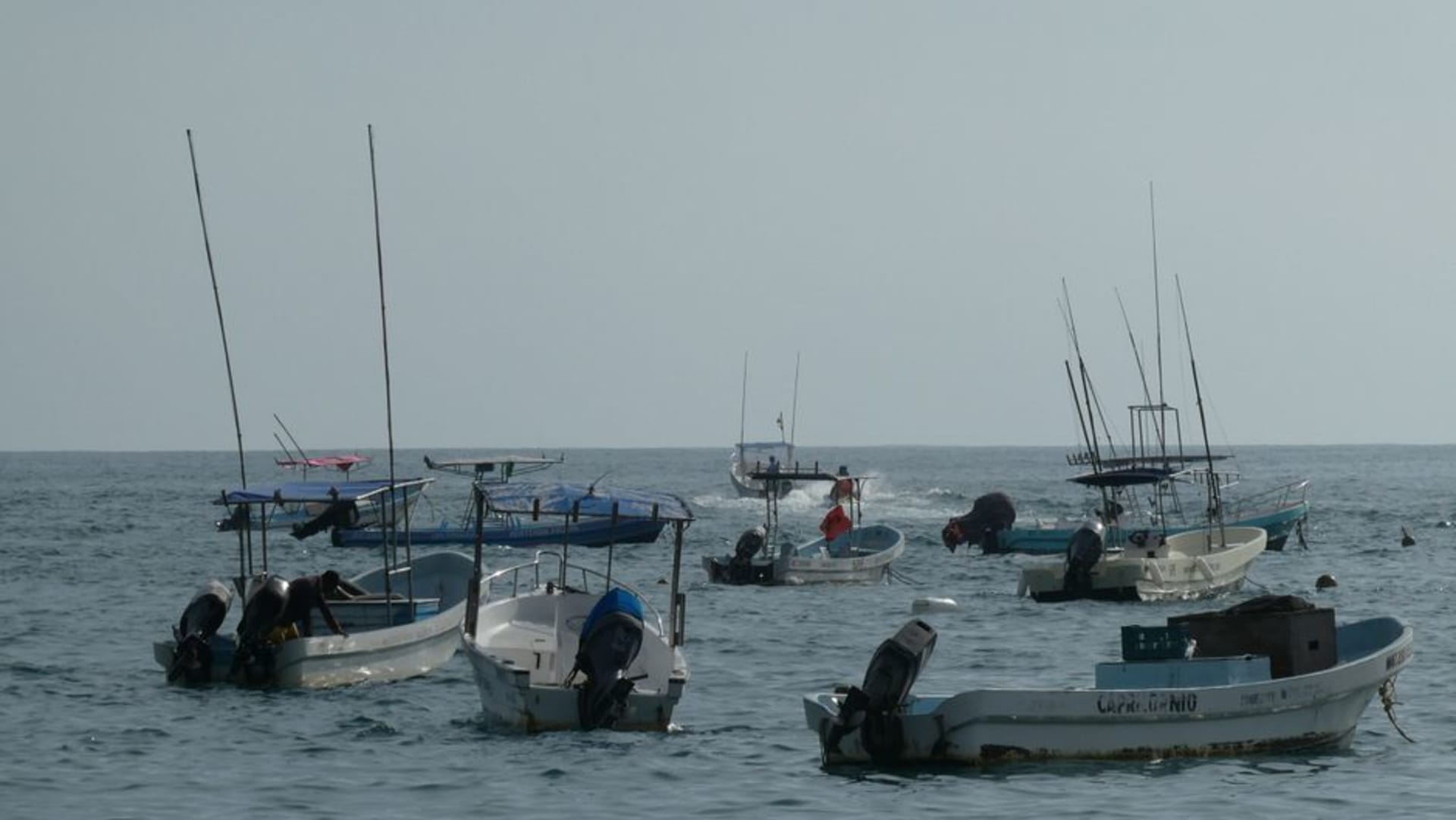
Puerto Ángel is a horseshoe bay village on the Oaxacan coast that stopped updating itself somewhere around 1994, and this is genuinely its best quality. Two small beaches, a handful of palapa restaurants, morning pelicans on the dock — and none of the infrastructure that turns places like this into something else.

I first drove down to Puerto Ángel on a Tuesday in February, six months after moving to Puerto Escondido, needing somewhere to sit without obligations. The road from Pochutla descends in switchbacks and deposits you into a village that is neither welcoming nor unwelcoming — simply occupied with its own business. A navy frigate sits at anchor in the bay. Pelicans work the dock methodically. Somewhere near the water, a woman has a cart with fish tacos that I have now eaten eight times across eight different visits without learning her name or needing to.
A Bay That Stopped Answering Its Emails
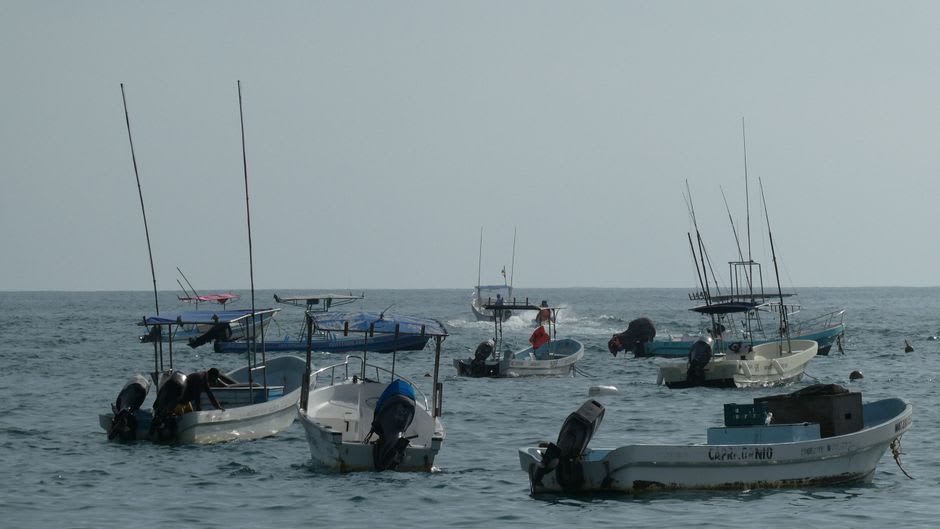
Playa Principal is the main beach — narrow, backed by the road, lined with palapa restaurants that all have the same plastic chairs and the same overhead fans doing what they can against the heat. The navy base occupies the eastern end with a low concrete wall and a flag. None of this sounds particularly appealing in description, which is exactly the point: Puerto Ángel’s charm is not photogenic in the usual Oaxacan coast way. There are no dramatic rock formations, no lighthouse on a promontory. What there is is a horseshoe bay that catches the morning light at a particular angle and holds it, and fishing boats that go out before dawn and return when they feel like it, and a general atmosphere of a place that has considered modernizing and decided against it. The backpackers found Puerto Ángel in the late 1980s, before Puerto Escondido’s airport was reliable, before Mazunte had boutique hotels. Some of them appear to still be here — you can see it in the occasional longhaired retiree on a bicycle, in the reggae drifting from somewhere you cannot quite locate.
Playa Panteón and the Fish Taco Question
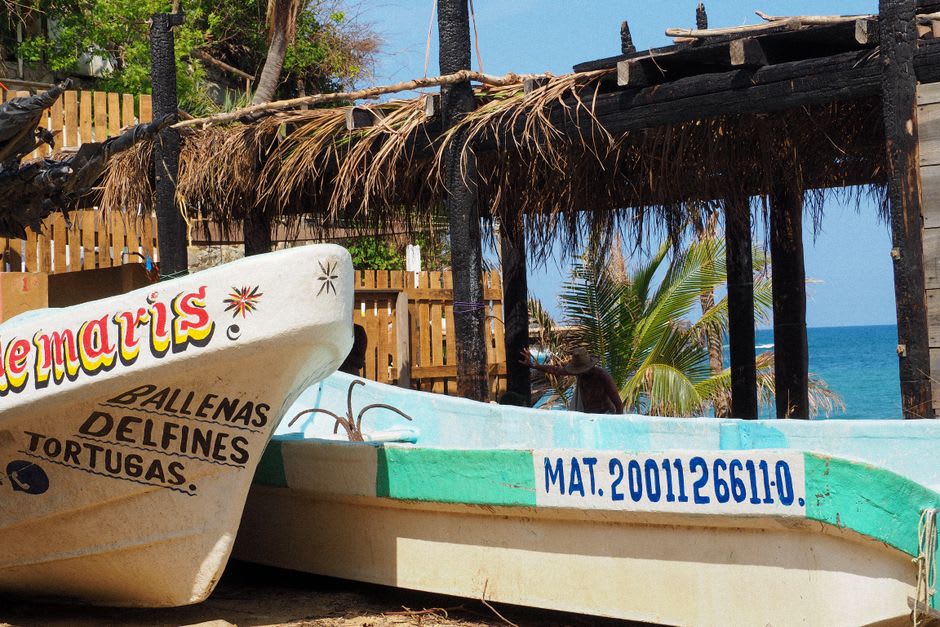
Five minutes on foot from Playa Principal, past the cemetery that gives it its name, Playa Panteón is the better beach: smaller, calmer, with a shallow reef that keeps the waves manageable. The palapa restaurants here are the ones worth sitting in. I usually take whichever table has the best angle on the water, order a michelada while I wait, and let lunch take as long as it wants to take. The fish — yellowfin, red snapper, whatever came in that morning — is reliably good in the way that food cooked thirty meters from the water tends to be. At one of the Panteón palapas, the ceviche arrives with a chopped salad of jícama and mango on the side that I have never seen listed on any menu but that has appeared with my order on three separate occasions. I have stopped trying to understand it and simply eat it.
How I Use the Day
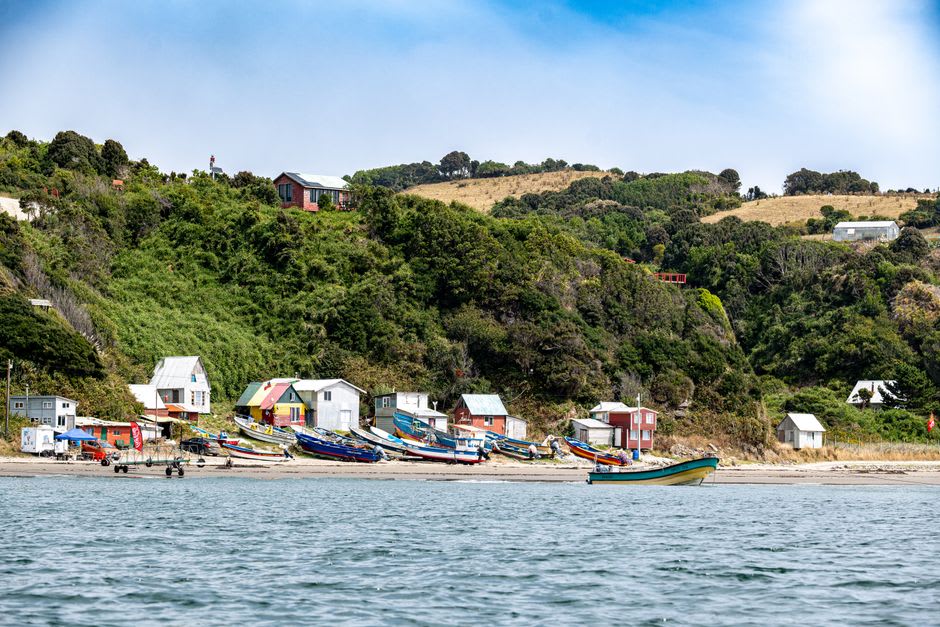
Puerto Ángel does not reward a rushed visit. What it rewards is arriving early — before ten, when the bay is still cool — spending two or three hours doing very little, eating lunch at Panteón, and leaving before the afternoon heat turns the main road unpleasant. I bring a book I probably won’t read. I always order more food than I plan to eat. I leave feeling like I have recovered something I didn’t know I was missing, which is a strange thing to say about a place this small, but Puerto Ángel has a way of making the day feel longer than it is.
Getting There
From Puerto Escondido, take Hwy 200 east toward Pochutla — about one hour — then MEX-175 south down to the coast, another 25 minutes. Colectivos depart from Pochutla’s central market throughout the morning for around 25–30 pesos. The last reliable colectivo back to Pochutla leaves around 5 p.m., though schedules are approximate; confirm locally before you settle in for a second round of tacos.
Keep exploring
More of Oaxaca
Keep exploring
More from Oaxaca
 mexico
Zipolite
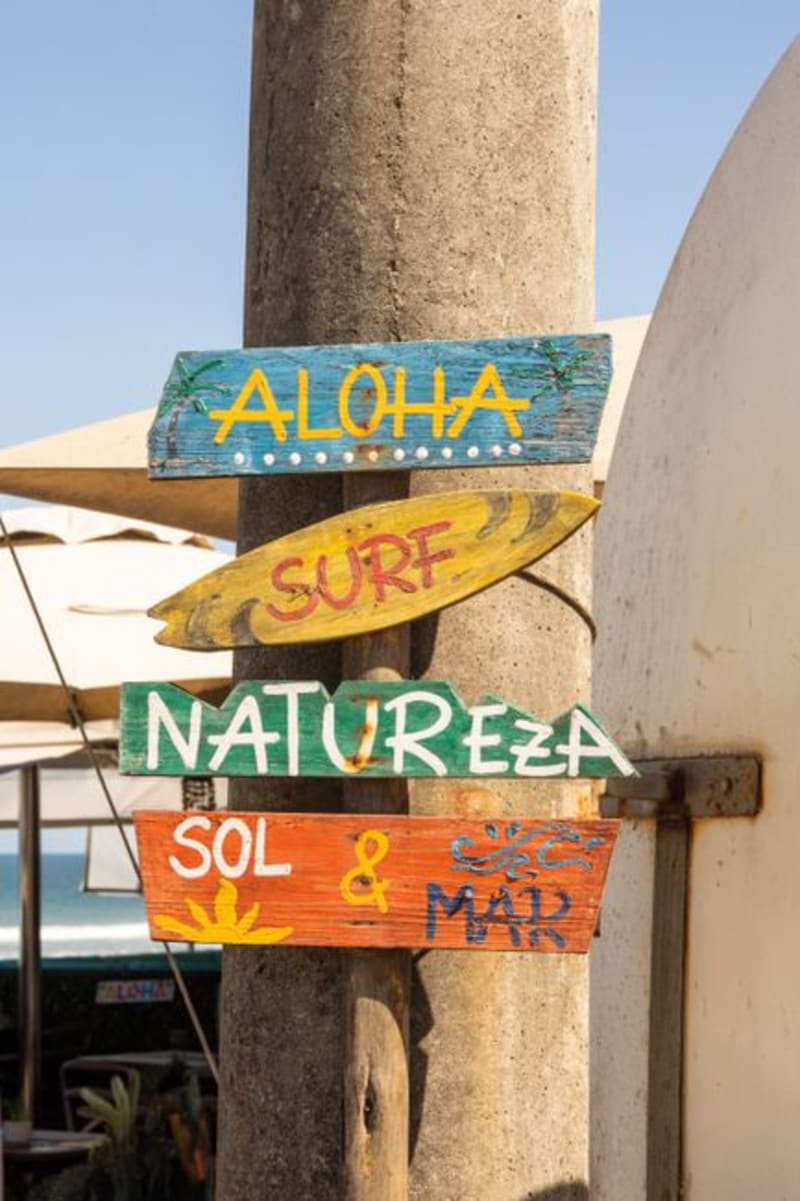
Zipolite has been a countercultural refuge on the Oaxacan coast since the early 1970s — the only legal nudist beach in Mexico, and a place where time reorganizes itself around hammock bars and a fierce Pacific riptide. It is not really about the nudism. It is about the particular freedom the place radiates, and how that freedom turns a two-hour visit into three weeks.
Explore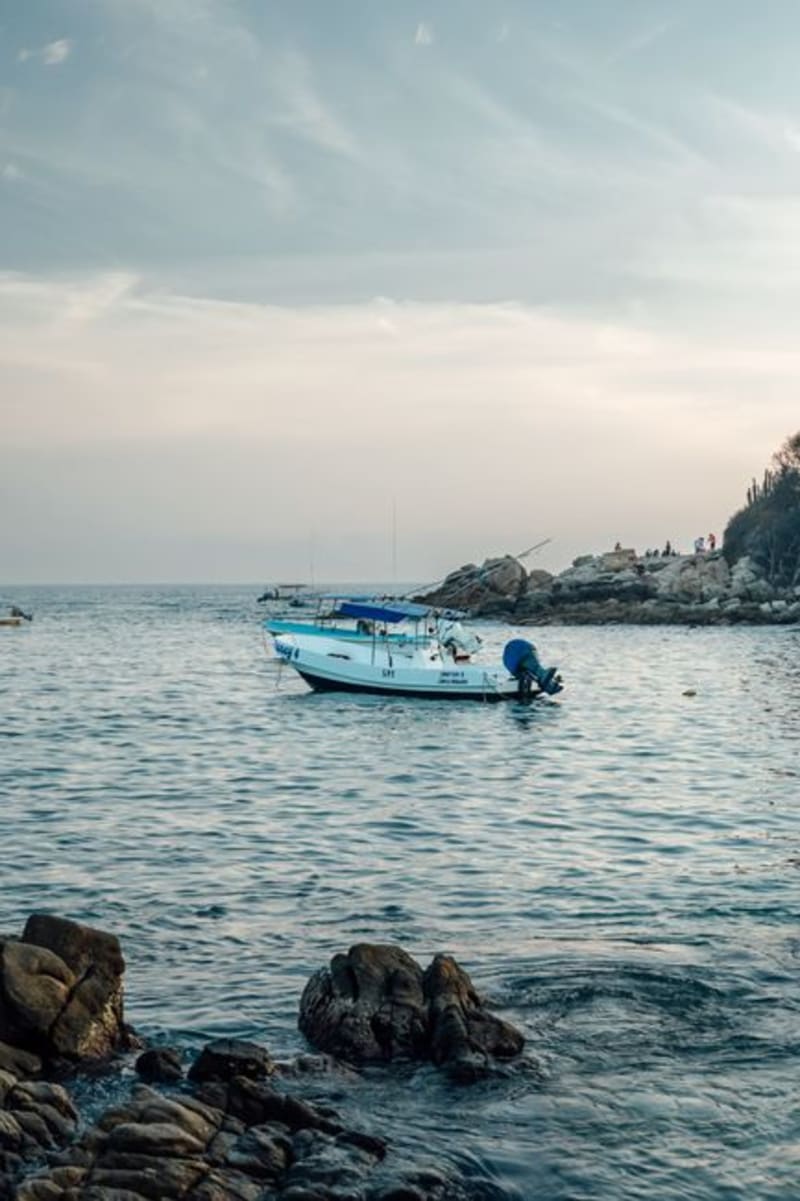 mexico
San Agustinillo
Wedged between Mazunte and Puerto Ángel, San Agustinillo is a single-street fishing village facing a crescent bay where the Pacific actually lets you swim — a rarer thing on this coast than it sounds. There is no main square, no bus terminal, and the fish at the palapa on the beach came off a boat that morning.
Explore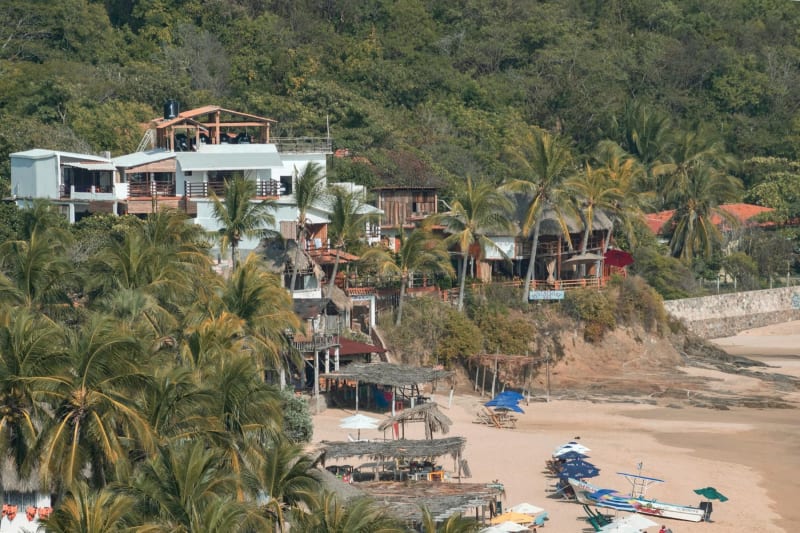 mexico
Mazunte
A former turtle-slaughtering village on the Oaxacan Pacific coast that reinvented itself as a producer of natural cosmetics.
Explore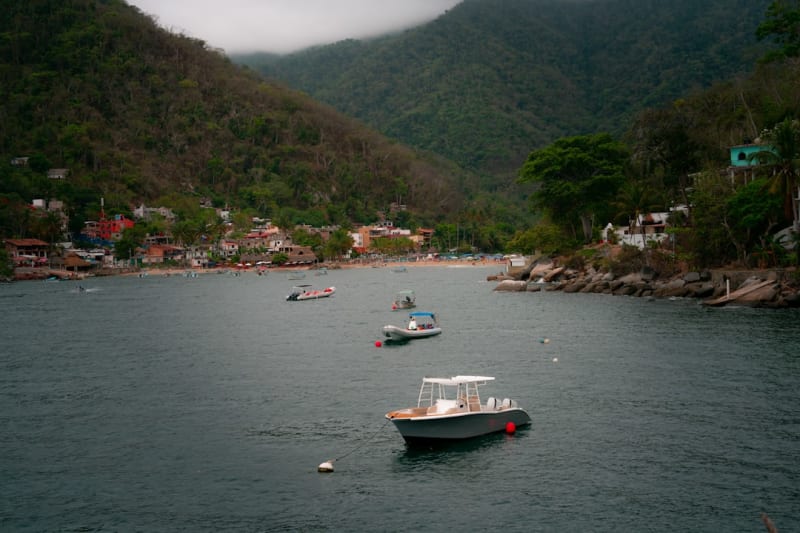 mexico
Chacahua
A remote Oaxacan lagoon system accessible only by boat, where the mangrove channels lead to a Pacific beach with no road, the crocodiles sun on the banks in the afternoon, and the fishing community that lives here has been here since before Mexico existed.
Explore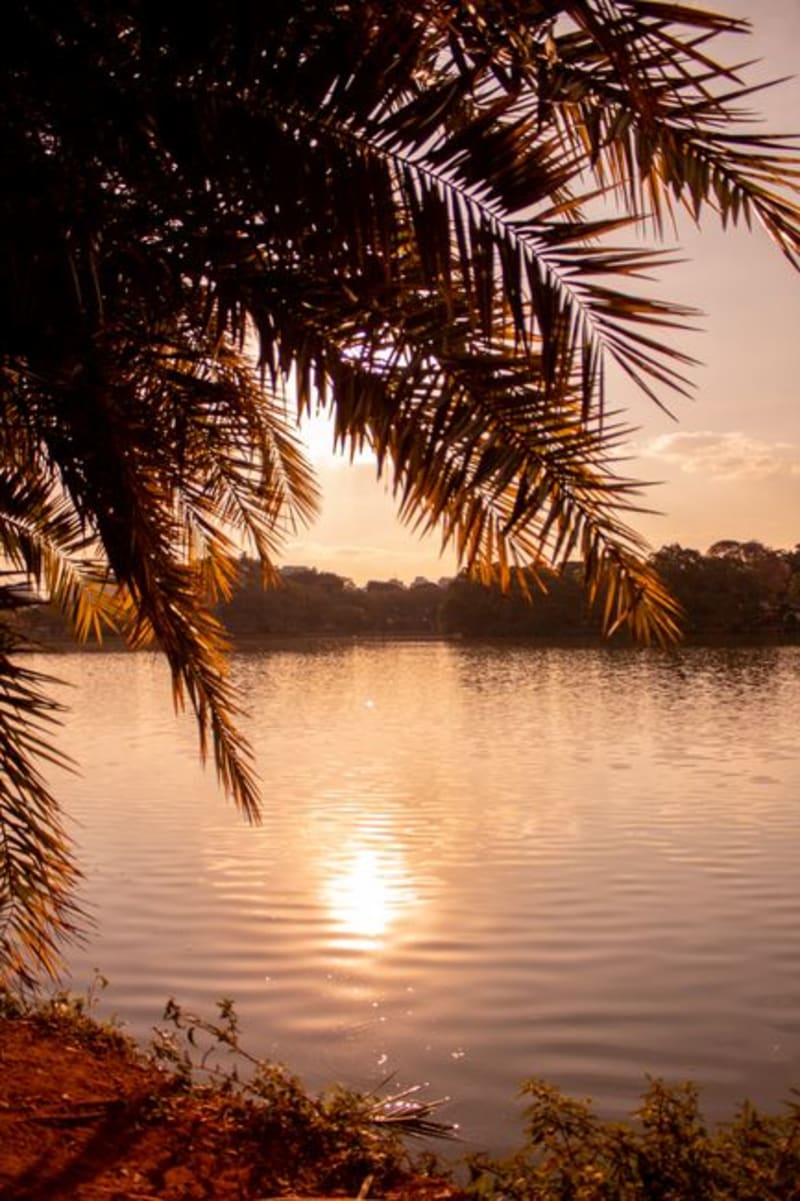 mexico
Tonameca
A quiet river valley town on the Oaxacan coast where the Tonameca river spills into a palm-fringed lagoon before reaching the Pacific. Turtle nesting beaches, a slow agricultural pace, and almost no one in a rush.
Explore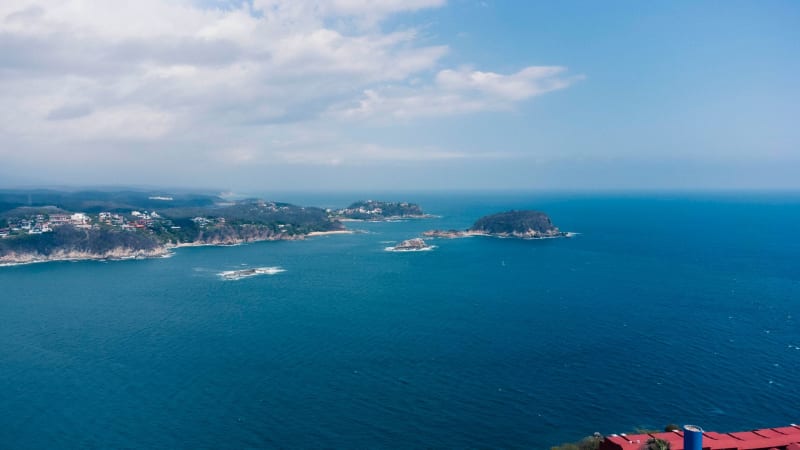 mexico
Huatulco
Nine bays of Pacific coastline in Oaxacan jungle — federally protected, ecologically intact, and free of the mass tourism that has consumed the rest of the Mexican coast.
Explore