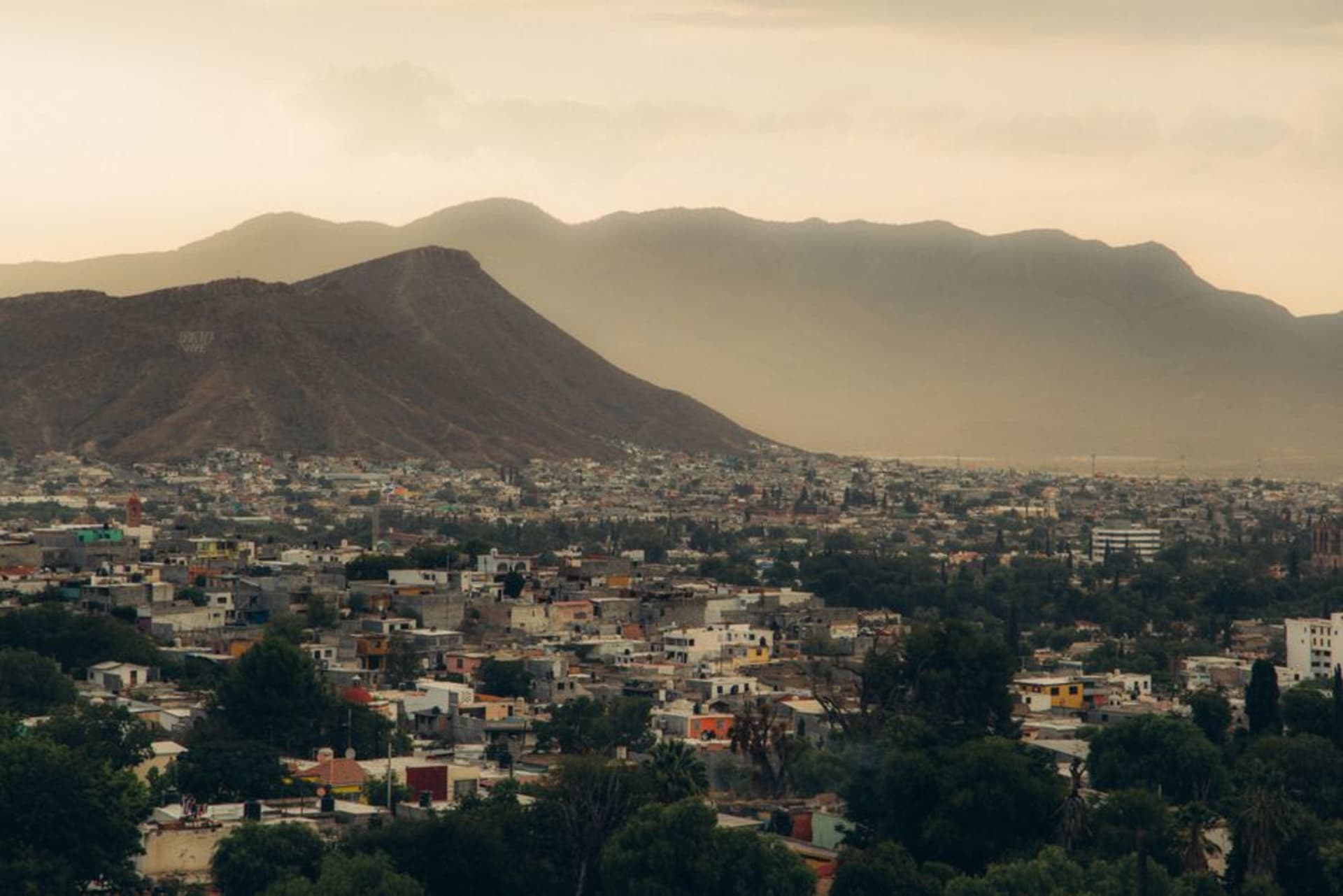
Villaldama
"I expected another half-abandoned ruin and found a town where the church bells still set the rhythm of the day and nobody was performing anything for anyone."
The bus from Monterrey leaves you at a road junction and doesn’t linger. I walked into Villaldama on a Tuesday morning in March, the light still low and the air cooler than I’d expected this far into the foothills. There was a woman near the plaza selling tamales from a clay pot balanced on a folding table, and the parish church — which I’d seen in a photograph and assumed was the main attraction — turned out to be less a destination than a constant presence, framing whatever you happened to be doing when you looked up. Three hundred years old and still the organizing principle of the whole town.
The Church That Predates the Country
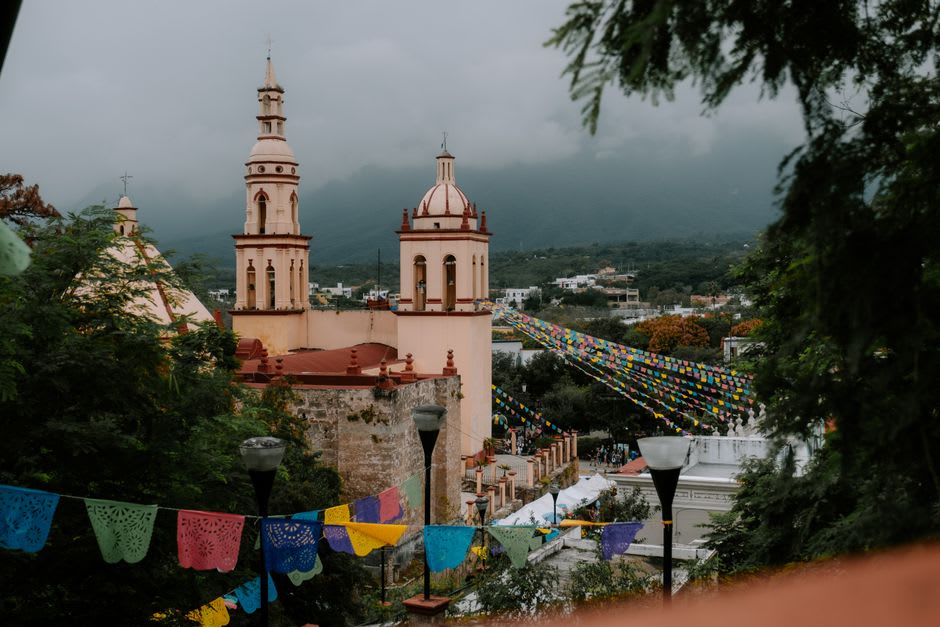
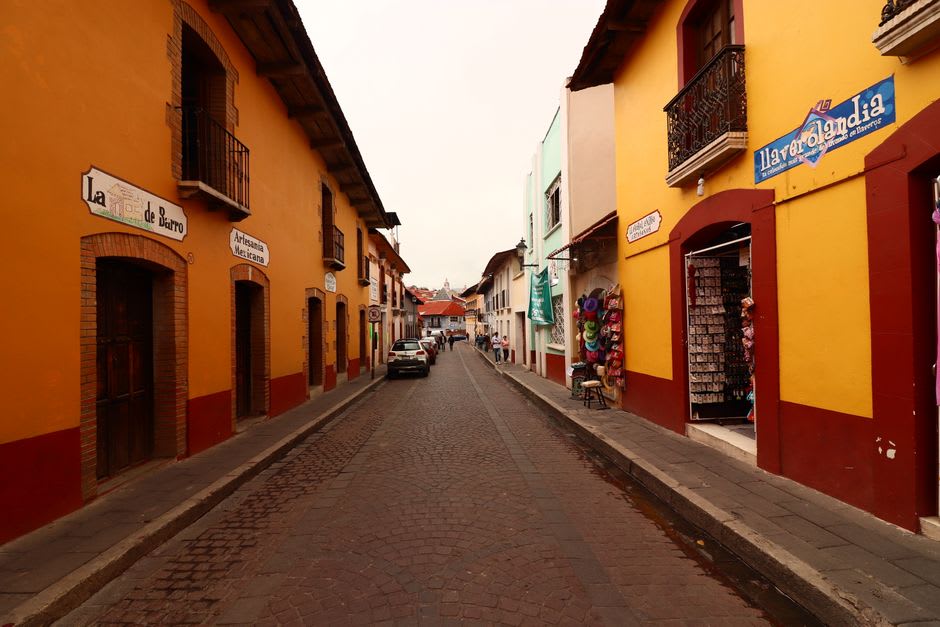
The Parroquia de San Miguel Arcángel was built in the mid-1700s, which means it predates Mexican independence by the better part of a century. Standing in front of it, that fact stops feeling like trivia. The baroque facade is restrained by Oaxacan standards — no gold-leaf overreach, no churrigueresque excess — but it’s cut from cantera that has absorbed three centuries of Nuevo León sun, and the effect is something burnished and deliberate. Mass was at seven in the morning. I know because I was sitting on a bench in the plaza and the bells started without warning and didn’t stop until the last of the congregation had shuffled through the doors, maybe fifteen minutes later. After that: silence again. The plaza has the proportions of somewhere designed for a larger population that never quite materialized. The cobblestone streets radiating out from it are steep in one direction and slightly less steep in the other, and the houses along them — whitewashed, iron-grilled, low — give the impression of a town that made its peace with its own scale a very long time ago.
Machacado Before Nine
Nuevo León’s food doesn’t attract the same coverage as Oaxacan or Yucatecan cuisine, which is either a shame or simply a function of it being exactly what it is: meat-heavy, direct, cooked over fire or dried in sun and wind. In Villaldama, breakfast means machacado — dried shredded beef rehydrated and scrambled with egg, chili, and tomato — served at the small fondas off the plaza that open around seven and close when the food runs out, usually before noon. I had it with flour tortillas and a café de olla so sweet it could have passed for dessert, and I ate slowly because there was no reason not to. The Wednesday market along Calle Hidalgo brings in produce from surrounding ranchos: dried chiles, quelites, queso fresco wrapped in corn husks from a woman who drives in from a rancho I couldn’t quite catch the name of. It’s a small market. You can walk it in ten minutes and still feel like you’ve seen what you came for.
No Museums, No Itinerary
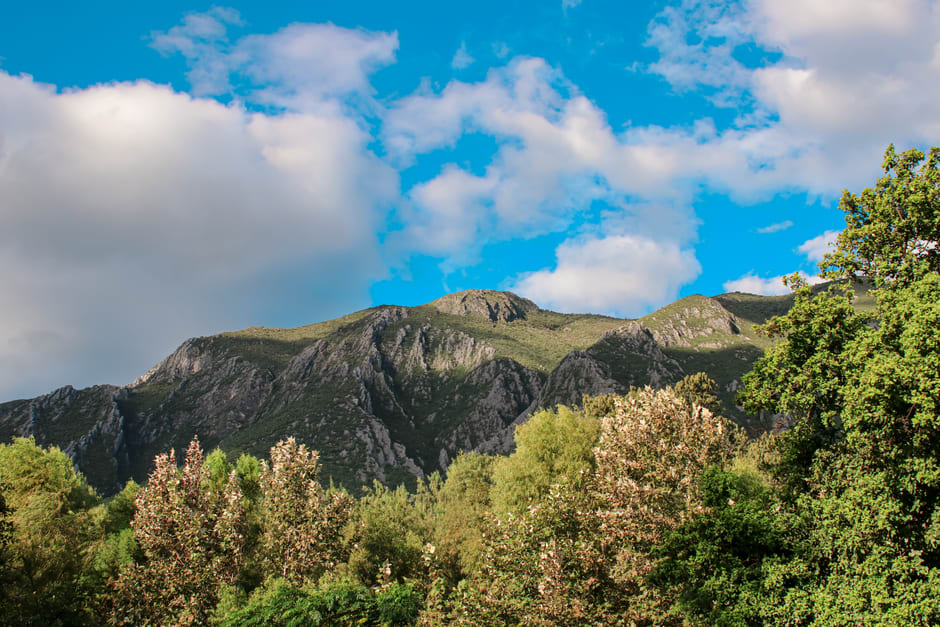
There are no museums. There’s a cultural center that was closed both times I walked past it. What Villaldama has instead are streets worth walking without a destination in mind, the kind of eighteenth-century domestic architecture that survived because no one had enough money to tear it down and replace it with something worse, and a viewpoint on the road out toward Bustamante that looks back at the church tower over the rooflines with the Sierra Madre filling the middle distance. The sotol available at the abarrotes near the plaza — in a plastic bottle, unlabeled, from somewhere in the surrounding hills — tastes like the landscape: dry, faintly smoky, not trying to be anything it isn’t.
Getting There
Villaldama is roughly 120 kilometers north of Monterrey on Highway 1 — around two hours by bus from the Central de Autobuses del Norte, or ninety minutes by car. Accommodation is thin; most people come as a long day trip from Monterrey or combine it with nearby Bustamante. March through May and October through November are the most comfortable months. July and August are hot and occasionally stormy.