Nuevo León
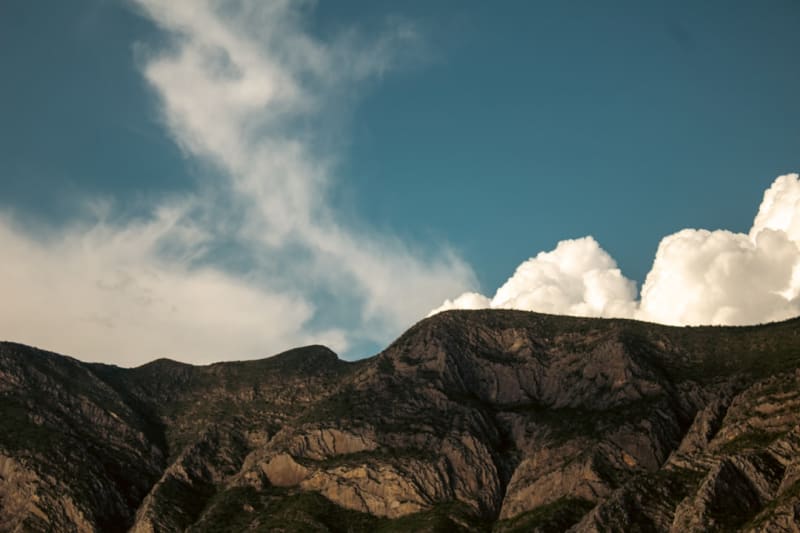
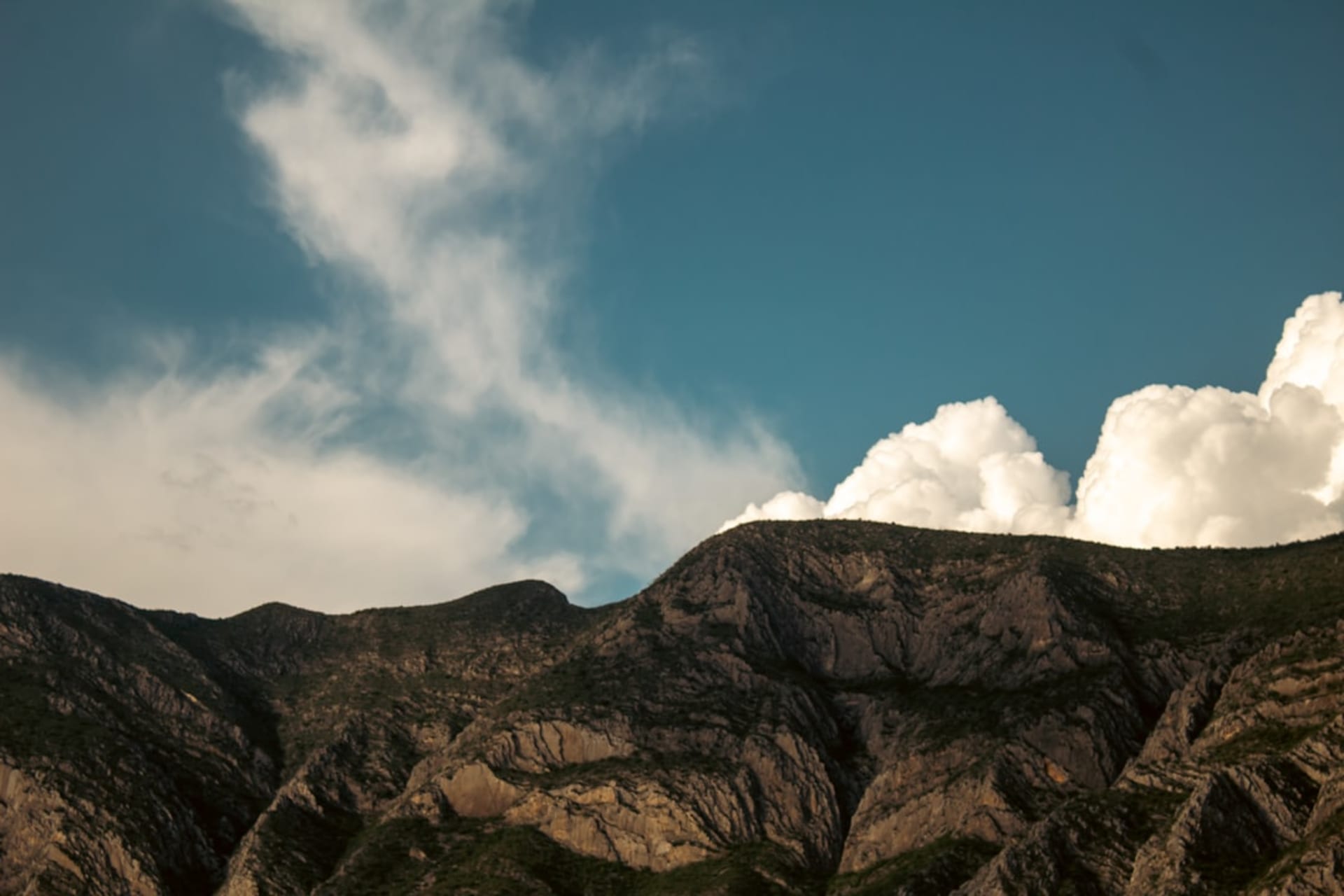
"Monterrey is the most American city in Mexico and the most Mexican city in Texas — economically integrated with San Antonio, culturally distinct from both. The mountains make the difference: the Sierra Madre is always visible from downtown."
Nuevo León is Mexico’s economic powerhouse — the state whose capital Monterrey produces a disproportionate share of the country’s industrial output, hosts the headquarters of most of Mexico’s largest corporations (CEMEX, FEMSA, ALFA, Arca Continental), and maintains a per-capita income roughly twice the national average. The regiomontano identity is distinct: business-focused, northern (norteño) in culture, bilingual in practice, and proud of it.
Monterrey (covered separately) is Mexico’s third-largest city (metropolitan area of 5.3 million) and the country’s second-largest industrial center after Mexico City. The urban experience is unusual in Mexico: a modern city of highways, American-style commercial strips, and corporate architecture, backed by the Sierra Madre Oriental mountains that define the skyline. The Cerro de la Silla (Saddle Mountain) rises 1,820 meters above the city and appears on the state flag. The Macroplaza — one of the largest urban plazas in the world — anchors the center.
The cultural infrastructure is serious for a city that presents itself primarily as a business destination: the MARCO (Museo de Arte Contemporáneo de Monterrey), designed by Ricardo Legorreta, is one of the three or four best contemporary art museums in Latin America; the Museo de Historia Mexicana and Museo del Noreste are exceptional history museums; the Parque Fundidora — the converted Fundidora steel mill — is the best adaptive reuse project in Mexico.
The mountains around Monterrey — 30-60 minutes from the city center — contain the Cola de Caballo waterfall, the Grutas de García cave system (accessible by aerial tramway), and the entrance to the Cañón del Río Blanco, part of the larger Sierra Madre canyon system that extends south into Tamaulipas.