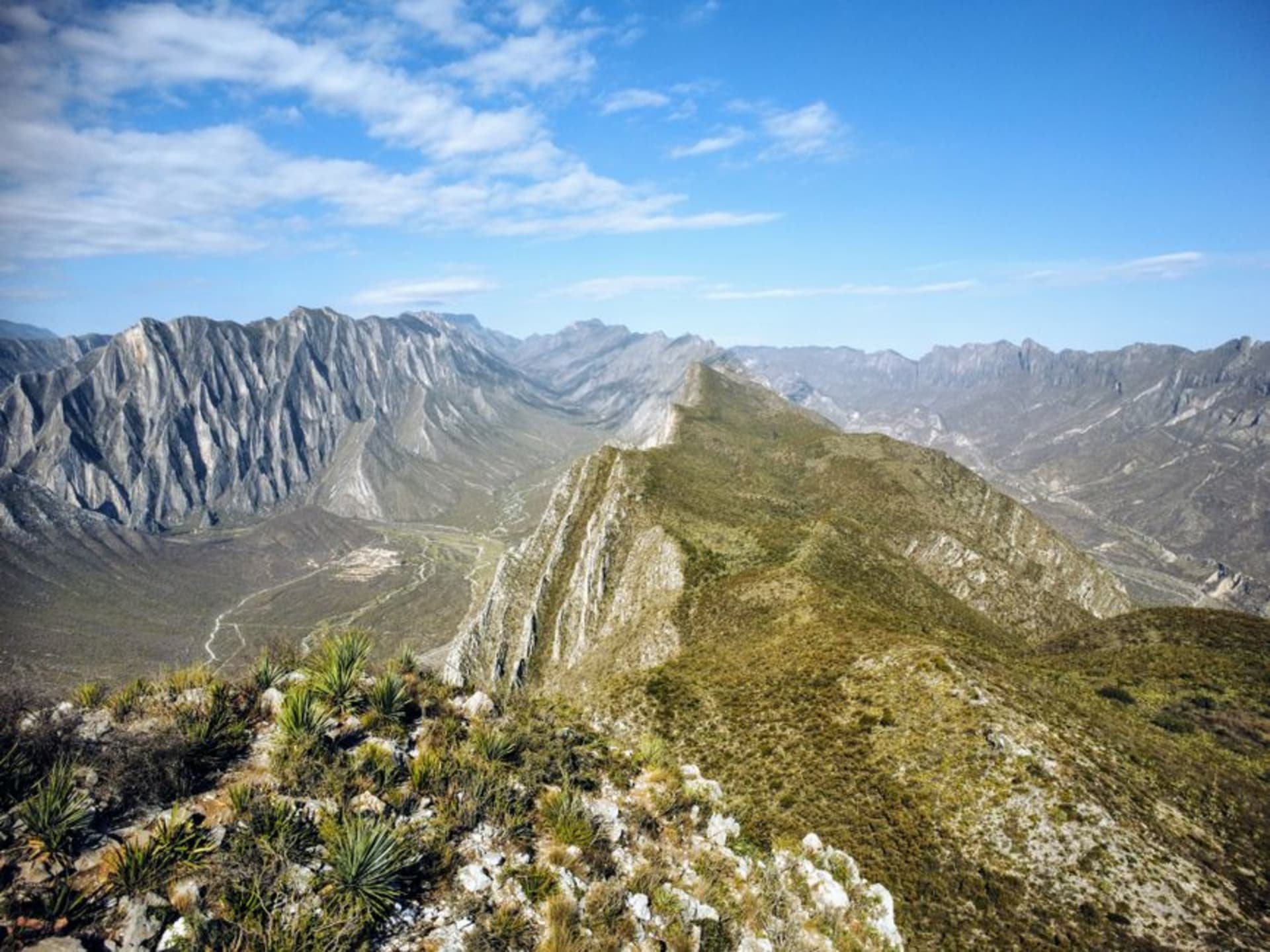
Santiago Nuevo León
"Cola de Caballo thunders into a pool the color of jade, and every regiomontano who brought me here acted as if they had invented it personally."
A colleague from Monterrey told me I had to see Cola de Caballo. Then her brother said the same thing, unprompted, two days later. By the time a third person used the exact same phrase — “tienes que ir” — I understood this was less an invitation than a civic duty. I drove down the Carretera Nacional on a Saturday morning in November, the Sierra Madre rising ahead of me in soft pleats of grey-green, and arrived in Santiago before the town had properly woken up. The air was noticeably cooler than Monterrey, which alone felt like a reason to stay.
Cola de Caballo and the Canyon Walk
The waterfall is about eight kilometers south of the Santiago town center, past a gauntlet of vendors selling elotes and aguas frescas to families who have clearly done this particular excursion many times. You pay a small entrance fee and walk a flat path along the río Jerónimo, which runs clear and cold over pale boulders, before the falls reveal themselves around a bend — a single white column dropping perhaps thirty meters into a pool that is genuinely jade-colored, not the promotional-photo kind. The surrounding cliffs hold the mist. Everyone around me was taking the same photograph, grinning, and I was doing it too. The walk back along the river is better than the walk in: the crowds thin, the light changes, and small natural pools appear along the banks where you can wade in up to your thighs and feel the cold work its way up your spine.
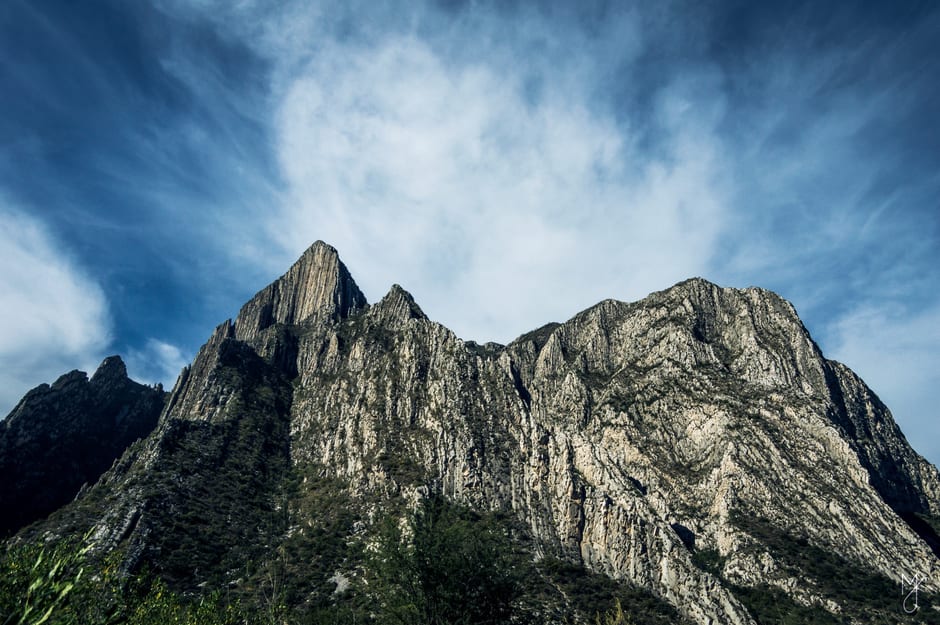
The Saturday Market on the Plaza
I had not expected the market to be the highlight of the day, but it was. The tianguis sets up along the streets around the main plaza by eight in the morning and runs until early afternoon. Birria de res was being ladled from clay pots at two separate stalls, both of which had lines stretching half a block. I ate at the one on Calle Hidalgo, standing at a folding table, soaking a tortilla in the dark broth and trying to look like I knew what I was doing. There were also gorditas stuffed with picadillo, fresh cheese from local farms sold in rounds wrapped in cloth, and stalls of dried chiles and piloncillo whose smell I will associate with this specific Saturday morning for a long time.
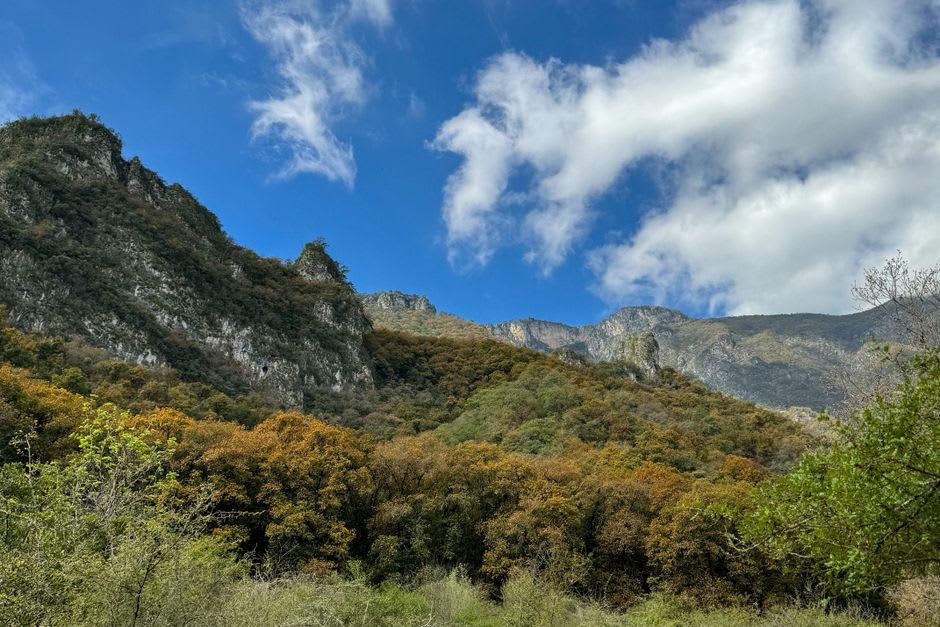
The Town Itself
Santiago is not trying to charm visitors. The plaza is functional rather than picturesque, the church is modest, and the streets slope unevenly toward the river. What it has is an unhurried rhythm that becomes apparent once the market crowd disperses around two in the afternoon. I walked the Calle Principal south until it narrowed and the houses gave way to an unpaved track along the Río Santiago, sat on a rock for twenty minutes, and watched a pair of kids fish without any apparent urgency. That was enough.
Getting There
From Monterrey’s city center, Santiago is roughly 50 kilometers south on the Carretera Nacional — plan on 60 to 75 minutes depending on traffic leaving the city. There is no reliable direct bus service; the easiest approach is driving or arranging a ride. Most people come for the day; a few guesthouses in the centro take weekend guests if you want a slower departure on Sunday.