Santiago
"The weekend Monterrey crowd arrives in a convoy of identical pickup trucks. Go on a Tuesday and the waterfall is yours."
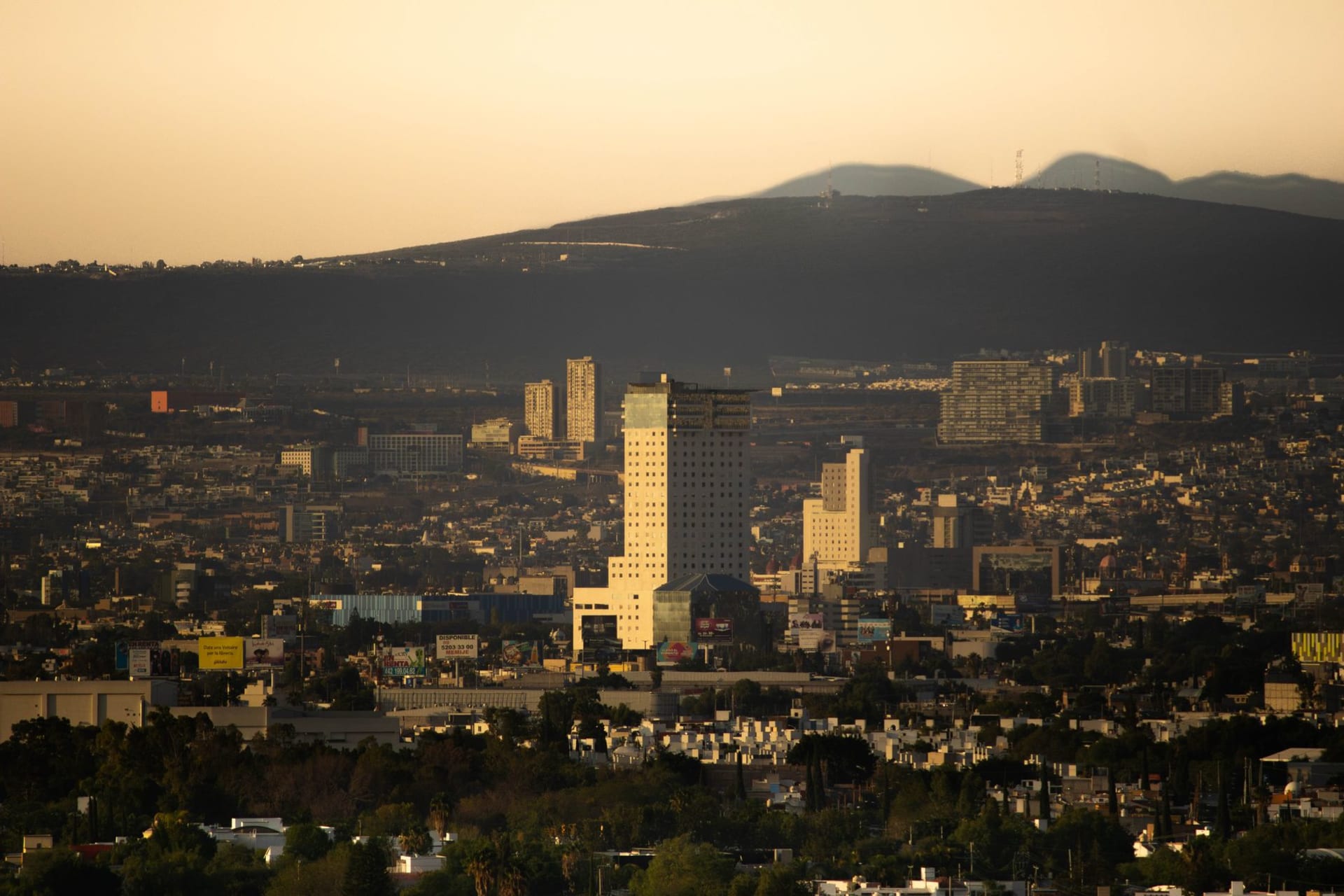
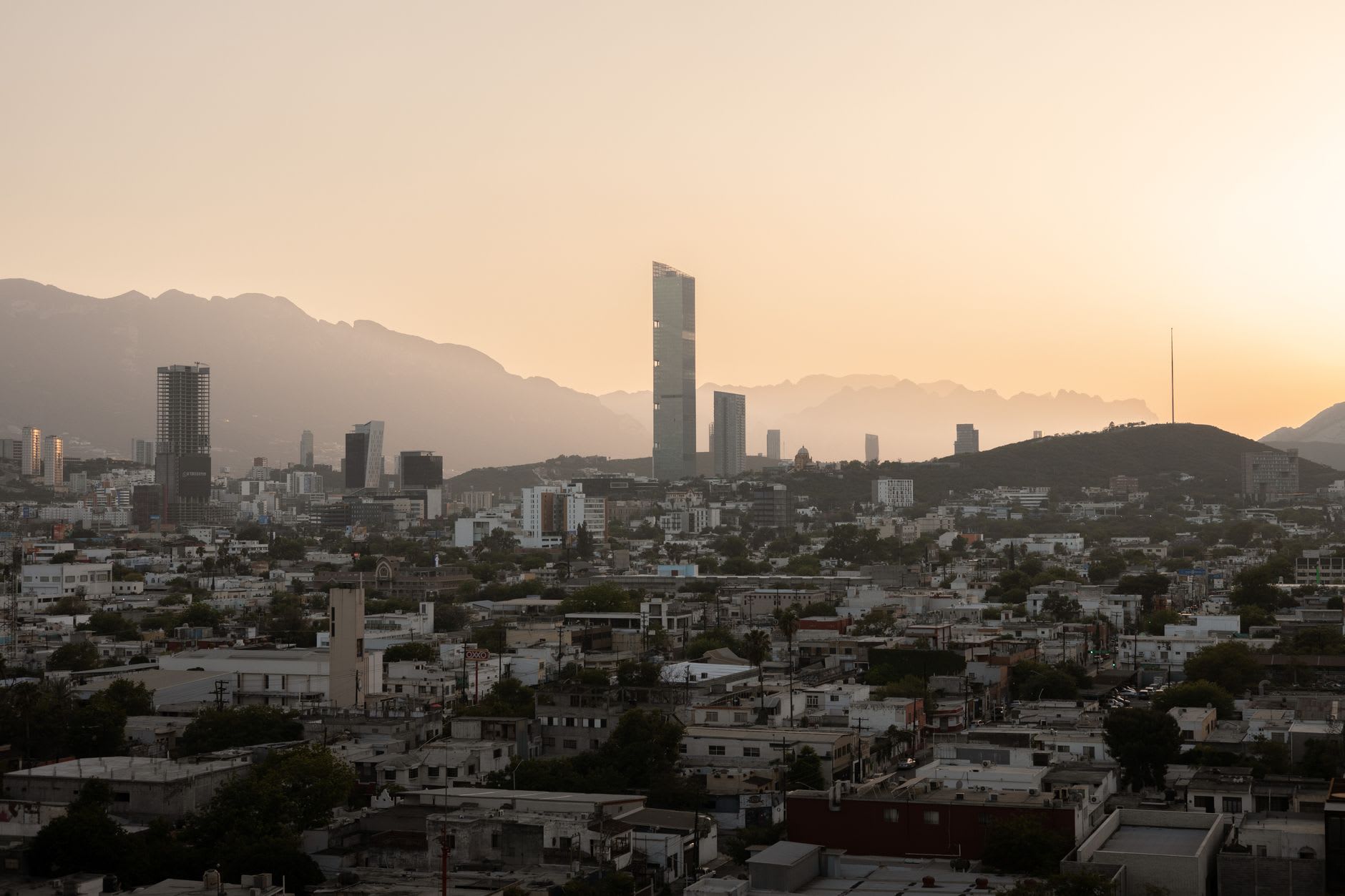
There is a particular phenomenon in Mexican cities of a certain size: the designated escape valley. Mexico City has several (Tepoztlán, Valle de Bravo, Malinalco). Guadalajara has Tapalpa. Oaxaca has the coast. Monterrey, which is the most industrially intense of Mexico’s major cities — a steel-and-concrete basin ringed by limestone peaks, serious and proud of it in a way that no other Mexican city quite manages — has Santiago.
The town sits forty-five minutes southeast of Monterrey in the Sierra Madre Oriental, in a valley where the mountains close in enough to moderate the summer heat and where a river system coming down from the Parque Nacional Cumbres de Monterrey creates the conditions for apple orchards, sugar cane, and the specific lushness that distinguishes mountain-valley towns from the desert lowlands. Santiago is small — a colonial church, a main plaza, a weekend market — but it anchors a corridor of natural attractions: the Cola de Caballo waterfall, the El Potrero Chico climbing area nearby, and the national park entrance for the cumbres trail network.
On weekends from October through May, the road from Monterrey fills with pickup trucks. The pickup truck is the cultural vehicle of the Regiomontano (as Monterrey residents are called) middle and upper class in a way that has no precise equivalent elsewhere in Mexico — large, late-model, often with bull bars and roof racks, driven by families who have a very specific idea of what a weekend in the sierra looks like and are executing it with considerable organizational precision. The convoys are orderly and frequent. I find this admirable even when they slow the road to a crawl.
The Santiago I prefer is on a Tuesday.
Cola de Caballo
The Cola de Caballo — Horsetail Falls — is a forty-meter waterfall that drops into a forested box canyon in the national park above Santiago. It is the primary attraction and deserves its reputation. The waterfall is fed by springs in the high sierra and runs year-round at a volume that varies with season — strongest from July through October after the summer rains, leaner in April and May before the rains begin. At any season, the view from the base of the fall is impressive: forty meters of white water against dark green canyon walls, the spray reaching you at fifty meters, the sound filling the canyon with a low constant roar that you feel before you hear it distinctly.
The access road from Santiago ends at a parking area from which you walk about a kilometer along a path through subtropical forest — encino (oak), cedar, wild begonia, bromeliads on the rock faces — to the base of the falls. On a Tuesday morning in November, I walked this path in near-silence except for the growing sound of water. I passed three other people going in the opposite direction on their way back.
The base of the fall is cold. The spray is continuous. A family was eating a packed lunch at a distance where the spray reached their sandwiches in a way they didn’t seem to mind. I sat on a wet rock for twenty minutes and ate an apple I had bought from a roadside vendor in Santiago — small, dense, slightly tart in the way apples are when grown at altitude without industrial intervention. In France we have apple traditions, AOC varieties, market stalls dedicated to heritage breeds grown in certified orchards. The apple I ate at the foot of a waterfall in Nuevo León was, by the metrics I was applying on that particular morning, better than any of them. I am still not sure how to account for this.
The Market and the Apple Economy
The Santiago weekend market — which runs on Saturdays and Sundays along the main road and near the municipal market — is a hybrid of regional agriculture and tourist commerce that feels honest about both halves and does not try to pretend one doesn’t exist.
The agricultural section: apples in several heritage varieties, pears, tejocotes (a small native fruit resembling a crab apple, used in ponche — the hot fruit punch served through the Christmas season), dulces de tejocote (the same fruit candied and sold wrapped in paper), apple cider in plastic bottles sealed with a leaking cork, apple-based vinegar, apple jam in unlabeled jars, and apple brandy in bottles that ranges from excellent to inadvisable depending on the producer. The vendors are mostly small orchardists from the surrounding valleys who drive in before dawn with whatever the season produced.
The tourist section: craft goods from the region, dried chiles, regional sweets, the inevitable selection of items featuring the state seal. This section is less interesting but well supplied and the prices are fair by weekend-destination standards.
I bought apple cider vinegar from a woman who explained its production in more detail than I could fully follow in Spanish — caught the words for “natural fermentation,” “six months,” and “no additives” — and bought two bottles. One went into cooking for the next month. The other I gave to my neighbor in Mexico City who makes things with vinegar and was more impressed than the occasion seemed to warrant.
The restaurant options in Santiago are weighted toward carne asada — the Monterrey tradition of grilled meat over mesquite, which is serious and excellent and specifically the food that Regiomontanos travel to eat on weekends. The best carne asada in the Santiago area comes from the family restaurants on the main road, not the tourist restaurants near the waterfall entrance, and is eaten with flour tortillas (not corn, here — Nuevo León is flour tortilla territory and defends this position firmly), frijoles charros (cowboy beans with chorizo and beer in a clay pot), and a cold beer from Monterrey’s own Cervecería Cuauhtémoc, which brews Tecate and Carta Blanca and Bohemia and is one of the largest breweries in the Americas and as much a part of Nuevo León’s identity as the sierra itself.
Into the National Park
The Parque Nacional Cumbres de Monterrey encompasses the sierra surrounding Santiago and the other mountain towns of the greater Monterrey area — a landscape of high limestone peaks, pine-oak forest above 1,500 meters, and river canyons cutting through the foothills. The park entrance for the Santiago sector is above the Cola de Caballo parking area, and from there a trail network extends into the higher sierra.
The short hike above the waterfall — which takes you to the top of the fall and then further up the canyon through pine forest — offers the best perspective on the terrain. I did it on a November Tuesday in about three hours round trip and encountered exactly one other person, a man from Monterrey who came every month to walk this particular trail. He described it as “the best thirty minutes from the city in Mexico.” The specificity of the claim (thirty minutes, not forty-five) suggested long experience with the drive and considerable commitment to the distinction.
The national park above Santiago also has the highest-altitude section of the Chipinque Ecological Park system and connects to the trail networks above Monterrey. For anyone with more than a day in the area, the circuit combining Cola de Caballo with the upper canyon trail and a return through the orchard roads gives a complete picture of the sierra’s topography and the relationship between the mountain environment and the valley agriculture below.
Getting there: From central Monterrey, colectivos to Santiago leave from near the central bus station, journey about forty-five minutes. Driving is more flexible and allows stops at the roadside apple vendors and the smaller cascades visible from the highway before Santiago. From Santiago town to Cola de Caballo, a taxi or local transport covers the four kilometers to the parking area.
When to go: October through February for dry weather and the most comfortable temperatures. July through October for the highest waterfall volume after the summer rains. Avoid Monterrey holiday weekends — the road fills in ways that require patience the drive does not otherwise demand. Any weekday is dramatically quieter than any weekend, and Tuesday in particular has the quality of a day when the mountain exists for whoever happens to show up.