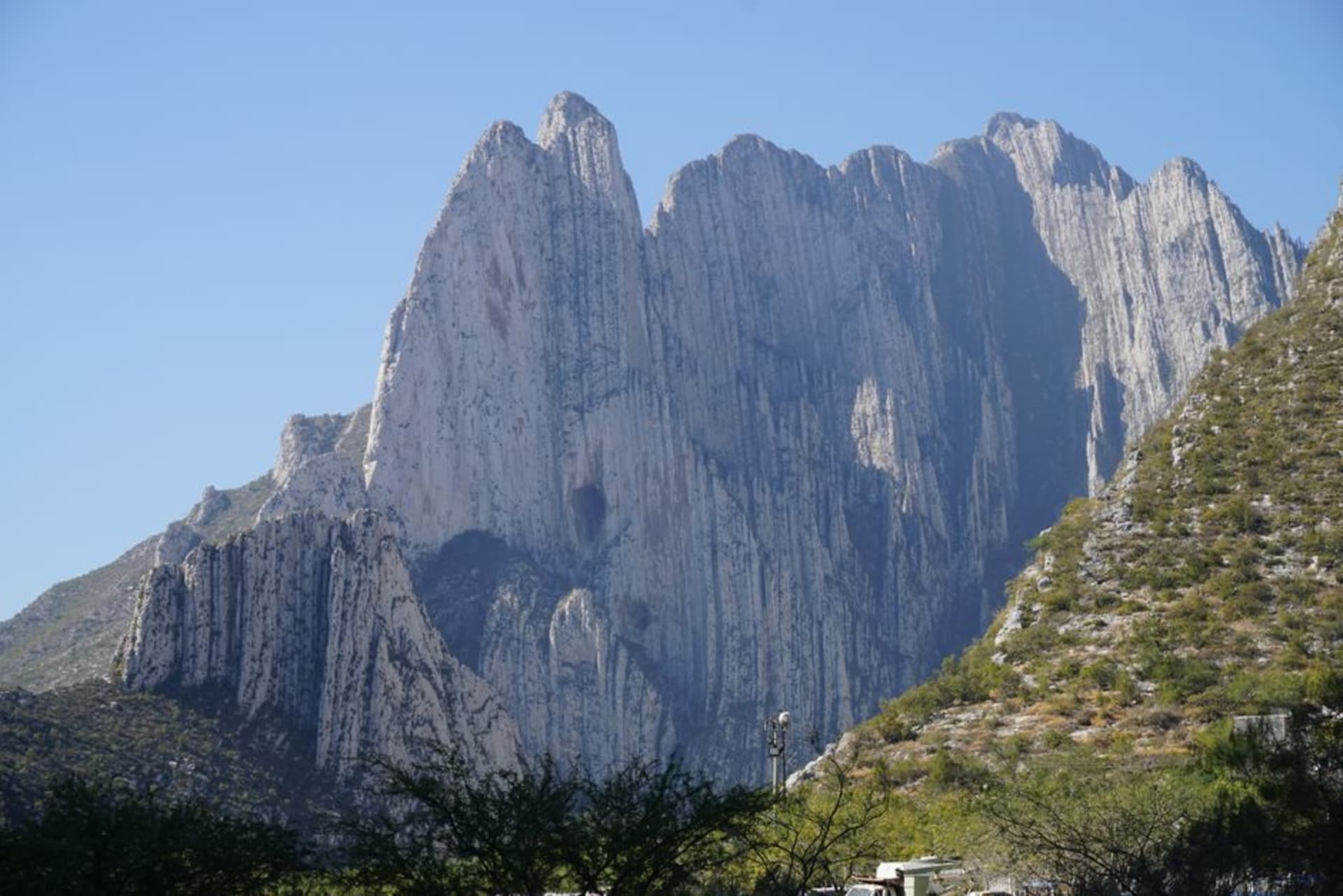
Potrero Chico
"You do not need to climb at Potrero Chico to have your sense of scale rearranged — standing at the base and looking up is more than enough."
I arrived from Monterrey on a Tuesday morning in January, which is to say I arrived when the canyon was already busy. Vans with European plates, pickup trucks stacked with ropes and gear, a group of Texans sorting quickdraws by the camp entrance. It had the organised chaos of a place that has become, through no particular tourist board intervention, simply where climbers go. I am not a climber — not in any way that would impress anyone at Potrero Chico — but I had driven an hour north from the city because someone at a mezcal bar in Oaxaca had told me the walls were unlike anything in Mexico. She was not wrong.
The Walls
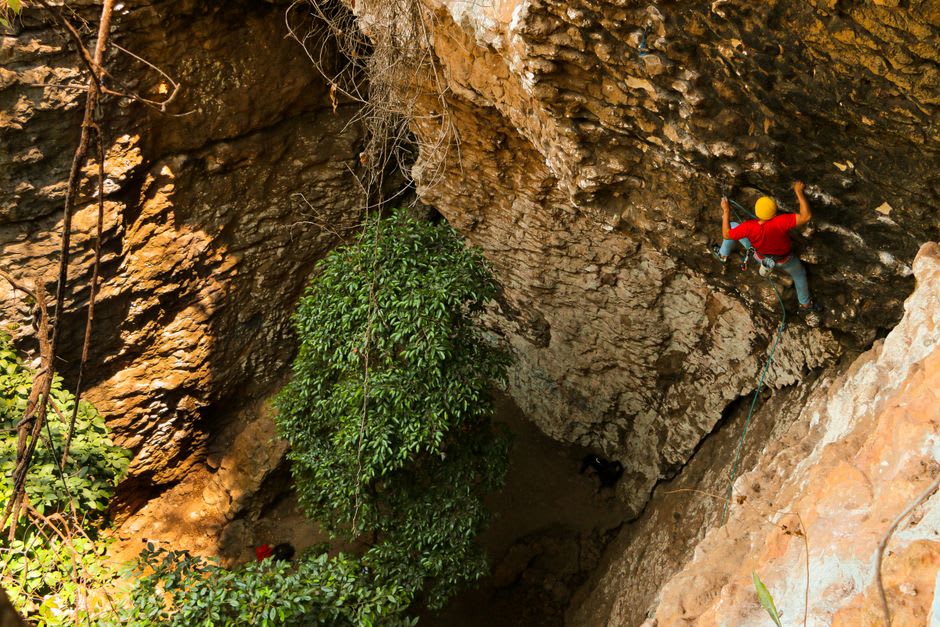
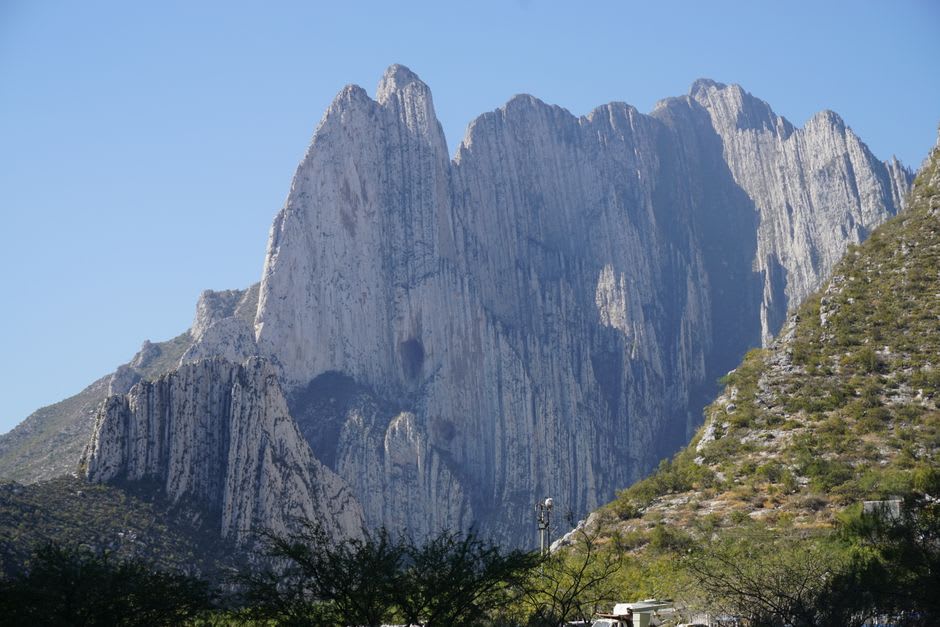
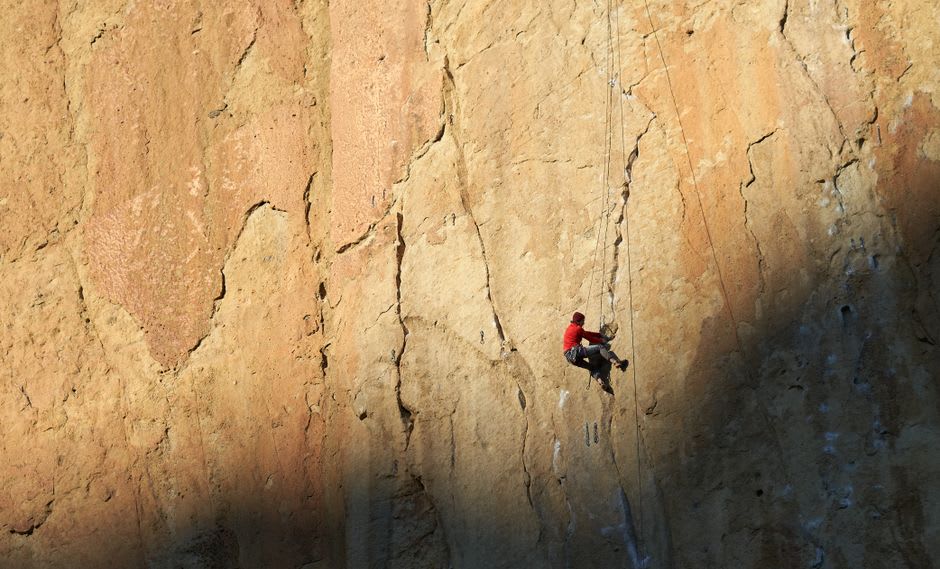
The limestone at Potrero Chico is the kind of rock that looks carved rather than formed — vertical faces, pale ochre and grey, creased with features and pockets that only make sense once you understand someone has been up there grading them. El Toro wall catches the early morning sun and you can stand at its base and watch figures move upward in a way that seems to defy the logic of friction. The routes run into the hundreds, from single-pitch sport climbs accessible to relative beginners to multi-day big wall ascents that require both technical skill and what I can only describe as a particular relationship with exposure. In the afternoon, when the shadows lengthen and the canyon cools, the walls turn amber. I sat on a flat rock near La Pequeña Piedra for the better part of an hour watching people clip bolts a hundred and fifty meters up, and I thought about how the body knows things the brain takes longer to understand. That hour felt useful.
The Town Below
Hidalgo, the municipality that gives the canyon its administrative address, sits just outside the canyon mouth — a small northern town with the unhurried quality of places that have not yet decided what to do with the attention climbers have brought them. There is a market square, a church painted the particular yellow of Nuevo León churches, and a handful of taquerias serving machacado con huevo in the mornings and cabrito on weekends. I ate both. The machacado, shredded dried beef scrambled with egg and chile, arrived with flour tortillas still slightly puffed from the comal and tasted like a reasonable argument for northern Mexican food over everything else. The cabrito required more patience and more napkins. The taqueria on the corner of the square, the one with the hand-painted sign and the plastic chairs that wobble differently, is the one I went back to twice.
What to Expect If You Are Not Climbing
There is camping inside the canyon at a few established sites — basic but functional, and the kind of place where strangers lend each other gear without being asked. If you want a bed, Hidalgo has simple guesthouses and a few places that have positioned themselves for the climbing market, with secure storage and early breakfasts. I stayed one night, which was enough to understand the rhythm: people rise before light to reach the walls before the heat, rest through midday, climb again in the late afternoon. The canyon is walkable without a rope or harness, and the walk in — past the first set of walls, along the dry streambed — is worth doing even at a non-climber’s pace.
Getting There
Potrero Chico is roughly 55 kilometers north of Monterrey — about an hour by car via Highway 85. From Monterrey’s central bus station there are local buses toward Hidalgo; from Hidalgo town the canyon entrance is a short taxi or moto-taxi ride. The best months are October through March, when daytime temperatures stay below 25°C. Summer heat makes the walls difficult and the canyon uncomfortable.