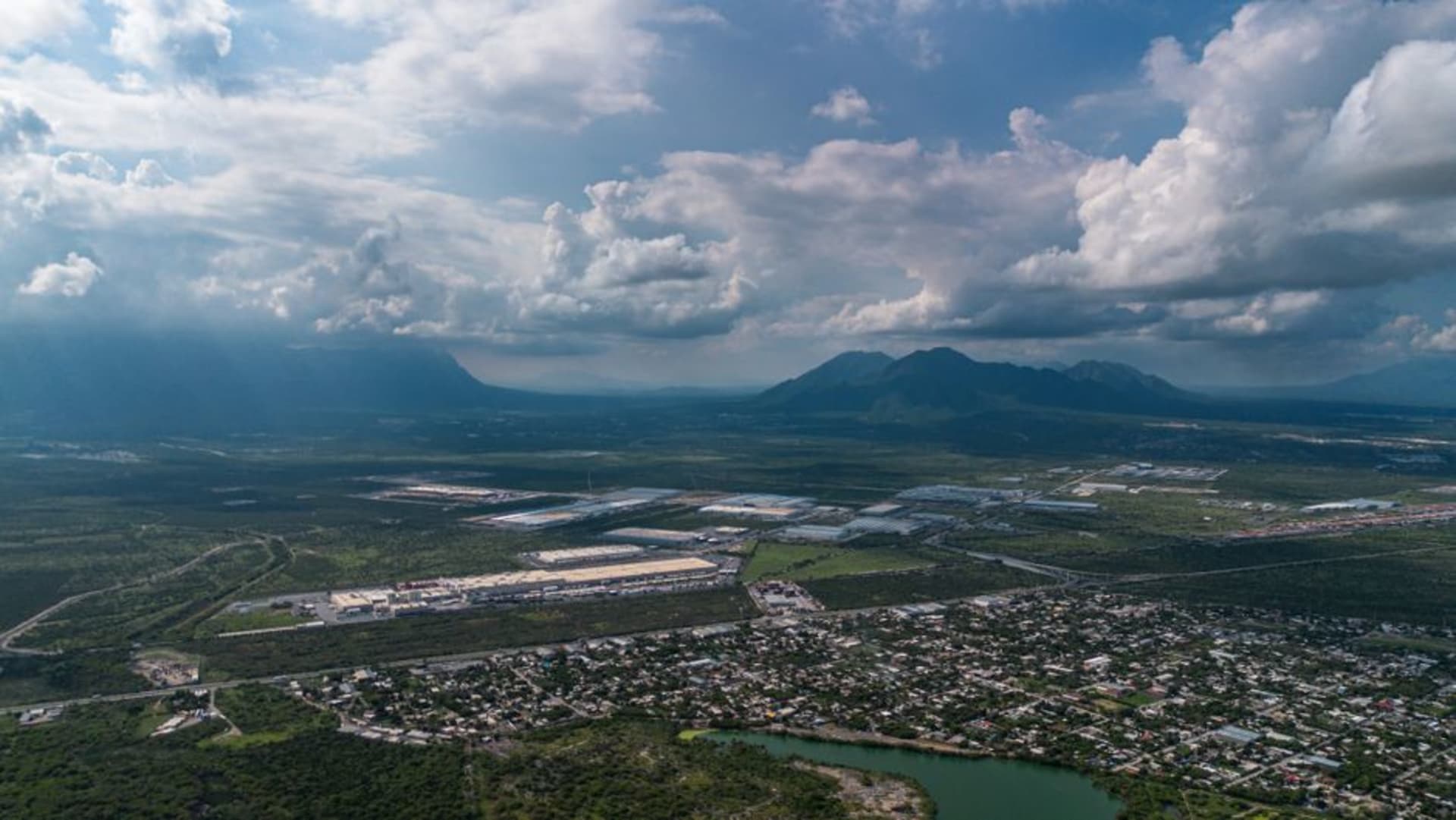
Montemorelos
"I bought a kilo of juice oranges from a woman who told me she had been selling at that same corner for forty years. The church bells rang at noon. That was the whole afternoon sorted."
The smell hits you before the bus stops — a dense, sweet citrus fog that follows you from the highway turnoff into town. Montemorelos doesn’t announce itself. There’s no welcome banner, no tourist office, no particular reason to slow down if you’re driving south toward Linares or east toward Tamaulipas. I got off at a corner with a juice cart and a long straight street pointing toward a pale yellow church, and I had no strong plan beyond that. I’d booked one night because it was on the way somewhere else. I stayed two. This is what happens in towns that aren’t trying to be discovered.
When the Groves Come to Town
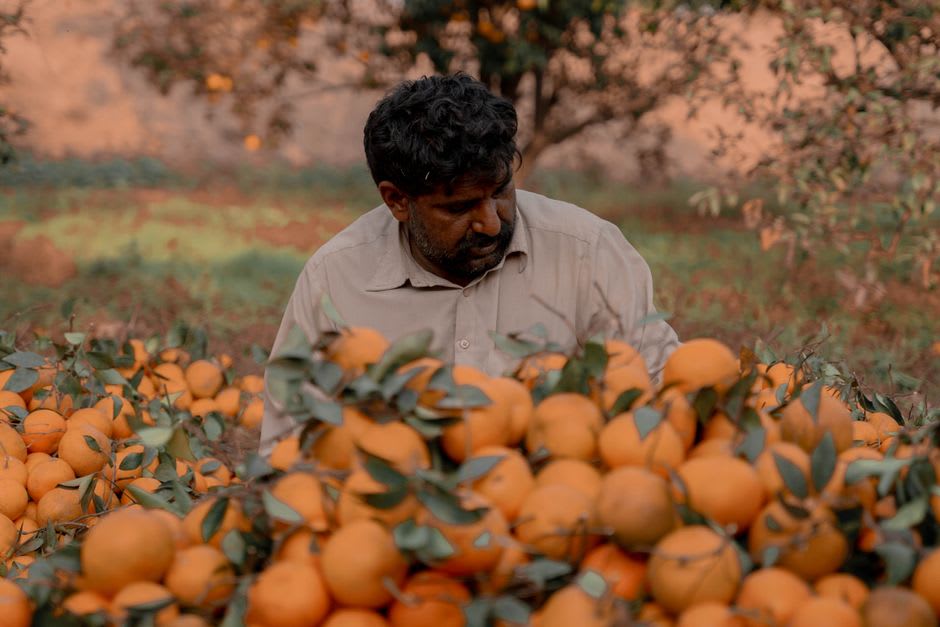
The orange groves of Montemorelos are not a backdrop — they’re the reason the town exists. This valley southeast of Monterrey produces more citrus than anywhere else in northern Mexico, and the groves don’t politely stop at the edge of the old barrio; they press right up to it, close enough that on quiet mornings you can hear irrigation sprinklers from the plaza. The agricultural wealth this generates never converted into the kind of colonial grandeur you see in Querétaro or San Miguel. It stayed local, practical, modest. What you get instead is a working town that smells extraordinary — naranja dulce in warm afternoon air, mandarina after rain, the faint rasp of grapefruit near the sorting houses on the road north.
The Mercado Municipal sits a few blocks from the main plaza and is the clearest way to understand the local economy: whole crates arranged by variety, by size, by intended use. A woman near the entrance told me she had worked that same corner for forty years. Her table held six varieties. I bought a kilo, ate most of them on the plaza steps while the noon bells rang, and rearranged my afternoon accordingly.
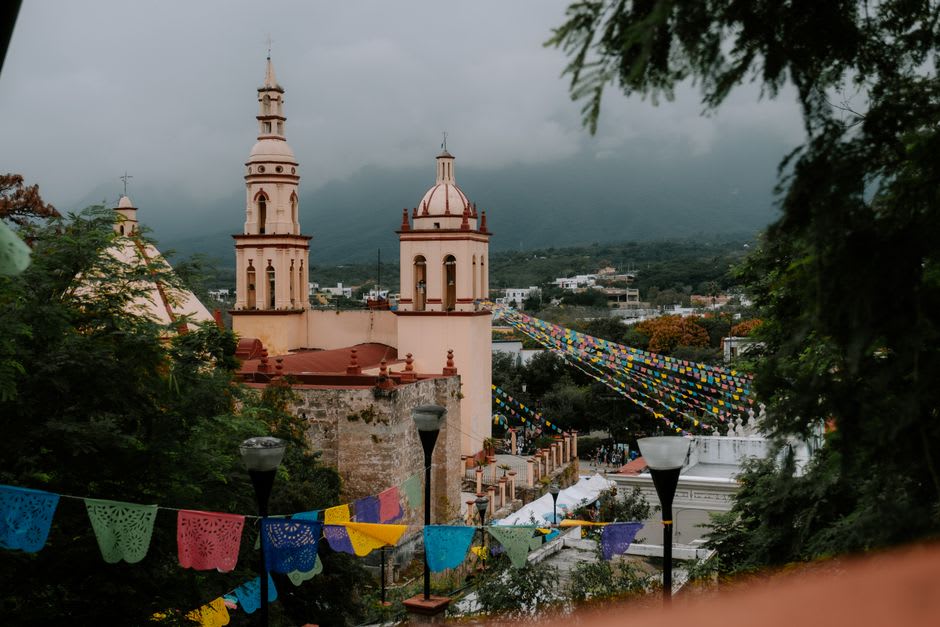
The Parish and the Sunday Market
The Templo de Nuestra Señora de Guadalupe is an 18th-century parish that has been flooded, rebuilt, and patiently maintained for over two centuries. It looks exactly like that history suggests: thick-walled, slightly worn at the edges, quietly authoritative in the way good provincial churches are. On most days the plaza in front of it moves at the pace of a warm afternoon. On Sundays the tianguis takes over.
The market wraps around the church and fills four or five adjacent streets with the full range of what a working agricultural municipality actually requires: citrus by the crate, dried chiles from the western sierra, secondhand tools, religious goods, live chickens in wire cages, evangelical pamphlets from the Adventist university on the edge of town — established in 1942, apparently the first such institution in Mexico — whose students weave through the same crowd as ranchers in boots and women in careful Sunday dress. The collision is quietly extraordinary and entirely unself-conscious.
What to Eat
Nuevo León food is meat-forward and cabrito — young roasted goat — is the dish to order. The version I had at a small restaurant on Calle Hidalgo, a few blocks from the plaza, came with flour tortillas still hot from the comal and a salsa de chile de árbol that required a moment of deliberate calm before continuing. Lunch took two hours and cost less than I expected.
For something lighter, the market has aguas frescas made from local citrus that go well beyond the standard jamaica-and-horchata rotation. Ask for naranja con tamarindo if you see it. Breakfast at any of the market comedores — machacado con huevo, huevos rancheros, café de olla — is the practical and social choice. The tables fill early and the conversation is loud and unreservedly pleasant.

Getting There
Montemorelos is 90 km southeast of Monterrey on Highway 85 — roughly an hour by car, an hour and a half by bus from Monterrey’s Central station on Omnibus de México. October through January is the best season: the orange harvest is underway and temperatures drop to something genuinely comfortable. Accommodation is minimal — one hotel on the main road, a posada or two. Best treated as a long day trip or single overnight from Monterrey.