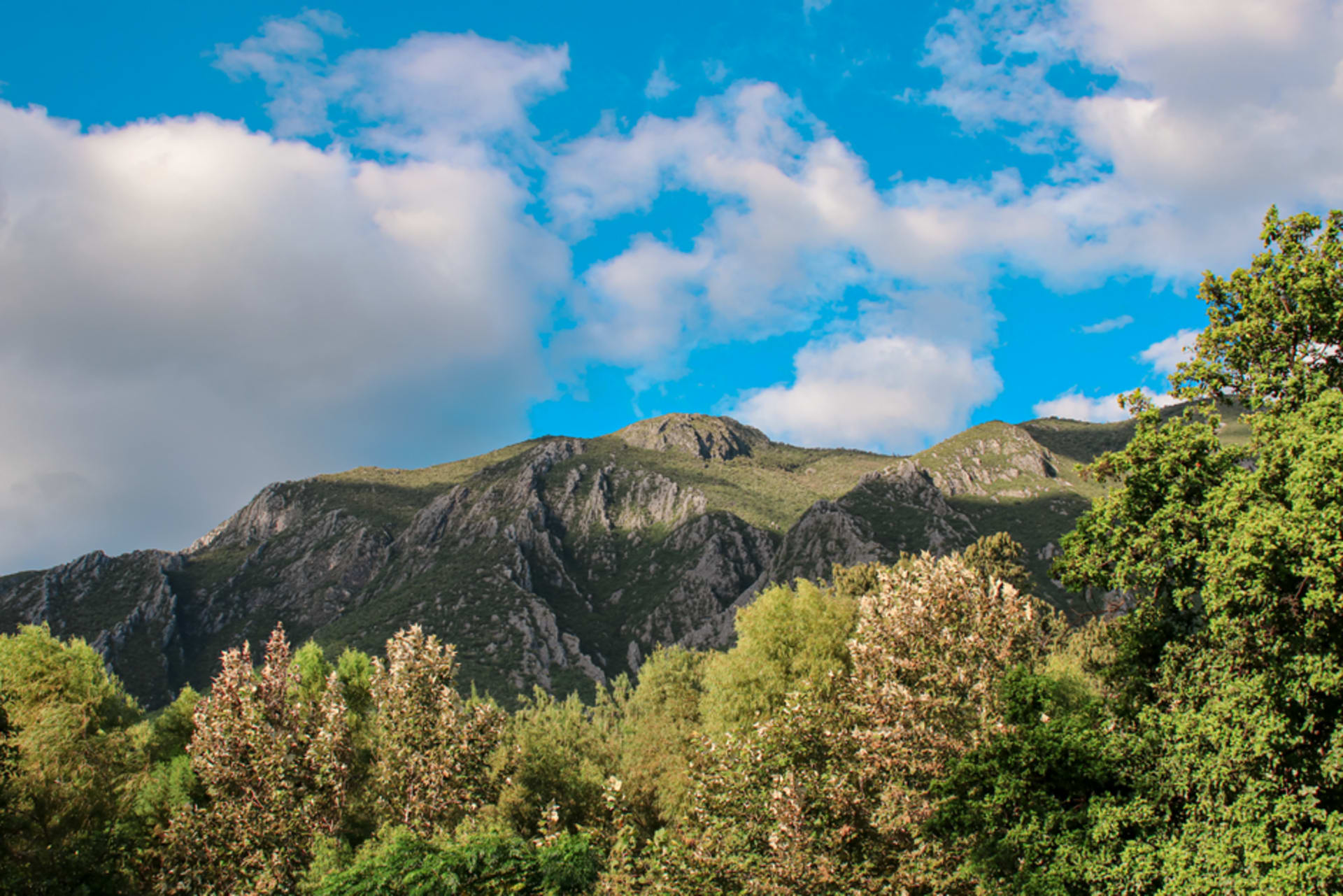
Iturbide
"Iturbide is what happens when a mining town loses the mine and has to find something honest to replace it with."
The drive south from Monterrey on the 85D stays ugly longer than you expect — toll plazas, industrial parks, the general flatness of the city’s southern sprawl. Then the Sierra Madre folds you in, the temperature drops a few degrees, and Iturbide appears in a crease of mountains like something that quietly opted out of the twentieth century. I arrived on a Thursday afternoon, which turned out to be good timing: the small tianguis on Calle Hidalgo was still half-assembled, a woman near the church steps was wrapping cheese rounds in cloth, and the only noise was a loudspeaker truck advertising something I couldn’t make out.
What the Mine Left Behind
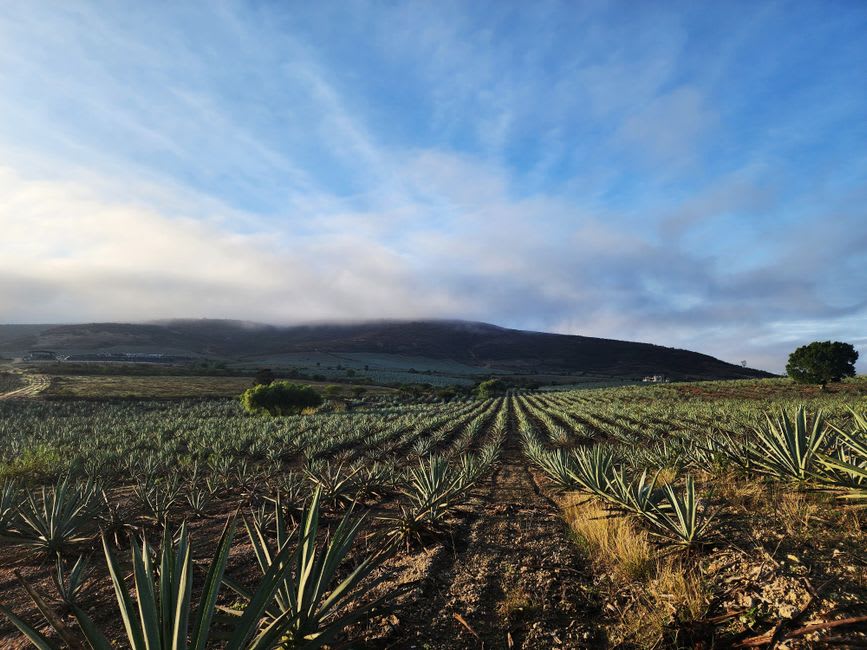
Something happened here after the silver played out. The town didn’t collapse into a ghost version of itself the way many mining communities did — it reorganized around what the landscape already offered. The magueys covering the surrounding hillsides had been there the whole time; the knowledge of how to cook and distill them predated the mines by generations. The mezcal produced in Iturbide still circulates mostly within Nuevo León — you won’t find it at Mexico City bars doing a curated tasting flight with it. A man named Don Beto, whose small production I was directed toward by a woman selling tlayudas near the jardín, pours from unlabeled bottles and charges what the thing is actually worth. The flavor is earthy and clean, with a faint smokiness that doesn’t announce itself the way some Oaxacan expressions do. It tastes like the sierra it came from, which is the point.
The Cheese Counter
Iturbide’s aged goat cheese — queso de cabra añejo — is the other thing the town does quietly and well. The rounds age for months, developing a dry, crumbly texture and a sharpness that sits somewhere between manchego and a strong pecorino. I bought a wedge from a vendor near the municipal market on my second morning and ate most of it standing at a corner, with a bolillo from the panadería across the street. The right way to eat it here, I was told, is sliced thin with membrillo or raw honey, or simply on its own after a pour of mezcal. The goats graze on sierra scrub, and the cheese tastes like it — not in a bad way, but in the way that food occasionally still manages to taste like its actual origin rather than a facility somewhere.
The Plaza Does Its Job
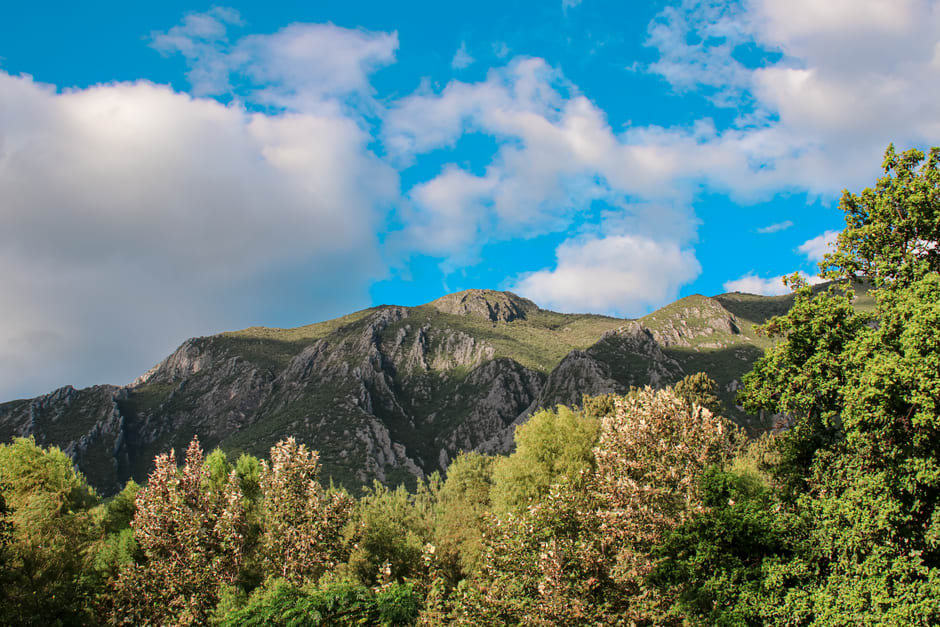
The jardín principal is genuinely pretty in the everyday sense — not restored-for-photography pretty, but the kind where the kiosk paint is slightly peeling and the same men occupy the same benches at the same hour every afternoon. The parish church of San Francisco de Asís faces the square with the mild authority of colonial architecture in small Mexican towns: solid, cream-colored, there. I spent an evening with a coffee from the small fondita on the north side of the plaza, watching the light change on the peaks above the roofline. For those who want to move, there are trails into the sierra that locals use on Sunday mornings — nothing technical, but the views down into the valley once you’ve climbed a few hundred meters justify the dust on your boots.
Getting There
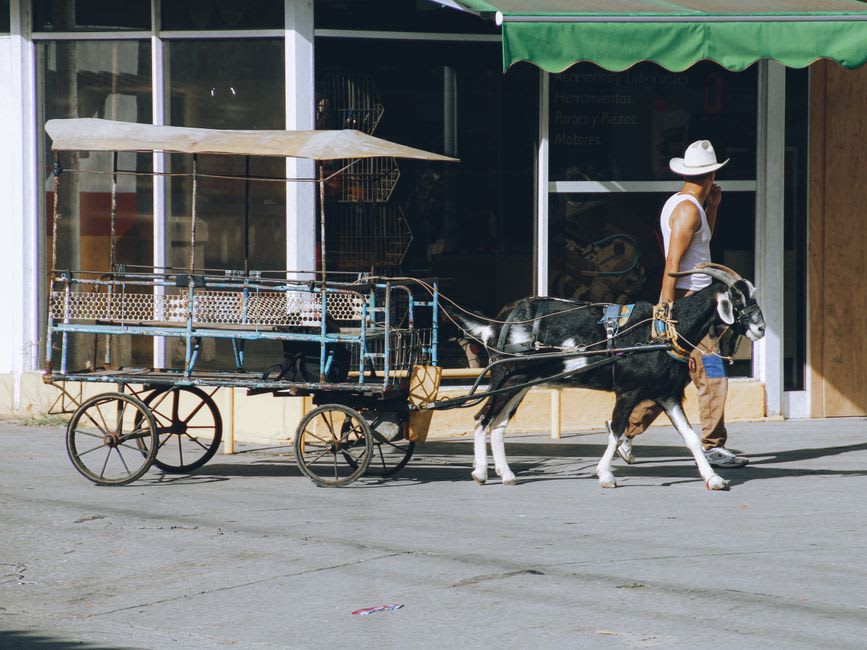
Iturbide sits two hours south of Monterrey along federal highway 85. There is no direct long-distance bus — the easiest approach is a bus to Linares followed by a taxi or colectivo, or a rental car from Monterrey. The town has a handful of small posadas for overnight stays, which I would recommend: the morning light on the plaza is better than the afternoon version, and the mezcal situation is not improved by driving back the same night.