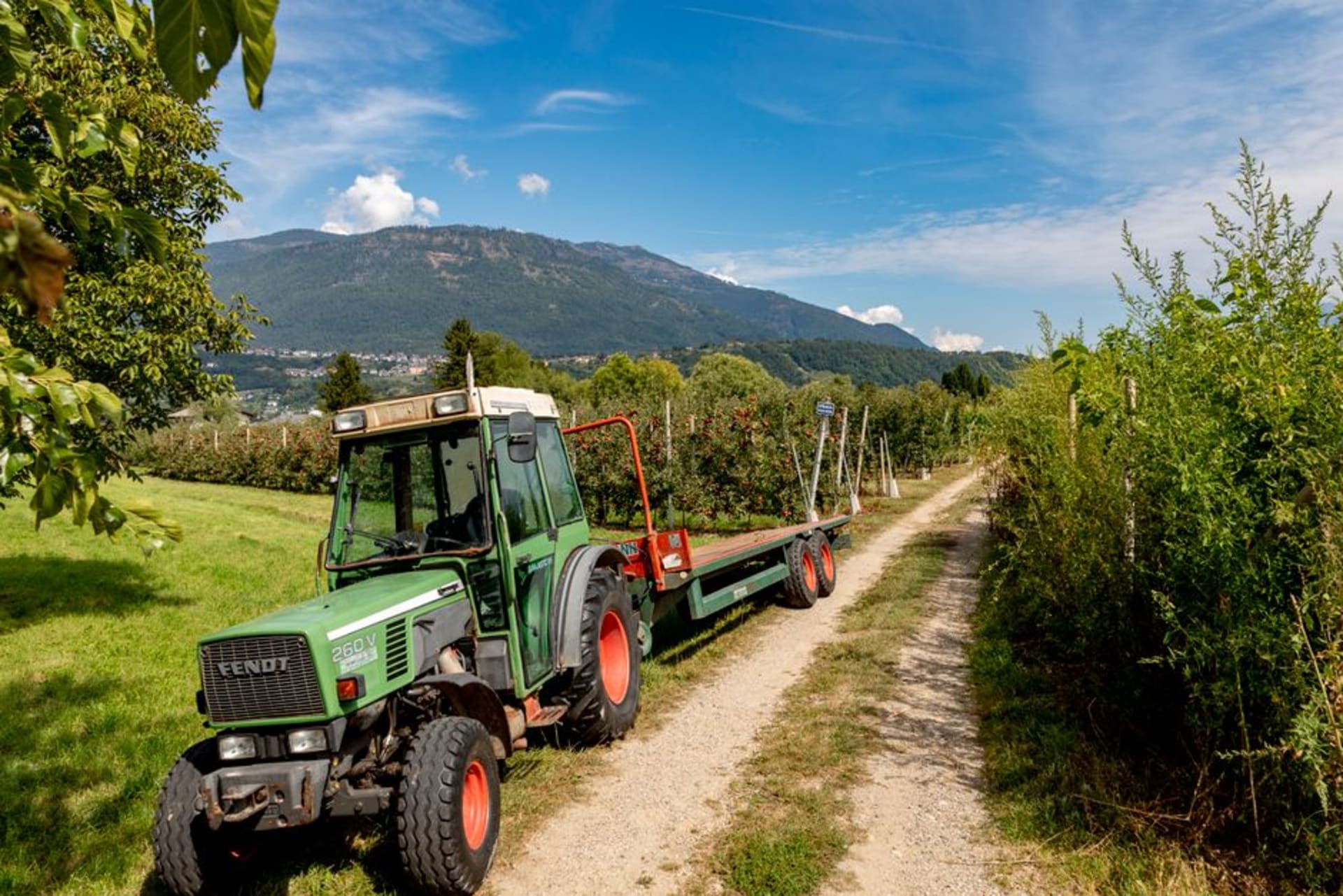
Aramberri
"Aramberri in apple blossom season is the kind of pastoral scene I did not expect to find in northern Mexico, and that gap between expectation and reality is exactly why I keep traveling."
I drove south from Monterrey in early March, the highway eventually giving way to a road that climbed and wound through the sierra with genuine commitment. The orchards appeared before the town did — long rows of apple and peach trees in full blossom, the valleys washed in that particular pink I normally associate with Normandy or the hills of Emilia-Romagna, not with a state whose northern half is desert. I pulled over twice before I even reached Aramberri. The second time, a farmer crossed the road to ask, not unkindly, whether I was lost.
The Season That Changes the Calculation
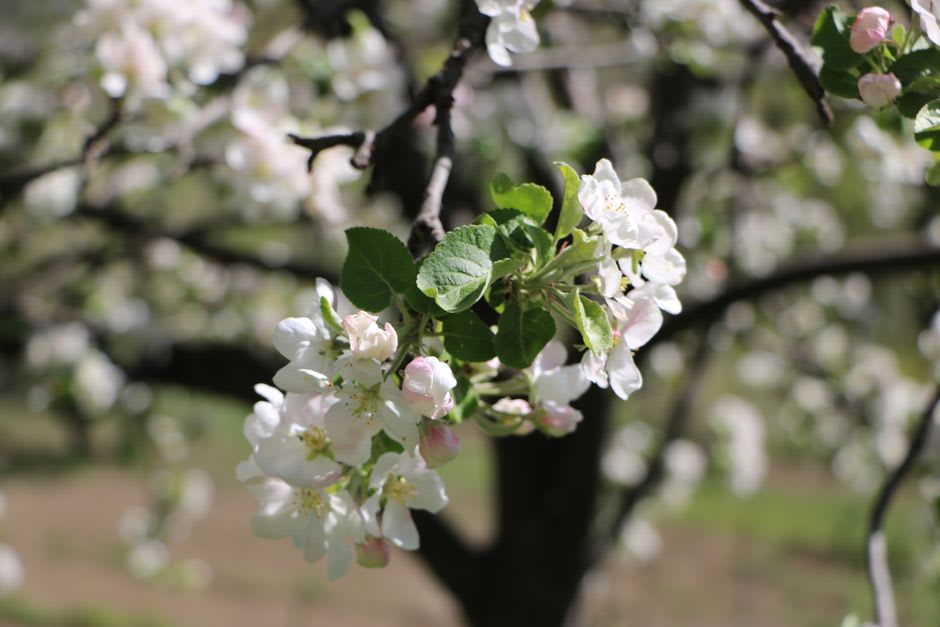
The orchards around Aramberri are planted on valley floors and lower slopes where cold air pools in winter — a climate that surprised me in a region I had associated with heat and scrub. Apple and peach varieties came with colonists from central Mexico and found the altitude agreeable; the town has been harvesting them ever since. In March, before the leaves fully arrive, the blossoms are the whole point. I walked the road between two orchards in the late afternoon and had the particular experience of being in a landscape that is doing something extraordinary while remaining entirely indifferent to your reaction. The light came through the petals sideways. A dog followed me for twenty minutes and then didn’t.
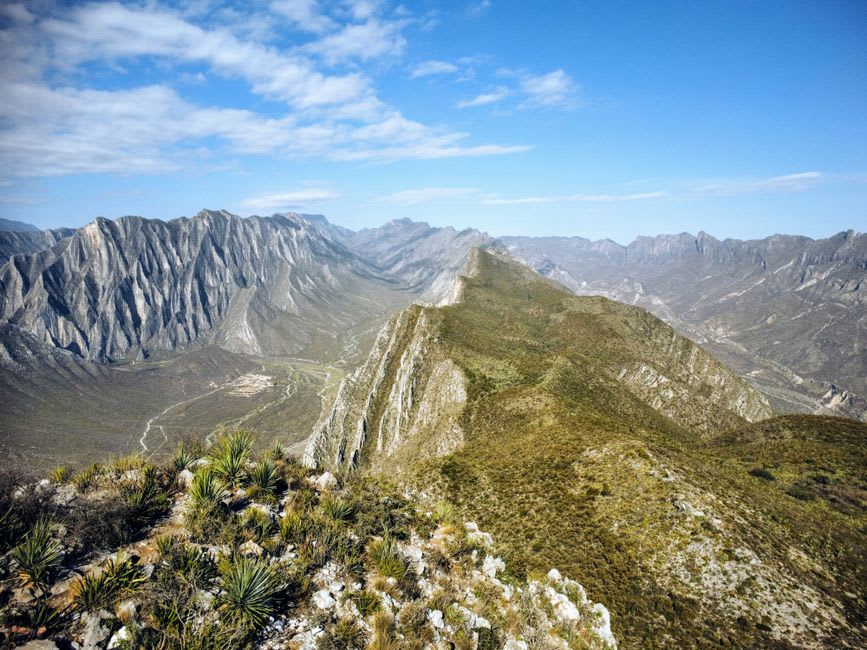
Further south, the land breaks open into canyon terrain — dramatic drop-offs, red rock faces, trails that require no special equipment but reward reasonable attention to where you are placing your feet. The combination of soft orchard valleys and hard canyon edges in the space of a few kilometers is what I would have told people about, had anyone asked me at the time.
What the Town Offers Without Being Asked
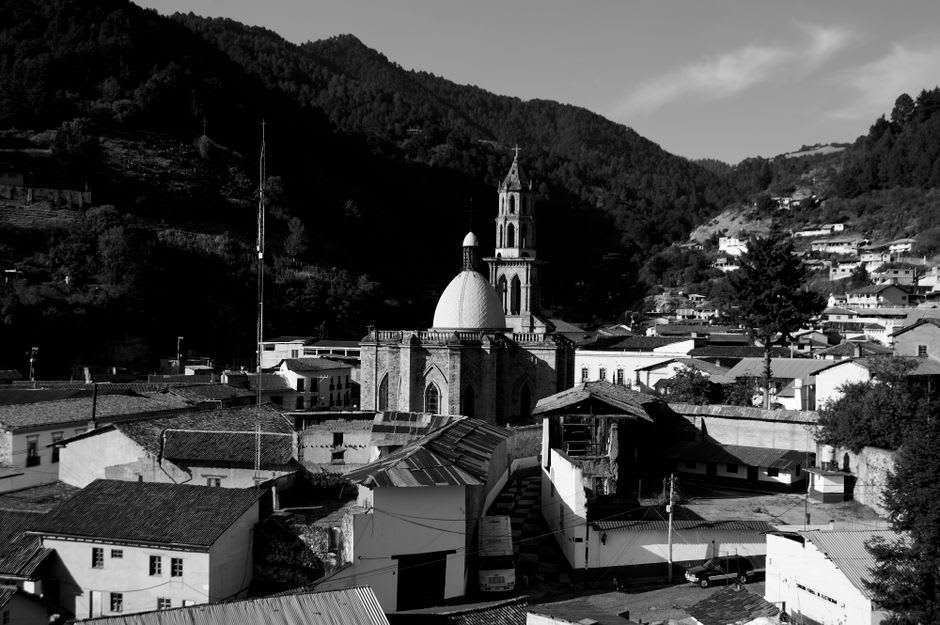
The plaza in Aramberri has the unhurried quality of a place that does not receive many visitors and has therefore arranged itself for the people who actually live there. I had lunch at a comedor on the north side where a woman was serving birria de res on a Tuesday and seemed mildly amused that I wanted a second bowl. The tortillas were flour, thick and slightly charred from the comal, the kind you fold twice rather than roll. In the afternoons an older man sets up near the kiosk selling cut fruit with chile piquín from a cart that has no sign and needs none.
I found a small shop two streets off the plaza selling locally produced apple jam and a clear apple brandy — closer to calvados than to anything commercial — that the owner poured into recycled glass bottles and labeled by hand. I bought two jars of jam and a bottle of the brandy and felt briefly like a person who brings thoughtful things home from trips, which is not usually how I travel.
Canyon Terrain
The canyon country south of Aramberri was what had drawn me there initially — a passing reference in a road atlas with no further elaboration, which I have learned to treat as a good sign. I spent an afternoon on a trail that a local farmer described using a sequence of landmarks tied entirely to features of his own property, which should not have worked as navigation but did. The views at the rim were worth the interpretive effort: the canyon drops cleanly, the far walls are the color of dried chile ancho, and there is a silence there that does not feel managed. I had the distinct sensation of being the only person who had thought to come that day. I may well have been right.
Getting There
From Monterrey, allow three to three and a half hours south on Mexico 85 through Linares and Galeana, then state roads into the sierra. A car is essential — I found no regular bus service. The mountain sections of road demand attention but are not technical. I went in early March for the blossoms; apple harvest in September and October would be equally worthwhile. Fill the tank in Galeana rather than counting on Aramberri.