San Blas
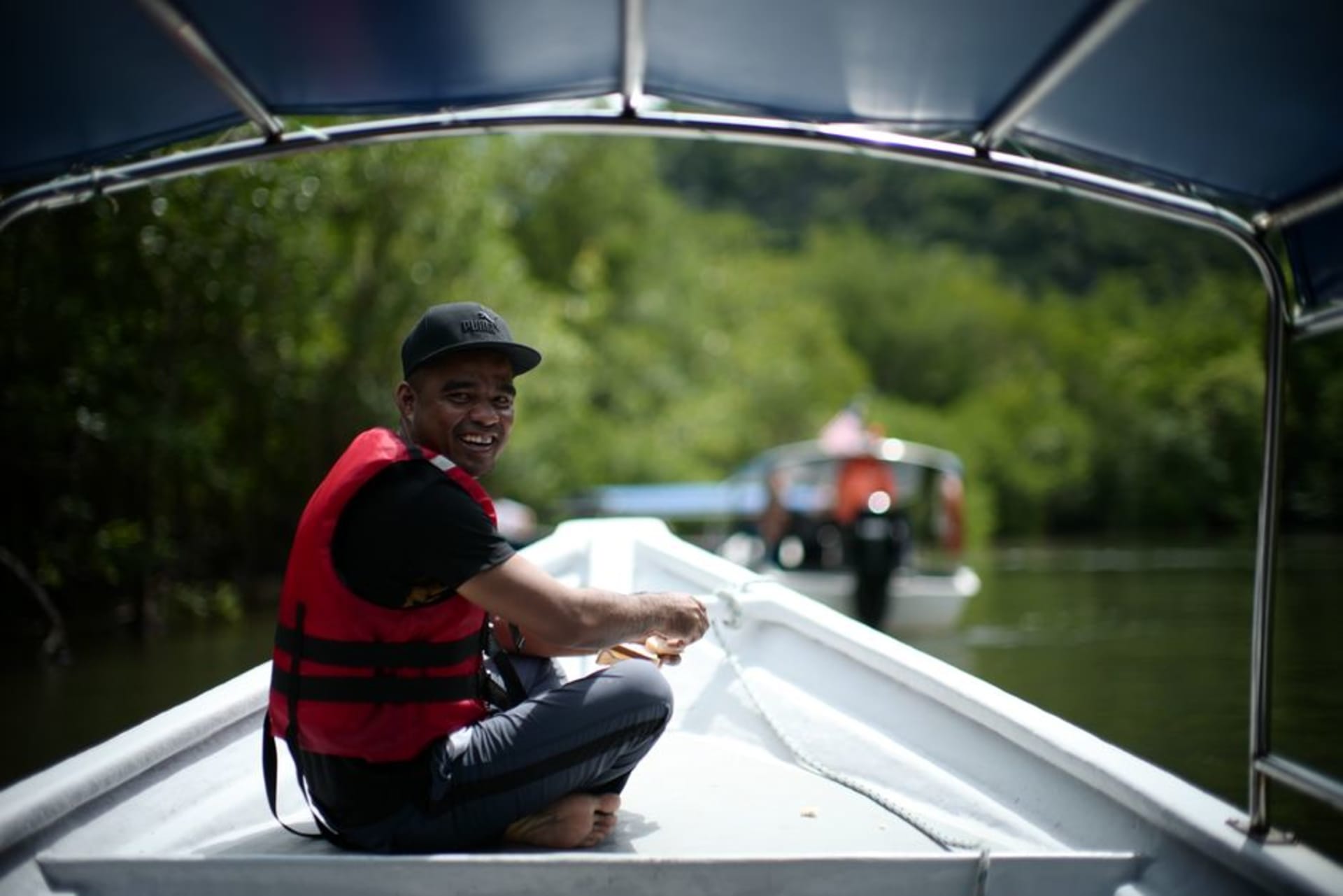
"The estuary tour disappears into the mangroves within minutes and you feel immediately very far from anywhere."
I got off the bus from Tepic at around nine in the morning and the heat was already settled in, that particular coastal heaviness that makes you slow down before you have decided to. The main plaza was quiet — a woman hosing down the tiles in front of the church, a few dogs repositioning in the shade. I found coffee at a small comedor on Calle Juárez, ate eggs with salsa verde, and noticed that no one seemed to be in a hurry about anything at all. That, I would come to understand, is San Blas working as intended.
Into the Mangroves
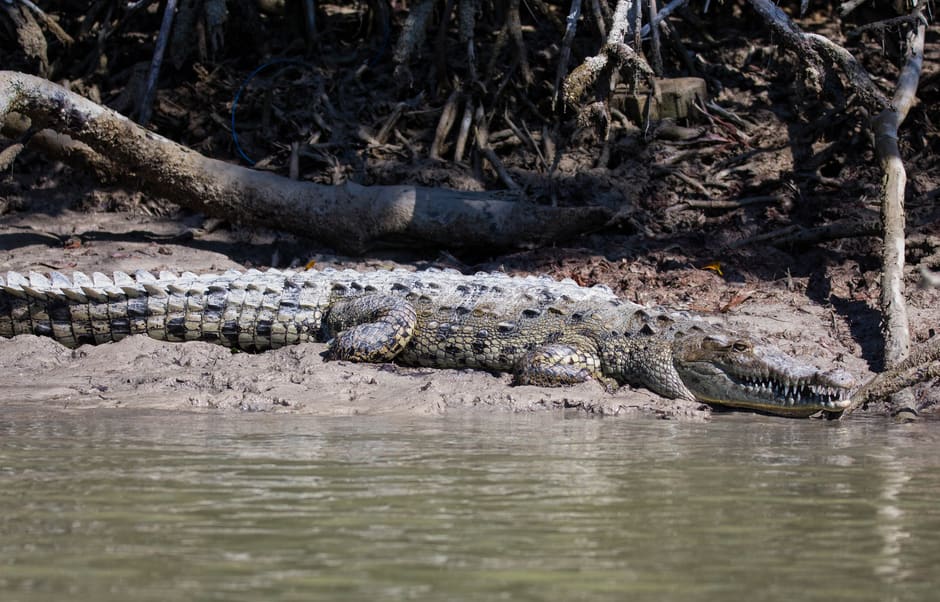
The estuary tours leave from La Tovara, a short moto-taxi ride from the plaza. The boats are narrow wooden lanchas, and within the first ten minutes you have left the open water and entered a tunnel of mangrove roots so dense the sky becomes a suggestion. The guides cut the engine periodically and you drift in actual silence — broken only by herons lifting off the banks, or the sound of something large adjusting its position in the shallows. Ornithologists come specifically to San Blas from across North America; over three hundred species have been recorded in the estuary system, and even without a field guide you will see things you have no name for. The tour runs to a freshwater spring called La Tovara itself, where you can swim in cold, clear water surrounded by mangrove walls. I went twice. The second time I spotted what the guide casually identified as a boa on a branch above the waterline, looped over itself like a misplaced rope. I did not swim that day.
La Contaduría and the Fort
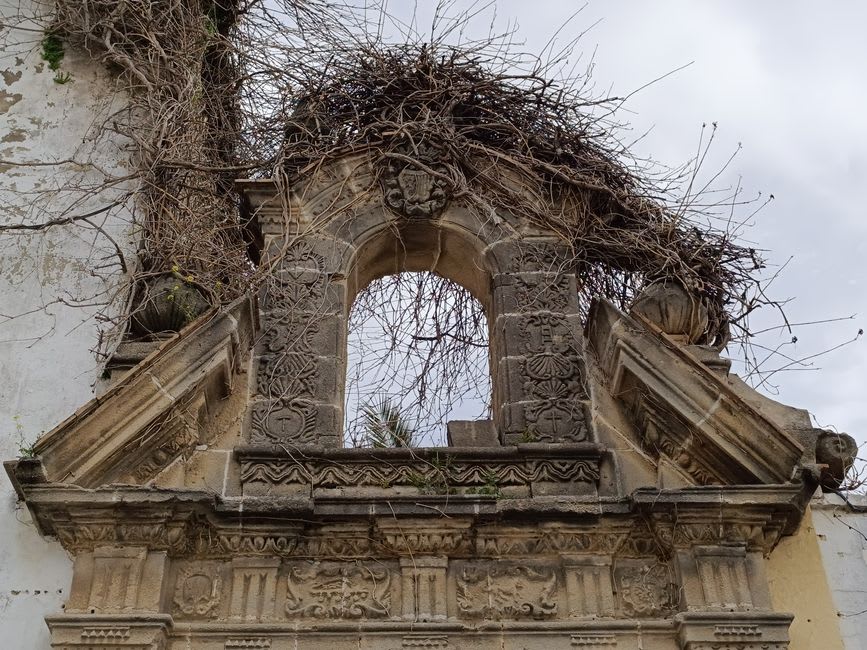
The 18th-century customs house and fort sit on a hill above town, accessible by a steep road through vegetation that feels like it is actively reclaiming the ruins. La Contaduría is what remains of San Blas at the height of its imperial importance — a port that once outfitted expeditions to Alta California, that sent ships to Manila. Now the stone archways frame views over the jungle canopy and out to the Pacific, and in the late afternoon the light turns the whole estuary copper. I arrived at five o’clock on my second day, sat on a crumbling wall with a warm beer from a cooler someone had set up near the entrance, and watched the sun drop into the water. The ruins do not need interpretation. They are simply beautiful in the way that abandoned serious things tend to be.
The Town Itself
San Blas proper is small enough to cross in twenty minutes on foot. The market on Calle Mercado sells smoked fish, dried shrimp paste, and coconuts in quantities that suggest the town feeds itself rather than performing for visitors. There are a handful of restaurants around the plaza; I ate well at El Cocodrilo — the caldo de mariscos was honest and very large — and badly at a place with a laminated tourist menu that I won’t name. Evenings on the plaza are genuinely local in feel: families, teenagers on bikes, the occasional musician who is not playing for tips.
Getting There
San Blas is roughly an hour by bus or colectivo from Tepic, which connects to Guadalajara by frequent ADO and ETN departures (about two and a half hours). There is no direct bus from Puerto Vallarta, but a shared van to Tepic and a connection from there works fine and takes around three hours total.