Acaponeta
"Walking into Acaponeta on a quiet Tuesday morning felt like finding a room in the house that nobody had opened in years — completely intact, slightly dusty, deeply alive."
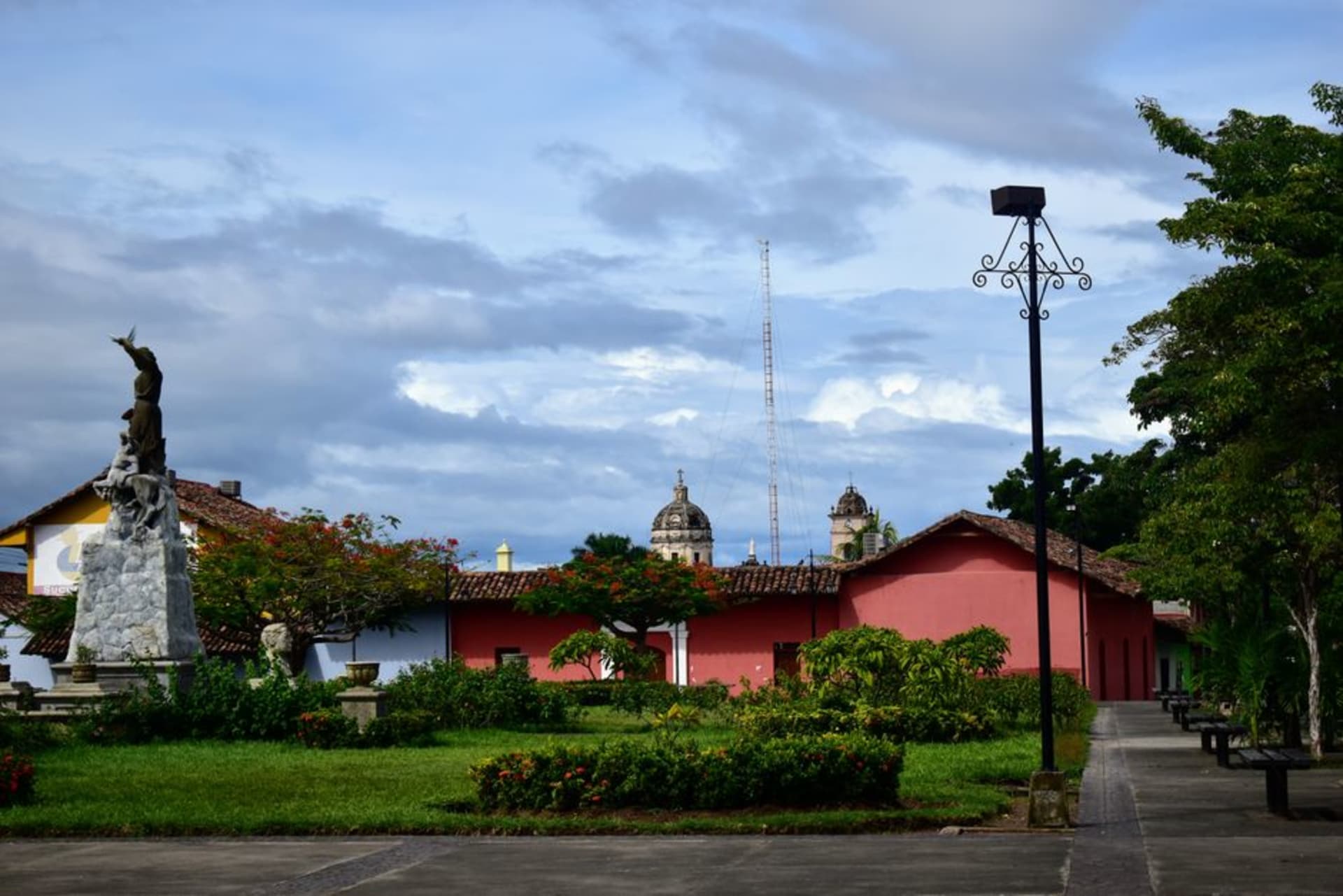
I came through on a Wednesday, heading north from Tepic toward the Sinaloa border, and almost didn’t stop. What made me pull over was nothing dramatic — a church tower catching the afternoon light, a particular quality of stillness that I’ve learned to trust. Acaponeta was founded in 1583, which makes it older than a lot of places carrying more obvious prestige. The center is compact enough to walk in twenty minutes, but the walk keeps stopping you. There are doorways here that haven’t changed their ironwork in a century, and the plaza sits under laurel trees large enough to block out the sky.
The Cathedral and Its Neighborhood
The Parroquia de la Purísima Concepción takes up the east side of the Plaza Principal with the unhurried authority of a building that knows it is the center of things. It’s not the most elaborate colonial church in Mexico — the interiors are relatively plain, the Baroque facade worn down to something softer by humidity and time — but there’s a weight to it that more photogenic churches sometimes lack. On a weekday morning, the nave holds maybe a dozen people: some genuinely praying, one man asleep in the back pew with total commitment.
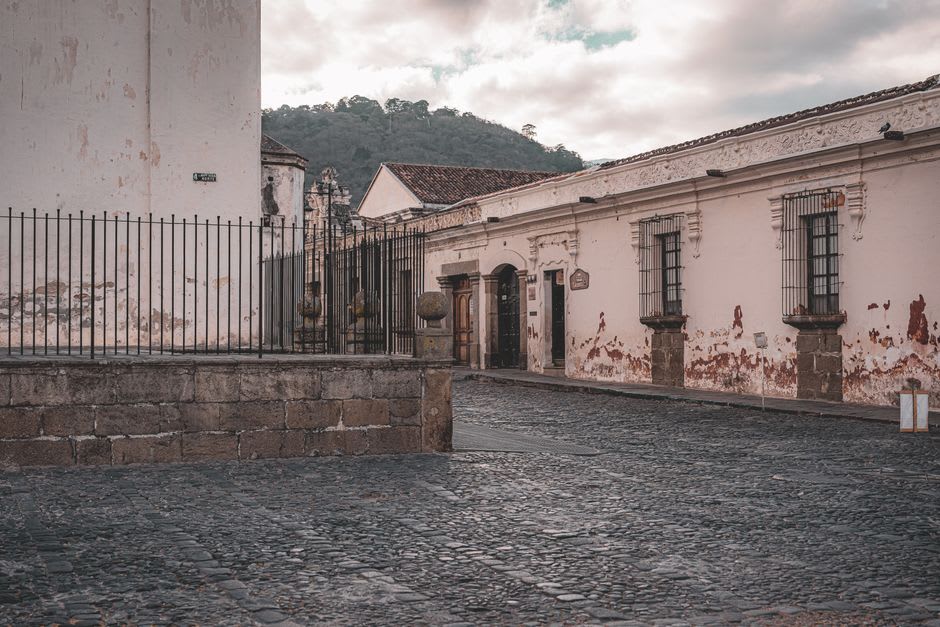
What surrounds the plaza rewards a slow circuit. Along Calle Hidalgo, the old commercial buildings keep their arcaded ground floors — portales — where vendors set up informal stalls selling plastic combs and fresh tamales in roughly equal measure. The streets radiating off the square, particularly Calle Morelos heading south, have that colonial geometry where sidewalks barely fit two people abreast and every building presents a slightly different shade of faded paint. Nobody has tried to fix this up. That is the correct decision.
Sugarcane Country
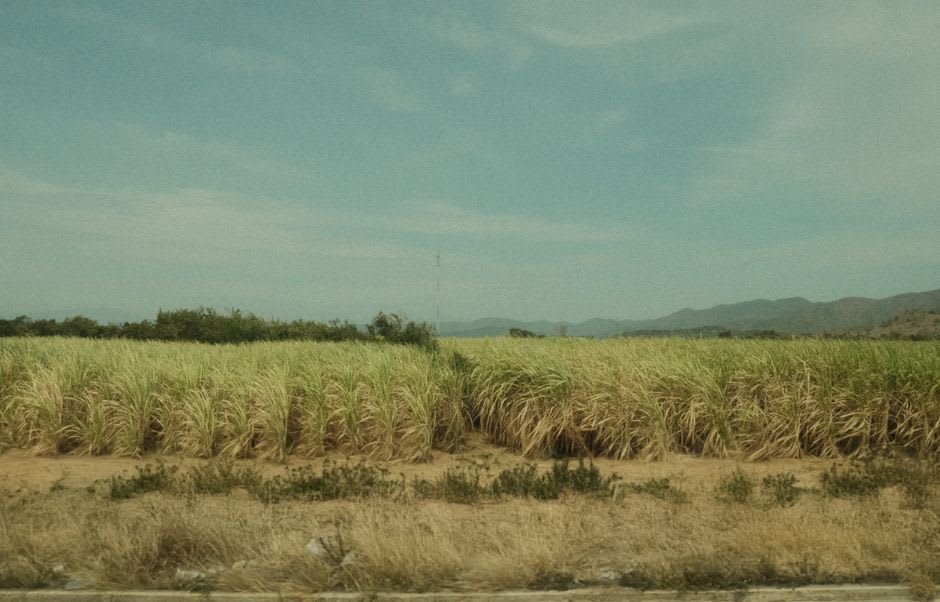
The landscape around Acaponeta is cañaveral — sugarcane fields and tobacco farms — which gives the local food a different base than the coastal Nayarit you might know from San Blas or Sayulita. At the Mercado Municipal, a block off the plaza on Calle Juárez, the morning stalls serve pozole blanco before nine, alongside gorditas de maíz filled with frijoles de olla that have been cooking since before anyone arrived. Near the entrance, a woman runs agua de caña through a hand-cranked press. Four pesos for a cup of something that tastes like actual sugarcane, not the industrial version.
I sat at a folding table and ate birria de res — not the Guadalajara kind served with broth for dipping, but a drier, more herb-forward version that seems particular to this part of Nayarit. The woman running the stall said her grandmother had cooked here before her. The stall looked like it. I stayed for a second portion.
How to Use the Time You Have
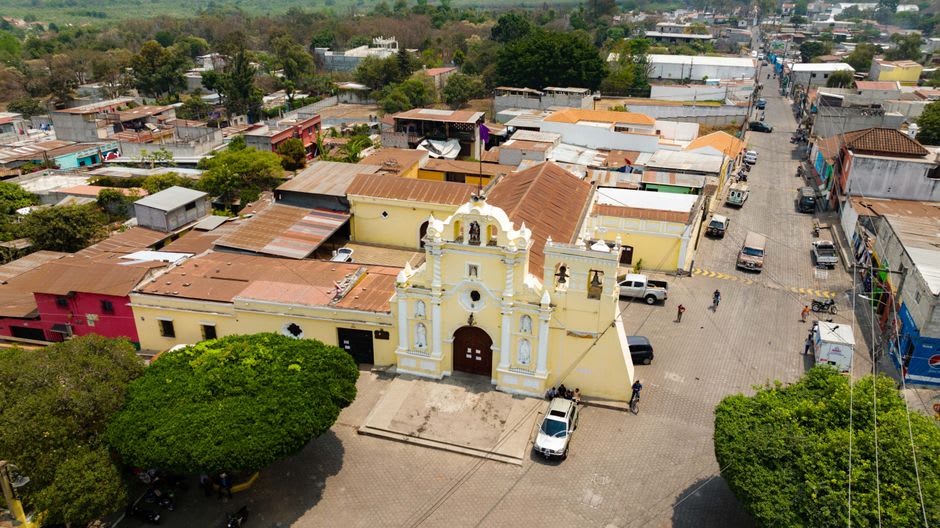
Acaponeta has modest hospedajes near the bus terminal — functional, not charming. The better strategy is to arrive in the morning, spend the afternoon in the plaza and market, and stay long enough for the evening paseo around seven when the square fills in a way that feels genuinely unrehearsed: children on bikes, older couples on benches, the cathedral lit from below. If you stay overnight, the town before the heat arrives the following morning is a different place — cooler, quieter, the street vendors setting up with an unhurried rhythm that makes you want to drink coffee slowly and miss your bus.
Getting There
Acaponeta sits on Federal Highway 15, the main corridor between Mazatlán and Tepic, which makes it logistically simple even if it never appears in itineraries. ADO and TAP buses stop here regularly. From Tepic, the journey runs about two hours; from Mazatlán, closer to three. There is no airport. The nearest coastal access — Playa Novillero — is roughly 30 kilometers west along a flat road through the cane fields.