Zinapécuaro
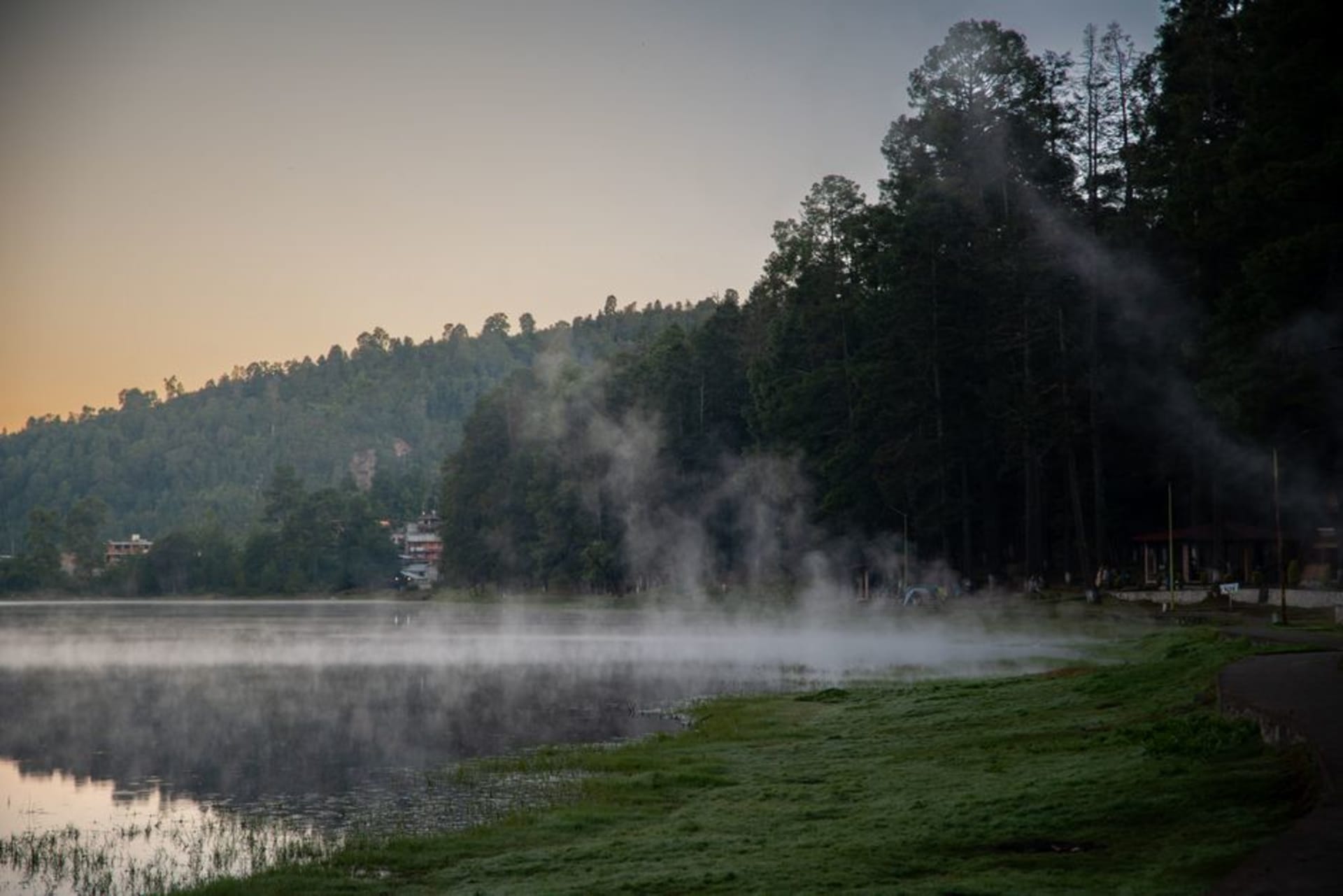
"Steam rises off the water at dawn and the potters open their doors. The whole town smells of wet clay and warm minerals."
I came to Zinapécuaro for the pottery and stayed for the water. That’s the short version. The longer version is that I’d been driving the back roads of eastern Michoacán, the ones that thread between Morelia and the Los Azufres geothermal field, and I’d read somewhere that this town had been making pots since before the Spanish arrived. I expected a workshop or two. What I found instead was a whole town that smelled faintly of wet clay and warm minerals, where the ground itself runs hot underneath and the potters’ hands and the bathers’ shoulders are working the same two elements — earth and water — in different ways.
The Warm Water
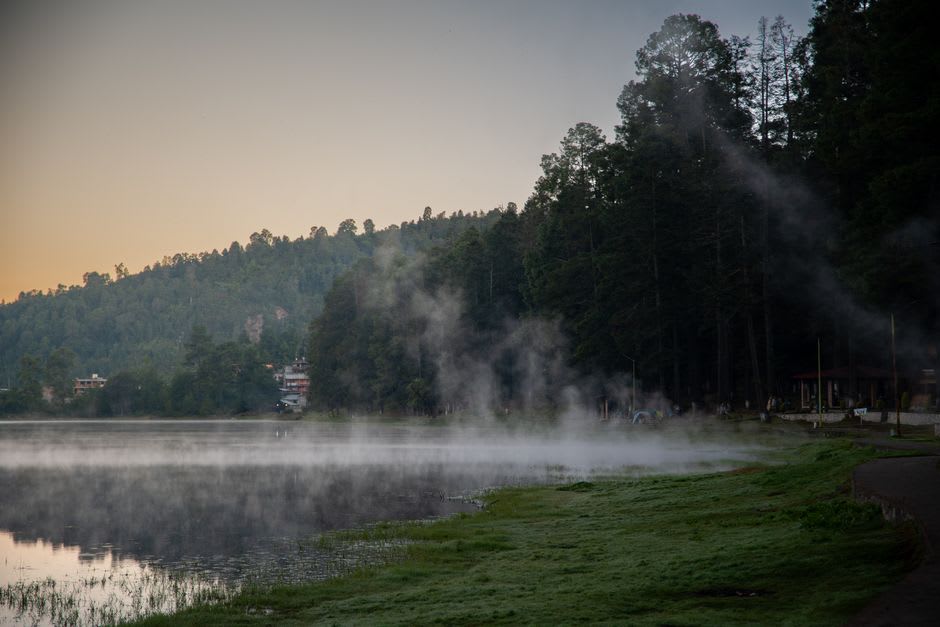
Zinapécuaro sits at the edge of the Los Azufres volcanic field, and that means the ground here is generous with heat. Warm springs rise near the town, and the local balnearios draw families from all over the region on weekends. I went early one morning to one of the pools, when the air was cold and the water was steaming, and had it almost to myself except for two old men who clearly came every day and had opinions about everything.
The water comes out of the earth warm and slightly mineral, and there’s a particular pleasure in sinking into it while your breath fogs in the cold morning air. This is high country — the volcanic hills all around are dark with pine — and the contrast of warm water and cool mountain air is the whole sensory signature of the place. I understood, sitting there, why people have been coming to this exact spot for a very long time.
Clay in the Blood
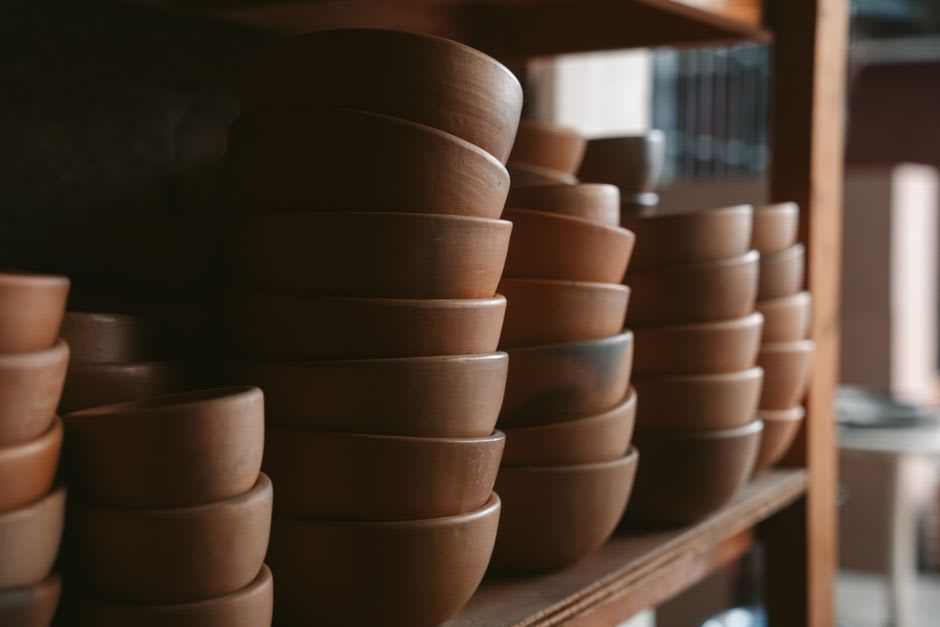
The pottery is what put Zinapécuaro on the old maps. This has been a clay town for centuries, and the tradition never fully died the way it has in so many places. Walk the side streets and you’ll find workshops where families turn the local red clay into cooking pots, cazuelas, and glazed pieces, the kilns out back still fired the traditional way. I spent a good hour in one workshop watching a man throw pots with a speed that made it look effortless, the wet clay rising up under his hands.
He talked while he worked — about how the clay here is good, about how his father and grandfather had done the same thing in the same courtyard, about how fewer young people want to learn it now. There was no self-pity in it, just a matter-of-fact accounting of a craft holding on. I bought a small glazed bowl, imperfect and heavy and exactly the right weight in the hand, and it’s still on my shelf.
The Town and the Hills
Zinapécuaro itself is an unhurried colonial town — a plaza, an old church, arcades where the light falls in the late afternoon and the men gather to talk. It doesn’t try hard to charm you, which is precisely why it does. There’s a good market, carnitas in the Michoacán style, and the ordinary rhythm of a provincial town that lives on farming, pottery, and the warm water.
But the hills are the real backdrop. Behind the town the land climbs toward Los Azufres, a landscape of pine forest, fumaroles, and steaming lakes where the earth’s heat comes right to the surface. If you have a car, the drive up into that country is worth a full day — dark forests, the smell of sulphur and resin, and the strange sight of steam venting from the ground among the trees. It’s a reminder that the warm water back in town isn’t a coincidence. The whole region sits on a slow fire.
Getting There
Zinapécuaro is in eastern Michoacán, about 50 minutes to an hour by car from Morelia heading east toward the Los Azufres field and the Guanajuato border. Frequent buses run from Morelia’s terminal to Zinapécuaro through the day, and it’s an easy connection if you’re moving between Morelia and Maravatío or the monarch-butterfly country further east. A car is a real advantage here, though — the warm springs, the pottery workshops, and the geothermal hills of Los Azufres are all spread out, and half the pleasure is the drive between them through the pine-covered volcanic country.